


A recent study by Sport NZ shows that by the age of 17, there is a 28 per cent gap between male and female participation in sport and recreation in New Zealand.
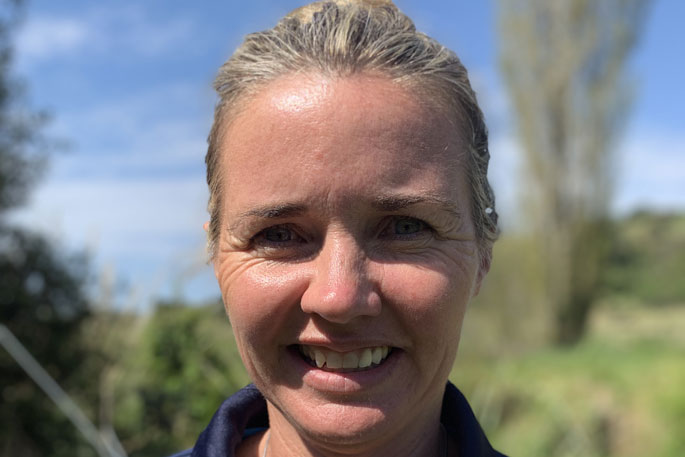
Sport Bay of Plenty CEO Heidi Lichtwark share some insights below as to why this might be.
"As a teenager I didn't participate in sport. That's a pretty frank admission for someone who now leads an organisation called Sport Bay of Plenty. But the reality of my teenage years was that I just didn't have the confidence to try some of the more traditional offerings.
"It turns out that same experience is now playing out for this generation of rangatahi/youth. A recent report from Sport New Zealand shows 68 per cent of young women will avoid activities when they don't feel confident about their bodies. It's a sobering statistic when you start to think about what that means in real life and the kind of relationship young women might develop with sport and recreation over time.
"Many traditional forms of physical activity, which we also tend to unconsciously place the most value on as parents, are also the ones that force young women to put themselves and their bodies out there.
"A high school P.E. class can mean exercising or learning a new skill in front of your peers. A sport competition often plays out in front of a crowd. A trip to the gym can be loaded with expectations to conform to the latest fitness fashions. The result of these ‘traditional' exercise environments is that young women are exposed to judgement by both their peers and adults.
"Positive feelings incentivise future participation, so imagine what negative feelings do. It's little wonder then that by the age of 16 there is a 17 per cent gap between male and female participation in sport and recreation in Aotearoa.
"By the age of 17 that gap widens to a staggering 28 per cent. Don't be fooled, though, into thinking your teenage daughter has no interest in moving - nine out of 10 young women want to be active, and 96 per cent understand why taking part in physical activity is good for them. So what's driving the participation gap?
"Examining our own attitudes can provide some answers. As adults we often miss the critical importance of validating any kind of movement. We think rangatahi are 'just mucking about' when they're laughing but being active with their friends.
"We tell them to get off their phones when they spend hours practicing a Tik Tok dance. We show interest and encourage their participation in a sport competition, but we pay no attention when they kick a ball around the backyard.
"Teenage girls are moving, they're just not moving in those traditional and formal ways that we expect them to. And in classic teenage style, the harder we push the greater they resist.
"So what do young women want? First of all, why not ask them? If we give them a voice and a platform to lead then we might just close that confronting participation gap.
"There are also some tell-tale clues in their behaviours. Are they 'mucking about' with friends? Chances are they just want to have fun and socialise. Are they locked in a bedroom practicing a Tik Tok dance? What a perfect way to feel safe and free from judgement.
"Growing up as a teenager in Rotorua I didn't play sport, but I was fortunate enough to be surrounded by friends and family that encouraged me to move, my way. Now, as an adult, I continue to be active and to experience all of the benefits from doing so.
"That's our challenge as parents and adult enablers of sport and recreation: how do we create safe spaces for young women and validate their choices so they want to be active for life? From here on out every move counts."
To find out more about how you can support young women to be active the way they choose visit itsmymove.org.nz.

0 comments
Leave a Comment
You must be logged in to make a comment.