


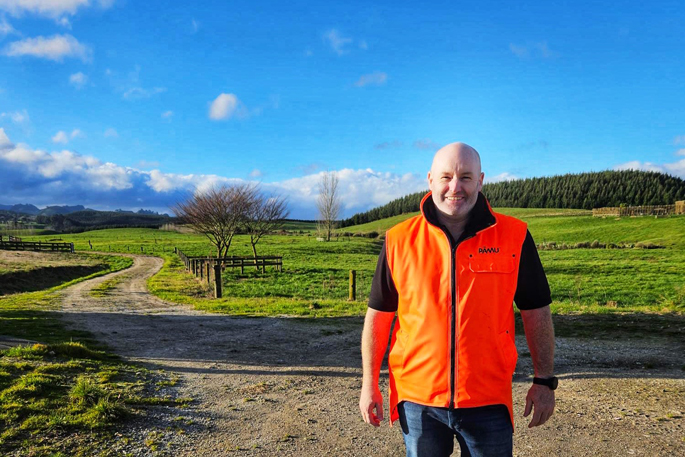
Dairy farmer Jason Halford went from being an award-winner to a place of burnout. Life is much brighter these days, but he’s sharing his story to help others.
There was a time when I thought being a good farmer meant always being available, always saying yes, and never stopping. If a gate was broken, I fixed it immediately. If a cow was lame, I pushed through the pain. If the phone rang, I answered it – no matter the hour.
I wore that work ethic like a badge of honour. I was chasing excellence, chasing recognition, chasing that A‑plus farmers are taught to strive for. And for a while, it worked. I won awards. I built a successful sharemilking career. On the outside, I looked like I had it sorted. Inside, I was empty.
In 2018, my body and my mind finally had enough. I remember the moment clearly. I was dealing with lame cows, my back was sore, I was exhausted from picking up feet day after day – and something inside me just snapped. I rang a mate in tears and told him I couldn’t do it anymore. I wasn’t just tired. I was broken.
That’s still hard to talk about. Going back to that place isn’t easy. But I share it because too many farmers are still walking the same path I did – and because burnout isn’t just bad for your wellbeing, it’s dangerous.
When you’re exhausted, stressed or under pressure, you don’t make good decisions. On a farm, that can be the difference between getting home safely and ending up injured – or worse.
Farming is an all‑consuming job. There’s always something that needs doing. Animals don’t wait, seasons don’t pause, and problems don’t arrive at convenient times. But the culture of “harden up” doesn’t help us. It pushes us further into fatigue, isolation and risk.
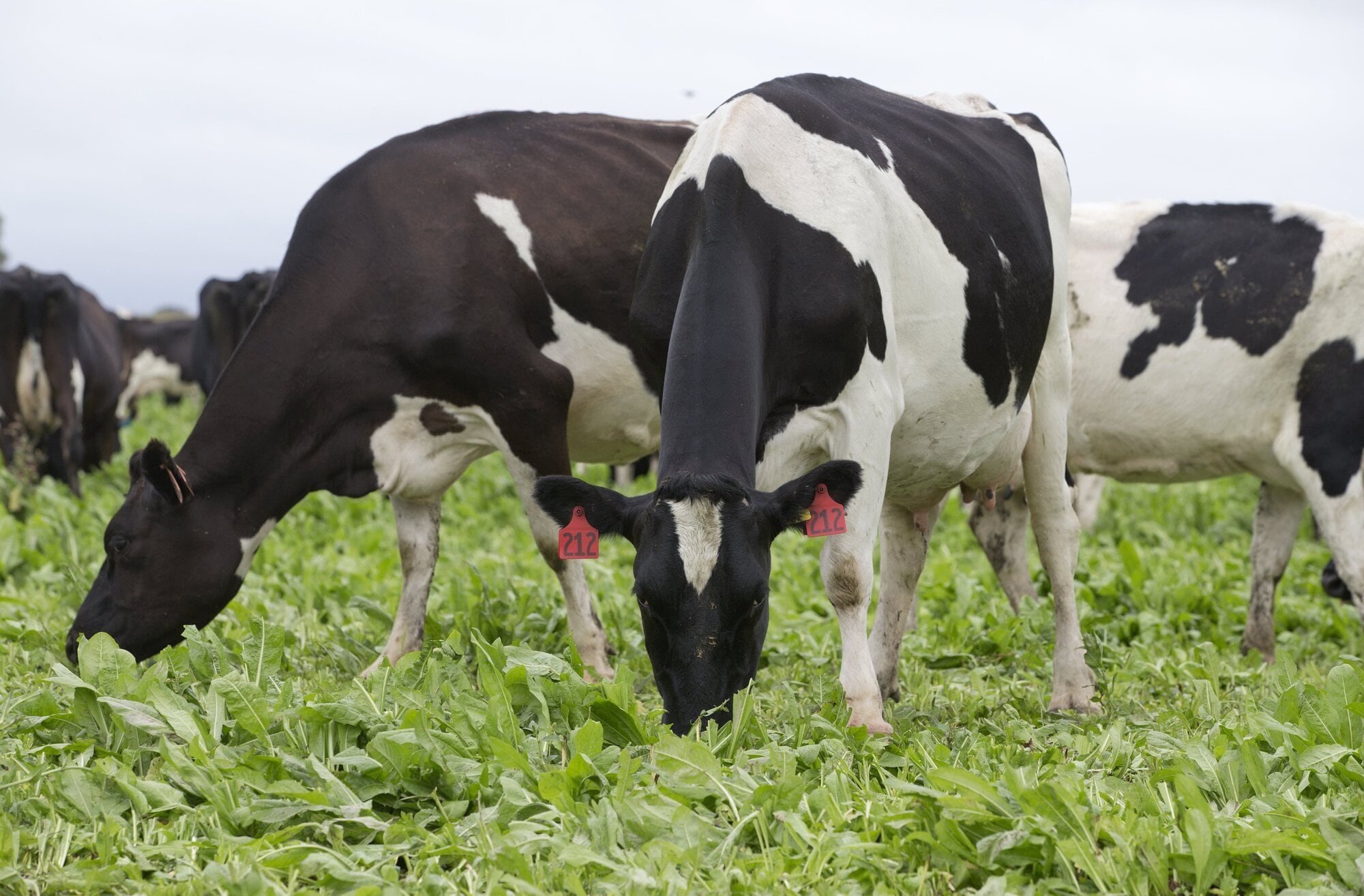
Animals do not wait. Photo / Mark Mitchell
Looking back, I can see how out of balance my life had become. One conversation with my wife stays with me. I asked her how much of the parenting she thought I was doing – maybe 30 or 40%, I guessed. She said it was closer to 5%. That hit hard. My kids were little, and I was barely there.
It took me 18 months to recover and reset my life. These days, I manage dairy farms north of Taupō, and I make my family a priority. I’m at weekend sports. I’m present. I don’t want regrets – and I don’t want other farmers to get to the point I did before realising something has to change.
One of the biggest lessons I’ve learned is that looking after yourself isn’t selfish. It’s a responsibility – to your family, your team and to yourself. And it’s critical for farm safety.
When you’re tired, accidents happen. We go straight into “doing” mode without stopping to think. We rush. We cut corners. We miss things we normally wouldn’t. Most farm injuries are predictable - and preventable – but only if we’re in the right headspace to notice the risks.
I now have a plan to manage the pressure I put on myself. I have three non‑negotiables.
First, I stay active. I go to the gym every day. I know that’s not realistic for everyone, but getting off the farm – even for a walk - matters. Movement clears your head.
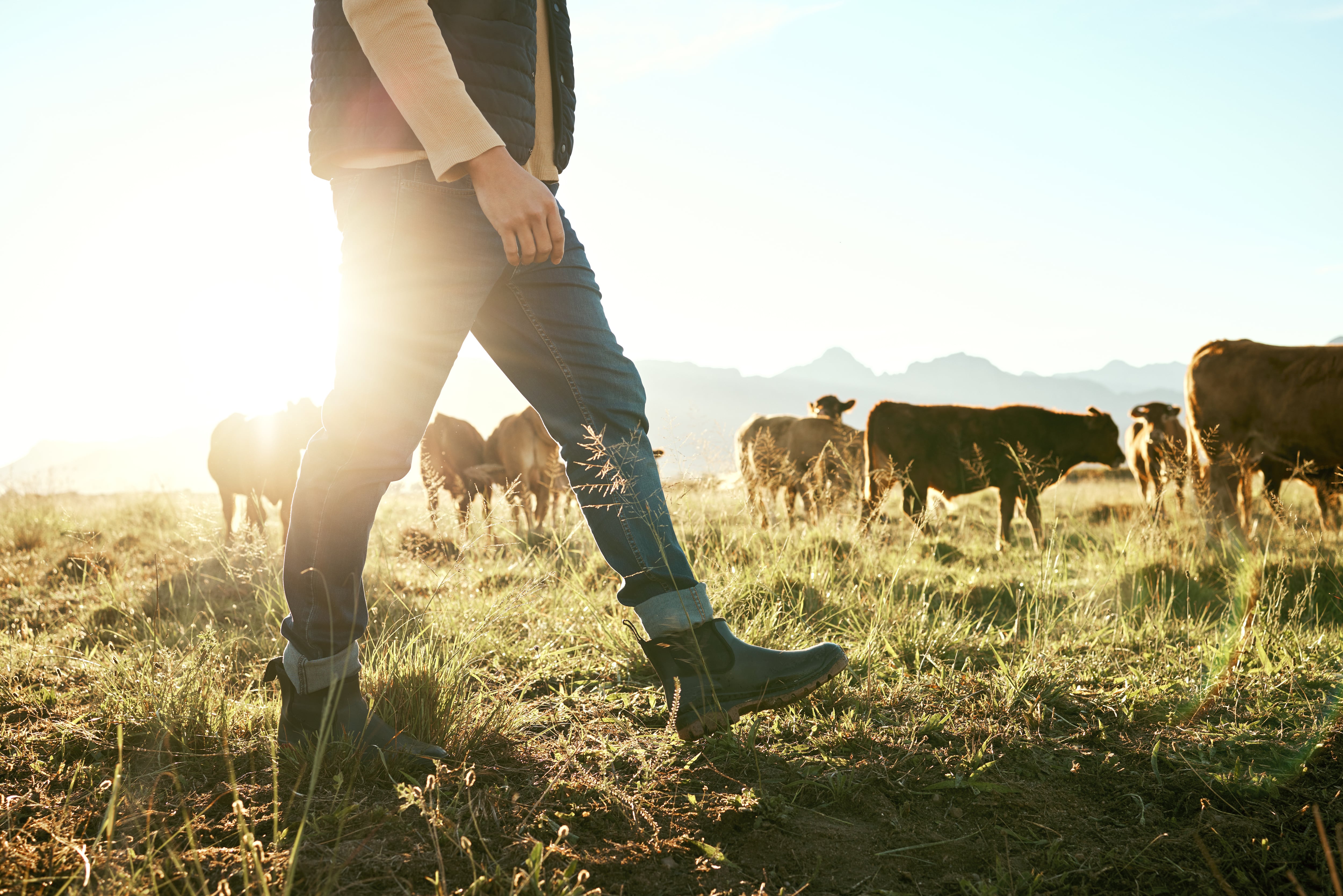
Jason Halford said being on the farm constantly can be exhausting and encourages people to take time away. Photo / 123RF
Second, I disconnect. I put my phone down. When I was on the farm, every ring felt like another problem, another demand. That constant pressure of needing to be on is exhausting. You need time away from it.
Third - and most importantly - I surround myself with good people. You need people you can be honest with. If you’re not coping, you have to tell someone. You don’t have to carry it alone.
I’m a big supporter of Farmstrong because it encourages exactly that – farmers looking after themselves as well as they look after their stock and pasture. The stigma around mental health is easing, and that’s a good thing. Talking about stress, fatigue and wellbeing shouldn’t be a big deal - because ignoring them comes at a much higher cost.
It’s great to see the likes of ACC, FMG and the Mental Health Foundation supporting Farmstrong because it’s a programme that I know makes a difference. Last year, 20,000 farmers and growers were doing the things that keep them “Farmstrong” by following the programme.
New Zealand farmers are among the best in the world. But even the best make poor decisions when they’re exhausted or under pressure. If we want to stay safe on the farm, we have to start with ourselves. You can’t pour from an empty cup. And you can’t farm safely if you run yourself into the ground.
ACC – Farming injuries by the numbers
- In 2025, ACC accepted 16,325 work-related agricultural claims for $109 million to help people recover.
- Over the past five years, ACC has supported farmers with 1.5 million days of weekly compensation (days off work) for $209 million.
- The leading regions for work-related agricultural injury claims in 2025 were: Waikato (2660), Canterbury (2376), Hawke’s Bay (1443), Southland (1414) and Bay of Plenty (1404).
- An ACC-funded study for Farmstrong shows 58% of injured farmers linked their injuries to stress associated with farm work. A quarter of them said it was a major factor.
- ACC is a strategic partner of Farmstrong, encouraging farmers to live well to farm well.
Farmstrong – the five ways to wellbeing
- Connect – Research shows people with strong social connections are happier, healthier and live longer.
- Give – When you give your time, your words, your presence to others, not only do they benefit, but it makes you feel a lot happier too.
- Take notice – Each day, take a few moments to pause and think about what you really appreciate.
- Keep learning – At whatever age, learning new things is good for your brain and keeps your thinking flexible and open.
- Be active – Keeping active is a great way to feel good.
-Content supplied by ACC

0 comments
Leave a Comment
You must be logged in to make a comment.