


The government inquiry into the fatal landslides in Tauranga had to be extended because agencies were too slow to provide information, official documents show.
It was announced in September that the Government inquiry would now report back in February, two months after originally planned.
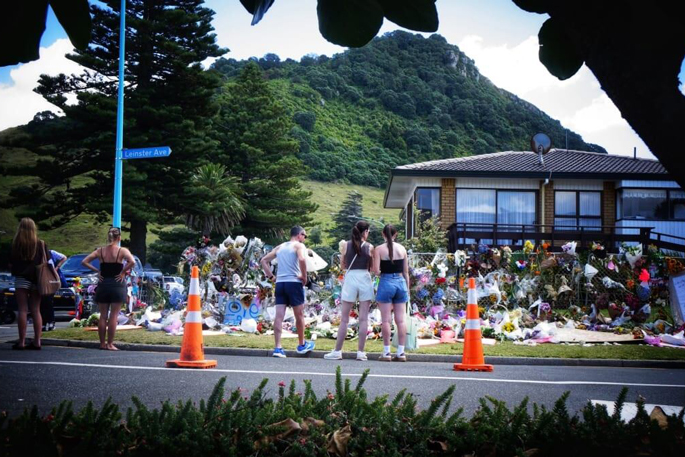
The inquiry was established following the January slips at Mt Maunganui and Welcome Bay Rd in Pāpāmoa, which killed eight people.
Brooke van Velden, the minister responsible for the government inquiry, said chairman Sir Mark O’Regan had asked for an extension because the review commissioned separately by the Tauranga City Council was completed about two months behind schedule.
A proactively released Cabinet paper from September 2 shows the primary factor at the time of the request for an extension was “uncertainty about the timing of the Davison review”, referring to the separate inquiry.
However, the documents state that two other key factors also “put pressure on the reporting deadline”.
Firstly, “delays in evidence gathering and analysis because of delays in participant agencies providing information requested”. The document did not state which agencies those were.
But it noted that participant agencies had “a number of competing priorities”, including multiple landslide-related inquiries as well as responding to Coronial Inquiries into the Auckland Anniversary floods, Cyclone Gabrielle and Whakaari White Island.
As well as the delays getting information from unnamed agencies, the paper also noted the “volume of material received by the inquiry, with over 20,000 documents having been provided to date”.
The paper also noted the inquiry had a budget of $5 million, and the inquiry had advised it expected to meet the costs of an extension within its budget.
However, if additional funding was required, the minister proposed reprioritising forecast underspend from the Royal Commission of Inquiry into Covid-19 Lessons up to a maximum of $100,000.
In a statement on the Department of Internal Affairs website, O’Regan said he recognise that extending the reporting date may be disappointing for some.
“We are grateful for the continued patience, trust and engagement we have received as we complete this important work.”
The Inquiry continued to make steady progress but is considering a substantial volume of evidence, comprising about 20,000 documents, he said.
“Taking the time to properly examine and assess this material is essential if we are to produce a thorough, independent and evidence-based report that New Zealanders can have confidence in,” says Sir Mark.
Following an assessment of progress and the work still required, the Inquiry advised that additional time was needed to fully consider all available evidence and fulfil its responsibilities under the Terms of Reference.
The Inquiry’s work is separate from the Davison Review recently released by Tauranga City Council.
While the Inquiry is required to have regard to the review’s findings, it is not bound by them.
“The Inquiry has its own Terms of Reference, evidence base and reporting responsibilities. Our role is broader in scope, and we must reach our own independent findings based on all of the evidence before us.”
The Inquiry is now moving from evidence gathering into detailed analysis, deliberations and preparation of its final report.
“Our objective remains unchanged: to establish how the fatal landslides occurred, examine how risks were managed, and identify lessons that may help prevent similar tragedies in the future.
“We remain committed to delivering a robust and independent report that honours the significance of this event and the people affected by it.”
-Additional reporting by NZME


0 comments
Leave a Comment
You must be logged in to make a comment.