


The Ministry of Civil Defence & Emergency Management has cancelled the National Tsunami Warning (Marine and Beach Threat) issued yesterday after the earthquake near Chile.
Director Sarah Stuart-Black says they've reviewed the situation following advice from the GeoNet Tsunami Experts Panel and believe the warning no longer needs to be in place as the threat to New Zealand's East Coast and Chatham Islands has largely passed.
'We expect that there may be some unusual water conditions for the next 24-36 hours and advise people to be cautious and use discretion before going into the water or going out in small boats.
'We expect things to be back to normal within that 36 hour period.”
The Tsunami Warning (Marine and Beach Threat) was issued at midday on Thursday, September 17, with the first waves arriving at the Chatham Islands from 11.50pm on Thursday.
Wave heights were up to 50 cm, which were recorded in parts of the Chatham Islands.
'The response from the public to this warning has been fantastic. In most cases we've seen people heeding our advice and being responsible,” says Sarah.
'On any given day New Zealand's entire coastline could be at risk from a tsunami. This warning as a result of the Chilean earthquake is a reminder to each of us to make sure we know what to do in an emergency.
Sarah says the ministry wants every Kiwi to be prepared for an emergency by having a household emergency plan for what to do.
In the past few years New Zealand has experienced several of these ‘distant source' tsunami that have been generated from earthquakes from across the Pacific.
'People should be getting a better understanding of what happens, and what to do.”
If there is a ‘local source' tsunami caused by an earthquake near our coast it may not be possible to give an official warning. We need to take notice of natural warnings. Things like:
- the ground shaking so much from an earthquake that it's hard to stand up
- a rolling earthquake of a minute or more
- the sea doing something different - like a sudden rise or fall in the sea level or the sea making loud and/or unusual noises, it might sound like a roaring jet engine
If people experience these things then they need to move immediately to high ground or as far inland as possible. Once they've done that they need to listen to the radio or other media for information from local civil defence authorities.
TSUNAMI SIREN TEST DAY
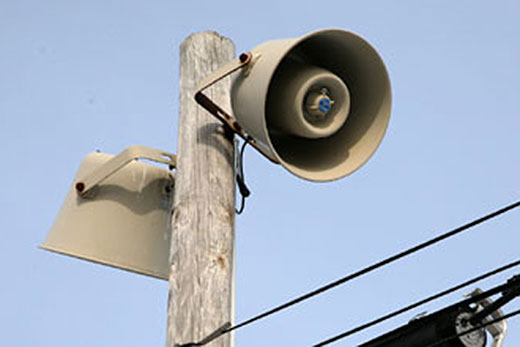
At midday on Friday, September 25, tsunami sirens on the Coromandel and Firth of Thames will sound for their annual test.
The Thames-Coromandel District Council advises that you will not need to evacuate for this upcoming test.

0 comments
Leave a Comment
You must be logged in to make a comment.