


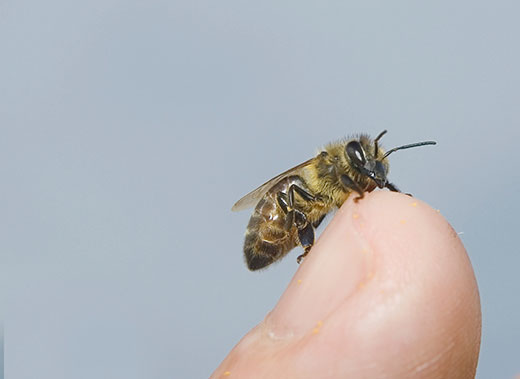
Without the incredible honeybee, two-thirds of the food we take for granted would almost vanish, making life as we know it impossible.
'The reality is that no bees mean no food and no people. That's no joke because bees make civilisation possible,” says John Hartnell, Federated Farmers Bees Chairperson and a Christchurch based exporter of bee products.
Be kind to bees - our lives depend on them - says Federated Farmers.
That's why John and Federated Farmers is urging home gardeners, orchardists and farmers to think about the safety of bees when spraying or using irrigation this spring.
'If we don't look after all natural pollinators and the honeybee especially, we could see economic and social collapse. We are truly tiptoeing around the edge of a global chasm.”
One-third of the food all humans eat is directly pollinated by honeybees. Nothing comes close to matching nature's super pollinator. It is why the honeybee is the most indispensable insect to modern society, says John.
'When you eat your main meal tonight, just examine what's on your plate. Anything of colour, from broccoli to carrots, or avocados to beetroot, they are only there because of honeybee pollination."
What's more, another third of the food we eat from agriculture is indirectly supported by honeybees pollinating pasture and crops.
There are some very simple rules for bee safety around agricultural sprays and irrigation and this is as applicable to lifestyle block farmers and councils, as it is to working farms and home gardeners, John says.
If the crop is flowering and bees are flying and working the crop, leave spraying until dusk and before dawn. This is generally better than the day itself, with less wind and less spray drift.
While a chemical may be said to be ‘bee friendly', do not take the risk. Often, the ‘sticking agent' mixed with the chemical can be more dangerous to bees than the active product itself.
Ensure any spraying contractor is fully briefed on your requirements. Deliberately flaunting these guidelines is a prosecutable offence and the prospects of a beekeeper accepting a contract to pollinate crops in the future will be greatly diminished.
Water via irrigation is a major threat to bee life. The bee cannot live in a cold-wet environment and it will rapidly chill and die before returning to the hive. Use common sense and irrigate in the evening and not during the day when bees are flying. This has the advantage of greater water retention for pasture and crops. If you want hives in a crop, then ensure an irrigator cannot drift across and literally take out the hives.
Much of the advice around bee safety applies equally at home in the suburbs with gardeners. Making home gardens an inviting place for a bee to visit increases pollination success.
Use a mixture of bee friendly plants placed in your garden, which encourage bees to fly in and do their job of pollination. Lavender in the vegetable plot or orchard is a great start and it will flower right through the pollination period. Bee friendly gardening is just as important as bee friendly farming. Keep it simple, keep it safe and bees will keep your garden pollinated.

0 comments
Leave a Comment
You must be logged in to make a comment.