


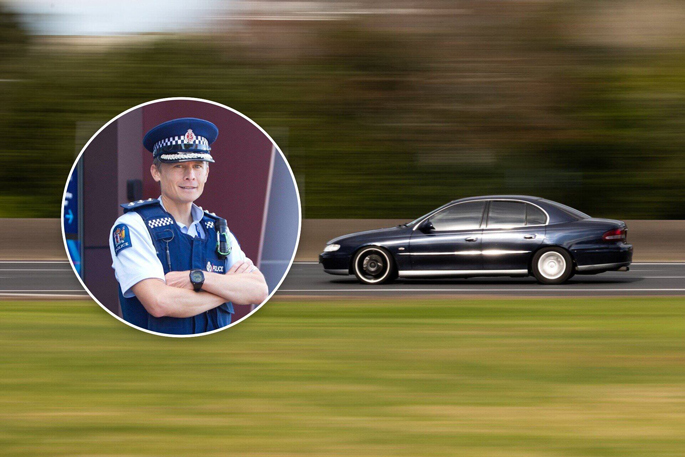
Speeding offences across Western Bay of Plenty have surged more than fivefold in four years, according to recently released police data.
The figures show police officers issued 16,579 speeding infringements in 2025, up from 2652 in 2021, a rise of 525%.
Offences increased 40% between 2024 and 2025, climbing from 11,820 to 16,579.
Road policing district manager Inspector Brendon Keenan said the increase reflected a combination of population growth, changing driver behaviour and increased enforcement activity.
Stats NZ’s 2023 Census recorded an 8.3% increase in the Bay of Plenty’s usually resident population between 2018 and 2023.
Keenan said speed remained a major focus for police, particularly on rural and semi-rural roads and in locations with a history of crashes.
“It’s important to be targeting where the accidents are, but also where 80km/h posted speed limits are, because we’re seeing that people might be creeping well above the 80.”
He said police were also placing greater emphasis on drivers travelling less than 11km/h over the speed limit because even small increases in speed could significantly worsen crash outcomes.
“If there’s going to be a crash and the speed is greater, it’s always going to be a lot worse.
“What might have been a serious crash can become a fatality, and what could have been minor can result in injury.”

Road policing district manager Inspector Brendon Keenan.
Police can issue fines ranging from $30 for speeds up to 10km/h above the limit to $630 for speeds between 46km/h and 50km/h over.
Drivers also receive between 10 and 50 demerit points depending on the offence. A total of 100 points within two years results in a three-month licence suspension.
Motorists caught travelling more than 40km/h over the limit can face an immediate 28-day suspension, while those exceeding 50km/h over may face careless, dangerous or reckless driving charges.
Keenan said speed was one of the four key risk factors identified in the police RIDS approach, alongside restraints, impairment and distraction.
With summer approaching, he said increasing traffic volumes heightened the risks.
“Over those summer periods, people are out and about more, people are on holiday more, especially out with families. It’s also a season when we see drink-driving and impairment.
“So you combine that with speed, then it’s going to be particularly more serious as well.”
Separate figures from the same police data set show mobile speed camera infringements in Western Bay nearly tripled between 2021 and 2024, rising from 8967 to 25,402. The largest increase occurred between 2022 and 2023, when infringements almost doubled from 9275 to 18,288. They rose a further 39% in 2024.
Mobile camera infringements totalled 3836 between January and June 2025, before responsibility for speed camera enforcement transferred from police to NZ Transport Agency.
As reported by RNZ in 2022, police lowered the activation threshold for fixed and mobile speed cameras, meaning more motorists were detected travelling only slightly above the speed limit. Police said the change was intended to improve road safety and resulted in a higher proportion of lower-level speeding infringements carrying smaller fines.
Students Against Dangerous Driving general manager Donna Govorko said the figures alone could not determine whether speeding had become more common, as enforcement levels, traffic volumes and police deployment could all influence offence numbers.
The organisation works with young people to help them understand road risks, make safer choices and speak up when they feel unsafe as passengers.
She said speeding remained a concern, particularly for young drivers who were still developing their experience and judgment.
“Speed leaves less time to recognise a hazard and respond, increases stopping distance, and makes the consequences of a crash more severe.
“We need to challenge the idea that travelling a little over the limit is harmless or that arriving sooner is worth the risk.”

Brake New Zealand director Caroline Perry.
New Zealand director of road safety charity Brake, Caroline Perry, said it was frustrating that people continued to risk their own lives and the lives of others by speeding.
“Whether or not speed is a factor in the cause of a crash, it’s a factor in determining the outcome.
“The higher the speed, the more likely it is that someone will be killed or seriously injured in a crash.”
Perry said enforcement was crucial for penalising offending drivers and discouraging others from speeding.
She called for speed limits that better reflected road conditions and an increase in speed cameras, reminding motorists that a speed limit was “a limit, not a target”.
Zoe Blake is a multimedia journalist at the Bay of Plenty Times and the Rotorua Daily Post.

0 comments
Leave a Comment
You must be logged in to make a comment.