


Many of the 180 wild Kaimanawa horses to be mustered next month will be slaughtered if owners can't be found for them.
Kaimanawa Heritage Horses Welfare Society Chairman Elder Jenks says based on current applications to 'adopt” a Kaimanawa horse, only around one third of the 180 will find new homes.
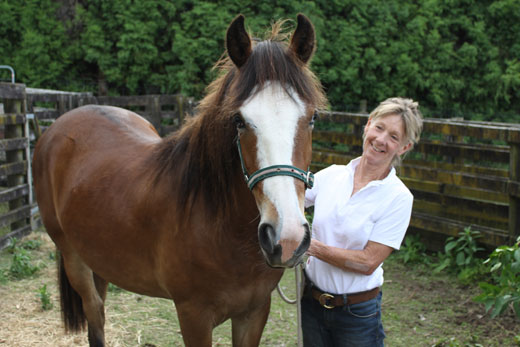
Ruth Woodward of Whakamarama with her young Kaimanawa horse called Kai.
Applications for adopting a horse from the 2014 muster close on April 30 and Ruth Woodward of Whakaramara, who owns a Kaimanawa horse called Kai, is encouraging horse lovers to consider adopting one.
'It is a big commitment to take on a horse from the wild but if not enough homes are found, many from this year's muster will die,” says Ruth.
Less than two years after his capture during the 2012 muster, Kai is as yet unbroken for riding but happily allows Ruth to halter, pet and groom him and sit on his back.
'He has such a sweet nature and I know he will be a fabulous friend for a child,” says Ruth.
Not just anyone can own a Kaimanawa horse. Each applicant to 'adopt” will be visited by a KHH inspector to ensure they have the facilities and skills to provide a Kaimanawa horse with a home which is safe for both horse and owner.
Simone Frewin, KHH spokesperson, says Kaimanawa horses are the closest direct descendants of the original horses that helped colonise New Zealand and fought in our wars.
'They are a part of our heritage that is worth acknowledging and preserving. These horses are a ‘living heritage' that can be enjoyed by all. We really need good homes for these incredible horses. It's tragic to see such beautiful animals being trucked to the abattoir.”
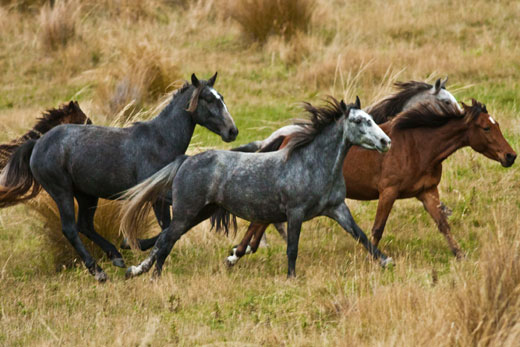 Wild Kaimanawa horses are descendants of the original horses that helped colonise New Zealand.
The Kaimanawa Heritage Horses Welfare is once again preparing for the Department of Conservation biennial muster of Kaimanawa horses from the Waiouru Military Training Grounds in the central plateau in May.
About 180 Kaimanawa horses are to be removed in the muster and KHH is seeking suitable homes to prevent the horses from going to slaughter.
The official count from the aerial census conducted by DoC in March indicates there are 469 Kaimanawa horses within the designated management zone and another 38 horses outside of the area. It is estimated that 393 of the horses within the zone are adults and 76 are juveniles. Those outside of the management zone were undetermined. DoC is responsible for maintaining the wild horse population at 300 horses, making the mustering and removal of excess horses necessary.
Kaimanawa horses have shot to fame in equestrian circles since the last muster in 2012. They've earned their celebrity status by proving both trainable and talented.
Some that were mustered and rehomed in 2012 are already out competing and winning in open competition. These horses have inspired a number of discerning horse owners to consider taking the plunge and adopting a wild horse but many more homes are needed for the 180 stallions, mares and foals that will otherwise be trucked straight to the abattoir from the muster in late May, says Elder.
To find out more or to register to adopt a Kaimanawa horse – go to http://kaimanawaheritagehorses.org/
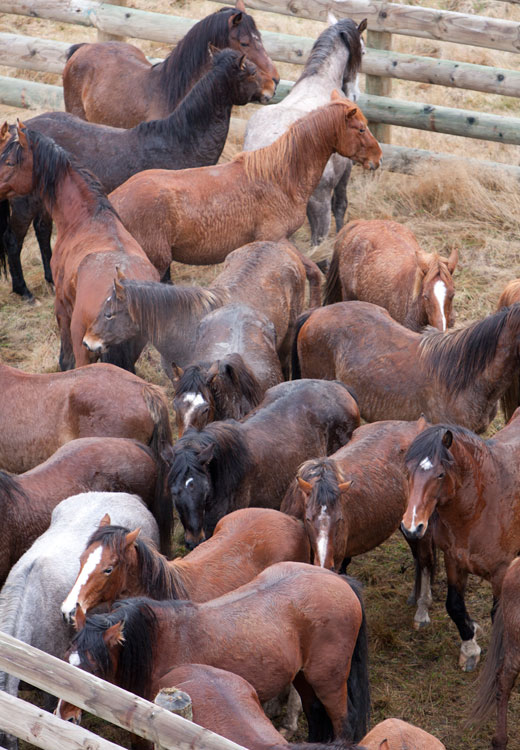 Kaimanawa horses yarded in the 2012 muster, ready for veterinary inspection and decisions on their fate.
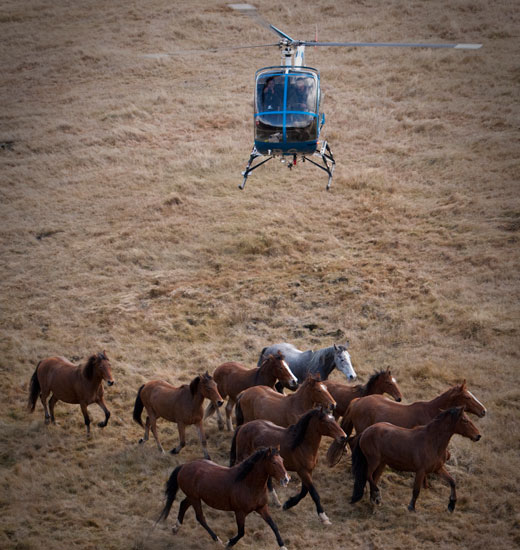 Helicopter are used to muster Kaimanawa horses to be removed from the wild herd.

0 comments
Leave a Comment
You must be logged in to make a comment.