


A succinct definition of what biological farming actually means in practice is still to be found, but basically it starts with getting soils healthy and naturally active; and proceeds from there to better plants feeding healthier and more productive stock.
While organics is touted as ‘pure' and worthy of premium prices, some find its limitations and regulations are too difficult to stick with. And that's where biological farming is finding a clear niche, because the aims and results are pretty well the same as organics – but with far more scope for individual diversity of methods (even if the premiums are still on the way).
So the second Biological Farming Conference, held in Rotorua recently, attracted almost 200 of both those already converted, and those wanting to know more. And the speakers were many and incredibly varied in their topics.
Nicole Masters, representing the Association of Biological Farmers, gave the opening address. She stressed New Zealand agriculture needs to focus on quality – as the quantity we could produce, even if doubled, would only represent the equal of one or two toenails on a giant representing world food production.
With biological farmers already proving they can grow more feed, grow animals faster, increase milk production, and reduce feed and animal health costs, the logic for moving to a biological farming system is pretty obvious.
More of the good results and less of the leaching of nitrogen is already being proven on two farms, one in Reporoa and one at Edgecumbe, in trials carried out by the Rotorua Lakes and Land Trust.
But one of the most fascinating aspects of a conference, such as this one, is the variety of topics offered.
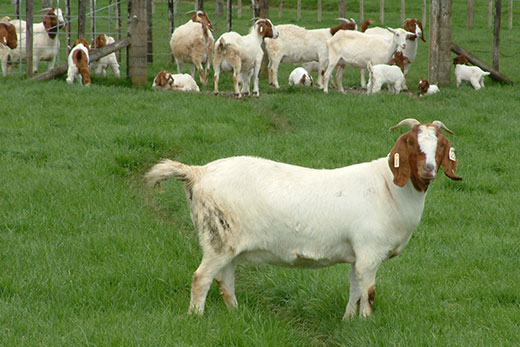
While most milking goats are these days housed indoors and fed on ‘cut and carry' pasture, Garrick Batten pointed out the largely unrecognised benefits pasture goats bring to a farm, as their diet is very much more varied than that of cows; and they clean up any bothersome weeds, such as thistles, rushes and docks. As partial replacements for beef cattle, they don't pug paddocks, but reduce greenhouse gas emissions and nitrogen and phosphate losses to waterways. And the market for their meat is growing.
A new enterprise at Raglan is investigating a raft of potential varieties table grape which can be successfully grown here, biologically.
With some ‘blow your mind' success stories from biological dairy, dairy goat and sheep and beef farmers, those attending this conference went home with heads buzzing with new ideas for not only making more profits, but enhancing the environment too.

0 comments
Leave a Comment
You must be logged in to make a comment.