


An animal leg discovered in imported stock feed, delivered to a Bay of Plenty farm, is prompting the Ministry for Primary Industries to tighten up conditions for exporters in Indonesia and Malaysia, which supply the palm kernel.
Bay of Plenty Federated Farmers president Rick Powdrell says he was aware of the discovery of the leg of an animal, found by a farmer in Palm Kernel Extract (PKE) he bought to feed his cows.
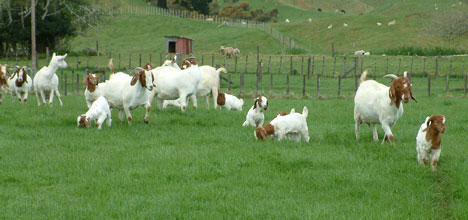
The leg of a goat or small deer was found in a Bay of Plenty farmers palm kernel.
Rick has also followed up reports that a dead monkey was found two to three years ago in palm kernel delivered to another Bay of Plenty Farm.
'This latest discovery is of obvious concern – especially around the risk of introducing the disease foot and mouth to New Zealand,” says Rick.
Compliance and Response deputy director general Andrew Coleman says the lower part of an animal leg, approximately 18cm in length, has been identified by a zoologist as most likely from a small deer or goat species, which is not present in New Zealand.
'Our risk assessors have told us that the risk of the introduction of any animal disease posed by this find is very low. However, we took the precaution of sending a vet to the property where they found all animals in excellent health,” says Andrew.
'A find like this one is rare, given that approximately 1.5 million tonnes of PKE are imported annually.”
Rick says the find highlights the fact that there may be grounds for a more thorough look at where the product is coming from and how it is managed.
'It also gives weight to the concerns raised by arable farmers, who visited PKE plants and raised concerns about bio-security risks for New Zealand.”
PKE was a vital supplement for livestock during last summer's drought and it will continue to be an important resource during this winter. But Rick says those benefits need to be weighed against the risk of importing unwanted diseases or pests in the product.
MPI has released two reports from inspectors, who made official visits to palm kernel expeller meal processing facilities in Malaysia and Indonesia this month.
The reports conclude that any biosecurity risk from the importation of PKE is very low – but the strengthening of import requirements will be accelerated after a small part of an animal limb was recently discovered in a PKE shipment.
The audit reports show good biosecurity systems are in place in the two main PKE-supplying countries – but some tightening up is recommended to ensure New Zealand's standard is met.
MPI is sending a senior manager to Malaysia today, and then on to Indonesia to work with authorities there.
'The focus will be on working together to ensure that PKE from unapproved facilities cannot be exported to New Zealand. In addition, a small number of processing facilities will need to improve their systems to keep birds and rodents out of the product in storage,” says Andrew.
'The changes we are introducing will help strengthen our system further.”
Currently, every shipment of PKE must meet strict requirements before it can be imported to New Zealand, including heat treatment, fumigation and inspection.
'A further option being considered is a new levy on PKE imports, or an increase to the existing biosecurity levy, to increase the level of inspection in these countries. Any such proposal would have to be consulted on and have industry support. MPI is now beginning work on various options for consultation."

5 comments
animal feed
Posted on 19-06-2013 18:13 | By marigold
this is not acceptable. What the heck are people doing importing feed anyway. For goodness sake, we have the best of feed in this country. Importers should be prosecuted.
Less is more
Posted on 20-06-2013 07:31 | By Hillbilly
This rain-forest destroying byproduct is brought in so farmers can feed animals on their overstocked farms, with the intention of producing more milk and animals e.t.c, but as usual when summer comes round they pay the price for their greed as they have to many animals on board to make it through leaner times and blame the weather. In the meantime the threatened animals that have lived in the rain-forests for ever are left without habitat because of this dirty, selfish, greedy practice that NZ farmers buy into.
palm kernel
Posted on 20-06-2013 12:25 | By Capt_Kaveman
needs to be banned
Is this safe?
Posted on 20-06-2013 18:58 | By Kate
Heat treatment and fumigation ... With chemicals? Then the animals eat it and we drink their milk and eat the meat. Doesn't sound right to me.
Banning palm kernel
Posted on 24-06-2013 15:45 | By Environmental education
I agree palm kernel should be banned, for the reason given in other posts. But animal agriculture in New Zealand also destroys our environment, particularly our waterways. Farmers should be treated like the rest of us and be forced to clean up their own mess.
Leave a Comment
You must be logged in to make a comment.