


Fishers are being warned to brush up on the rules around the Hauraki Gulf’s marine protected areas or risk hefty fines this summer.
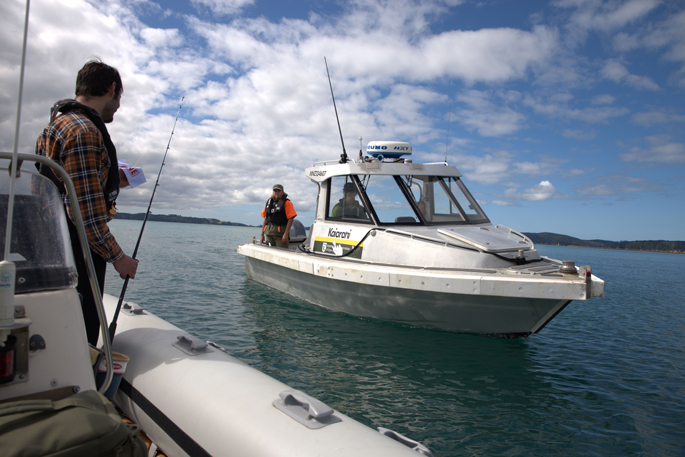
Marine protection rangers are preparing for their second summer patrolling the gulf’s network of marine reserves and high-protection areas, which expanded significantly a year ago, a Department of Conservation statement said.
New marine protected areas came into effect on October 25, 2025, introducing 12 high-protection areas, five seafloor protection areas and extending two existing marine reserves.
The changes added 586sq km of protected waters, an area more than twice the size of Singapore.
DoC Auckland marine district operations manager Kirsty Prior said the past year had focused on educating the public about the new protections and why they were needed.
The department has attended boat shows and fishing competitions, distributed more than 100,000 information flyers, installed more than 120 signs at boat ramps and other access points, and carried out thousands of patrols on land and water.
“We’ve been talking about the new protected areas and also explaining how marine protections take pressure off important ecosystems such as productive reefs and seagrass areas,” Prior said.
“We started by educating people, and now we’re moving to a stronger enforcement approach, including fines and prosecution.”
During the peak summer period, 34 DoC rangers will be deployed across the gulf, supported by high-zoom CCTV cameras, drone technology and partner agencies including the police and Fisheries New Zealand.
Prior said patrols would focus on known non-compliance hotspots such as the Long Bay-Okura Marine Reserve, Kawau Bay High-Protection Area and The Noises High-Protection Area.
Fishing in a marine reserve or high-protection area can result in an infringement fine starting at $600. DoC officers also have powers to stop and search boats and vehicles, require identification and seize fishing equipment.
Prior urged boaties and fishers to check protected area boundaries and ensure navigation systems and chart plotters were up to date before heading out.
“Our message is straightforward: hook a fish, not a fine.
“The best way to avoid penalties is to know the rules before you drop a line this summer.”
Members of the public can report suspected illegal activity in marine protected areas by calling DOC HOT on 0800 362 468.

0 comments
Leave a Comment
You must be logged in to make a comment.