


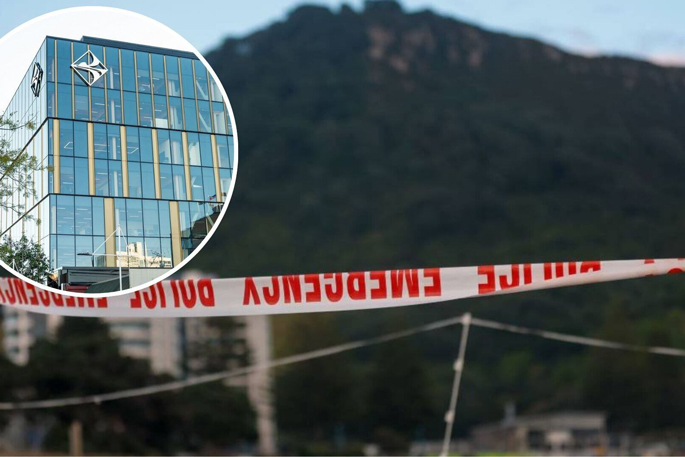
Tauranga City Council has committed up to $500,000 to overhaul how it manages risk following damning findings from the review into the Mount Maunganui landslide tragedy.
In today’s council meeting, councillors approved the unbudgeted spending towards completing the recommendations set out in the external review.
The council commissioned former High Court judge Paul Davison, KC, to look into the fatal January 22 landslide from Mauao, which killed six holidaymakers in a council-owned campground.
Davison’s report was released on August 19 and found the landslide risk was known by the council, and the organisation missed opportunities over decades to take actions that could have prevented the deaths.
Davison attributed this to systemic failures and made 10 recommendations to the council for systemic change.
In a meeting on September 1, councillors formally accepted his findings and committed to implementing his recommendations.
The money approved today would go towards recruiting and appointing an independent Organisational Improvement Programme director, resources to further refine the programme plan, and to get on with immediate risk framework and council culture change actions.
A report authorised by strategy, partnerships and growth general manager, Christine Jones, said Davison’s review identified weaknesses in the council’s risk management, governance, decision-making and organisational culture.
In response, staff developed a plan to implement Davison’s recommendations and strengthen the council’s capability to identify, understand and manage risk, and escalate action.
The staff report said more work was needed to confirm what resources and budgets the programme would need, as well as to establish success measures and refine the timeline.
The programme of changes was expected to be delivered over an “intense” 18-month period.
Deputy Mayor Jen Scoular told senior staff the council had known about the risk reports – which Davison found had not been properly acted on – since a few days after the landslide.
She criticised the narrative that staff were “limited in time”, saying the organisation should have been working through risk navigation since day three.
The plan said the council had an existing risk management framework but Davison identified significant gaps in its application, governance, integration, oversight and supporting culture.

On August 19, Tauranga City Council chief executive Marty Grenfell (left) and Mayor Mahé Drysdale, with Paul Davison, fronted the external review into the Mount Maunganui landslide tragedy. Photo / Alyse Wright
The report said the programme would have four workstreams.
A risk framework workstream would provide leaders with a clear line of sight to the organisation’s most significant risks.
An emergency management workstream would cover planning, preparedness, response, recovery and continuous improvement required to manage emergency events across the organisation.
A systems and tools workstream would focus on ensuring information, records and organisational knowledge that support decision-making were captured, accessible and effectively managed across the organisation.
A culture and relationships workstream would ensure the council has the culture and behaviours needed to support good decisions, clear accountability and safe outcomes.
A publicly accessible progress tracker was proposed to see how far away recommendations were from completion.
The programme objectives included embedding a strong risk and accountability culture, strengthening organisation-wide risk processes, improving visibility, ownership and oversight of critical risks and enhancing emergency preparedness and response.
The report said the programme was designed not only to implement Davison’s recommendations, but also to “address underlying organisational conditions that allowed risks and warning signs to be missed, fragmented or insufficiently escalated”.
Not enough capacity for council staff to work on the programme was identified as a delivery risk.
Tauranga Mayor Mahé Drysdale said this work would need to be prioritised and other projects might have to sit in the background while this was focused on.
“Workstreams may need to drop off for us to do this over something else, rather than just bringing in more people.”
Ayla Yeoman is a Local Democracy Reporting journalist based in Tauranga. She holds a Bachelor of Arts majoring in communications, politics and international relations from the University of Auckland, and has been a journalist since 2023.
LDR is local body journalism co-funded by RNZ and NZ On Air.

0 comments
Leave a Comment
You must be logged in to make a comment.