


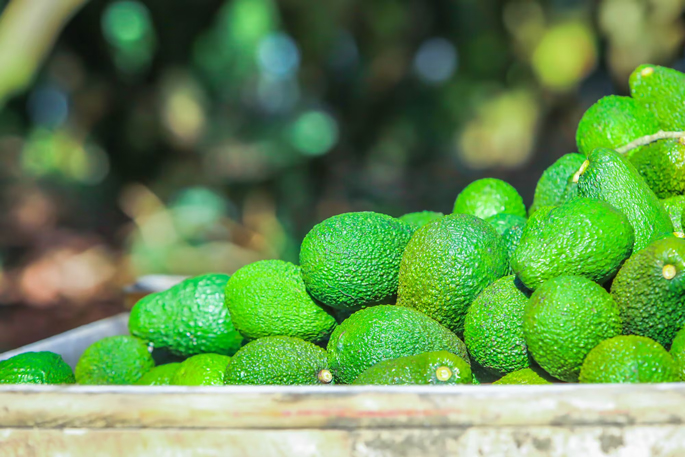
Overseas sales are looking promising but the effects of winter frosts are still being felt in the avocado industry.
The outlook for the sector remains positive for the coming season and over the longer term, NZ Avocado chief executive Brad Siebert says.
“We still need to work through this season’s impacts of the frost, and international competition will remain strong, but New Zealand retains some genuine advantages: favourable seasonal windows in key markets, access to a broad range of export destinations, proximity to major markets in Australia and Asia, and a trusted country-of-origin reputation that continues to carry real value internationally.”
He said none of these advantages could be taken for granted.
“Our collective challenge is to convert them into sustainable grower returns through improved orchard productivity, consistent fruit quality and adherence to best-practice disciplines across the supply chain.”
Overall, Siebert said there remained plenty to be positive about as the avocado industry moves through its 2026-27 season.
“Key markets continue to look favourable, particularly with renewed demand from Australia, alongside the diversified market programmes exporters have established across Asia and North America.
“The opportunity in front of us is not simply about having more fruit to sell.
“It is about how well we collectively execute the season through fruit quality, market timing and supply-chain performance for both our export and domestic markets.”
He says the positive outlook does, however, need to be balanced against the significant frost events experienced across the country’s growing regions during August.
Frost damage
“For a number of growers, the effects were substantial and I want to acknowledge how difficult it is to see fruit, foliage and developing flowers impacted, particularly as many orchards were approaching harvest.”
Siebert said the immediate focus has been on supporting growers to assess damage and make considered decisions around harvest timing and orchard management.
“Some impacts are readily visible, while others, particularly the effect on fruit quality and overall crop volumes, will continue to take time to fully understand.
“It is therefore important that we don’t get ahead of ourselves in estimating the industry-wide impact.
“What we do know from the latest crop estimate is that industry volumes are showing a minor decrease from the previous estimate.”

New Zealand Avocado CEO Brad Siebert.
Siebert said this variance may not be fully attributed to the frost, so they continue to monitor crop volumes and pack-outs closely as harvest progresses to build a clearer picture of what expected crop levels mean for individual regions and the overall season.
“We have a strong market opportunity in front of us, but ultimately the measure of a successful season is not the number of trays we export but the returns that flow back to growers.
“That means improving production outcomes, maintaining quality, getting fruit to the right markets at the right time, and continuing to build demand for New Zealand avocados both here at home and internationally.”
Spring is always an important point in the avocado calendar.
“Harvest is in full swing, market dynamics are coming into focus and attention in orchards is already turning to flowering and the crop ahead.”
Post-harvest
Siebert said plenty was happening beyond the immediate harvest.
“Our research and extension programmes continue to focus on the issues that matter at orchard level.
“The new pest and disease strategy will result in a substantial programme of work across adaptive spray technologies; better understanding of pest biology to inform our integrated pest management (IPM) practices; testing new crop protection products; AI-assisted tools to empower grower decision-making; and better quantification of pest and disease impacts to justify adoption.”
Market development activity is also underway across a number of key markets, including a fundamental shift of our investment into local market category initiatives alongside retail.
He said the recent NZ Avocado annual meeting provided an opportunity to reflect on the significant changes the industry body has worked through over the past year and the increasingly unified industry structure it now operates under.

Walnut avocado pesto is a simple spring recipe that showcases New Zealand avocados alongside fresh basil and peas.
“The focus is on ensuring that structure translates into value for growers through effective industry systems, research and extension, market development, advocacy, and preparedness to manage industry risks.”
Siebert said the annual meeting was not the only opportunity for growers to engage with their association.
“The direction and extension efforts of our research, the supply-chain systems we help manage, and category development initiatives all require continual feedback, questioning and debate as we set our annual plans.”
Walnut Avocado Pesto
Ingredients
One-third cup walnuts
Half-ripe avocado, halved and pitted
1 cup packed basil
1 cup green peas
½ tsp salt
Juice of half a lemon
¼ cup Parmesan cheese
Method
Blitz all ingredients together and use immediately.
Works well with pasta or potatoes.

0 comments
Leave a Comment
You must be logged in to make a comment.