


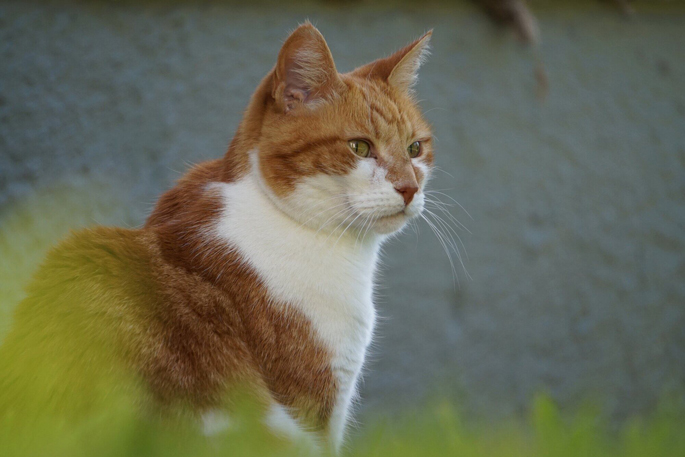
A reported UFO crash in the Tararua Range, concerns about a chimpanzee entering an MMA fight and a child worried about a ginger cat wandering through a reserve are among the more unusual calls received by the Department of Conservation’s customer service team.
While its call centre is used to handling inquiries about wildlife, the department’s conservation land and environmental emergencies, customer service team lead Olivia Tooley said in a media release that many callers misunderstand what the department is responsible for.
Among the strangest recent inquiries was a caller who insisted it needed to know about a UFO they had seen falling from the sky into the Tararua Range.
Another person contacted the department concerned about a proposed mixed martial arts fight between a human and a chimpanzee.
The Department of Conservation’s customer service teams field more than 40,000 calls a year through its 0800 ASK DOC service and dedicated conservation emergency hotline. Call volumes can reach 1000 a week during the busy summer holiday period.
Tooley said many calls relate to matters outside the department’s remit.
Recent inquiries have included requests for information about the Wellington Zoo, questions about activity in Auckland’s Waitākere Ranges, which are managed by Auckland Council, and concerns about common pests such as rats, mice and wasps.
A young child also emailed the Department of Conservation (DoC) after spotting a ginger cat walking through a public reserve, while callers frequently seek help with possums, rats and mice on private property.
One topic the department regularly deals with is seals.
“Seals are a protected species, so DoC is the right agency to call,” Tooley said.

A young male leopard seal snoozing at Sulphur Point earlier this year. Photo / Nathan Pettigrew
However, she said many callers are unaware of the department’s hands-off approach to the marine mammals.
“We’ve had queries and concerns about seals appearing very dry and covered in sand on beaches, questions from callers about which fish to feed a seal and even people who mistakenly believe we have some sort of seal rehab or hospital facility.”
In one recent case, a property owner demanded that Department of Conservation staff remove a seal from a stream because it was eating his “pet” eels.
“If a seal is in harm’s way, our great operations staff will attend, but generally we leave seals alone and ask the public to do the same,” Tooley said.
The department has also fielded inquiries about feeding wildlife, including a caller wanting to know whether it was acceptable to feed a ruru (also known as a morepork) a commercially made cracker biscuit.
“We consistently urge people not to feed wildlife, no matter how hungry the animals or birds may seem,” Tooley said.
Despite the unusual nature of some calls, she said most stemmed from a genuine concern for nature.
“What comes through from many of our calls is [that] people care about nature – and that’s certainly important.”
For the year ending August 31, the Department of Conservation’s customer service teams handled 42,637 calls and 22,394 emails.
More than 2000 calls related to seals, while 2977 calls were deemed unrelated to the department’s work and callers were redirected where possible.
On busy days, its seven-member daytime customer service team can answer more than 200 phone calls, with demand typically peaking over the Christmas holiday period as New Zealanders spend more time outdoors.

0 comments
Leave a Comment
You must be logged in to make a comment.