


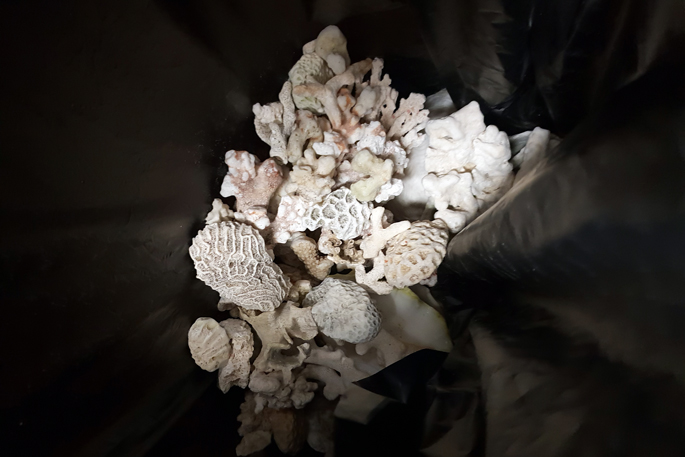
More than four tonnes of protected corals and shells have been seized by the Department of Conservation (DoC) in recent years, as New Zealanders continue to bring home restricted items from overseas holidays.
The haul, collected over the past three and a half years, was large enough to fill a standard six-metre shipping container, DoC said in a media release.
It includes 2.2 tonnes of coral and 2.4 tonnes of clams.
DoC said the seizures were part of its obligations under the Convention on International Trade in Endangered Species (Cites), which regulates the movement of protected plants and animals across international borders.
Many items made from Cites-listed species require permits to be legally transported between countries, but officials say many travellers remain unaware of the rules.
DoC border and species trade manager Ben Cornelius said officers were handling a steady flow of seized goods, particularly during the winter holiday period.
“Many eye-catching coral species are protected by Cites – and they’re often imported by people unaware they need a permit to bring the corals into the country,” Cornelius said.
”Cites officers manually sort and weigh hundreds of these imports each week during winter holiday season.
“Over the last few years, our corals and clams seizures have totalled more than 4.6 tonnes, and they have been brought into the country by more than 5000 people.”
Popular Pacific destinations such as the Cook Islands, Fiji, Tonga and Samoa are common sources, holidaymakers often returning with coral and clam souvenirs bought at markets or collected on beaches.
DoC said much of the coral was dead white coral, which travellers may not recognise as protected material.
“A lot of people think of coral as being alive and in the sea,” Cornelius said. “They don’t even recognise what they’ve bought or picked up as coral. But it’s still protected, and you can’t import it.”
Seized items were held by authorities before being sent to commercial waste facilities for deep burial.
Cornelius said travellers should check the rules before bringing items back into the country.
“We understand many families want to bring back memories of their holidays, and we urge them to visit the Cites section of the DoC website to find out more about the permit process and how they can ensure their travel trinkets like coral and clam items can be enjoyed into the future.
“Ask yourself ‘are my goods all good?’, and if you’re not sure, check online.”

0 comments
Leave a Comment
You must be logged in to make a comment.