


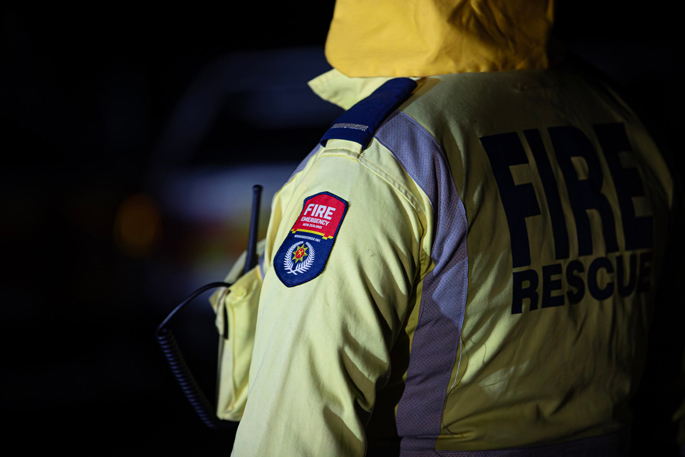
Fire and Emergency New Zealand is urging households to take simple precautions as the colder months bring a seasonal spike in house fires.
The agency said callouts increase significantly between May and July, with a 17% rise in house fires and a 29% increase in fires caused by items placed too close to heat sources.
Community education manager Tom Ronaldson said many of these incidents were preventable with a few key safety measures.
“Keep anything flammable at least one metre from the heater or fireplace – any closer and you risk it catching fire,” Ronaldson said in a media release.
He warned bedrooms were a common source of winter fires, often because heaters were too close to beds.
“If you can’t allow a heater one metre of space around it in the bedroom, place it outside the room and leave the door open.”
Households were also being reminded to regularly clean dryer lint filters, with build-up posing a fire hazard.
Fire and Emergency encouraged people to ensure chimneys were cleaned and wood burners serviced before they were used extensively over winter.
Care was also needed when disposing of ashes, which could remain hot for several days.
“Ashes can stay hot for up to five days, so they should be stored in a metal bucket and submerged in water to cool,” Ronaldson said.
Electric blankets were another area of concern, with advice to use them only to warm beds before sleeping and to switch them off before getting in.
Ronaldson recommended checking blankets for hot spots and replacing any that show signs of wear or are more than five years old.
Working smoke alarms remained critical, with Fire and Emergency advising they be installed in every bedroom, living area and hallway.
“It is vital to get that early warning of fire to help you escape,” he said.
Families were also encouraged to have a clear three-step escape plan, including working alarms, two exits from every room and a safe outdoor meeting place.
Ronaldson said taking these precautions could significantly reduce the risk of fire and help protect lives this winter.
More information was available on the Fire and Emergency New Zealand website.

0 comments
Leave a Comment
You must be logged in to make a comment.