


Tauranga City Council elected representatives will be provided with the option to apply for a home security allowance, but most say they do not plan to use it.
The Remuneration Authority introduced the allowance after reports of public figures experiencing abuse, harassment and threatening behaviour on the job.
It provides up to $4500 to buy and install a system at an elected member’s primary local home, and up to $1000 a year for monitoring, callouts and repairs.
Eligibility is based on a security threat and risk assessment authorised by the local authority.
In a Tauranga City Council meeting last week, the council unanimously voted to approve retrospective reimbursement of any home security found eligible and necessary by an assessment, under the Elected Members and Resources Policy.
Local Democracy Reporting asked councillors whether they planned to seek the allowance.
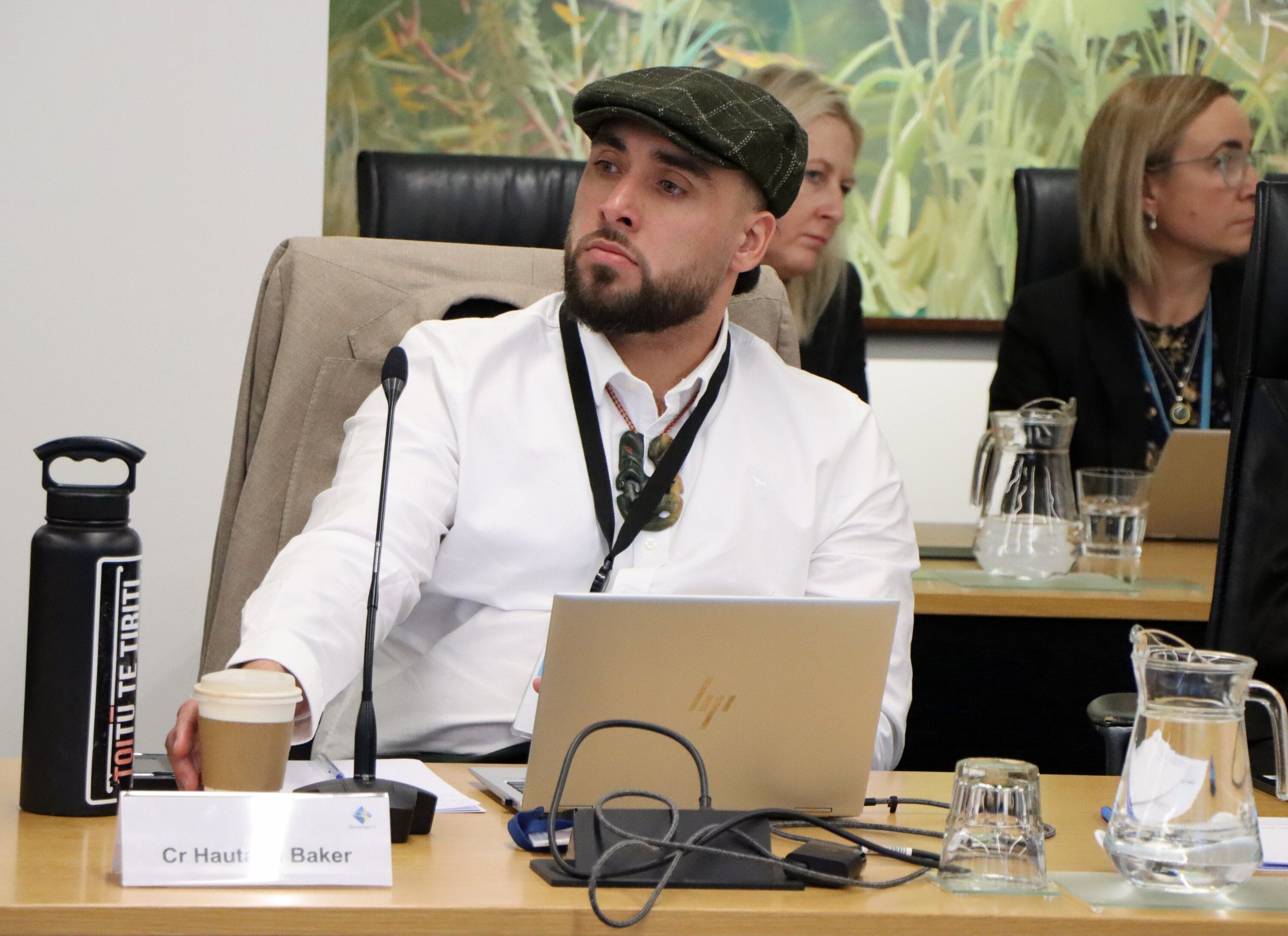
Welcome Bay ward councillor Hautapu Baker. Photo / Alisha Evans
Welcome Bay ward councillor Hautapu Baker said he had received threats over the past 18 months but did not plan to seek the allowance.
“I’ve received threats along the lines of people wanting/going to get revenge against me for the decisions I’ve made/supported.”
Those included water fluoridation, a rainbow crossing and the establishment of Māori representatives on committees.
“Ensuring the safety and wellbeing of ourselves and our whānau is essential for us to carry out our roles effectively,” Baker said.
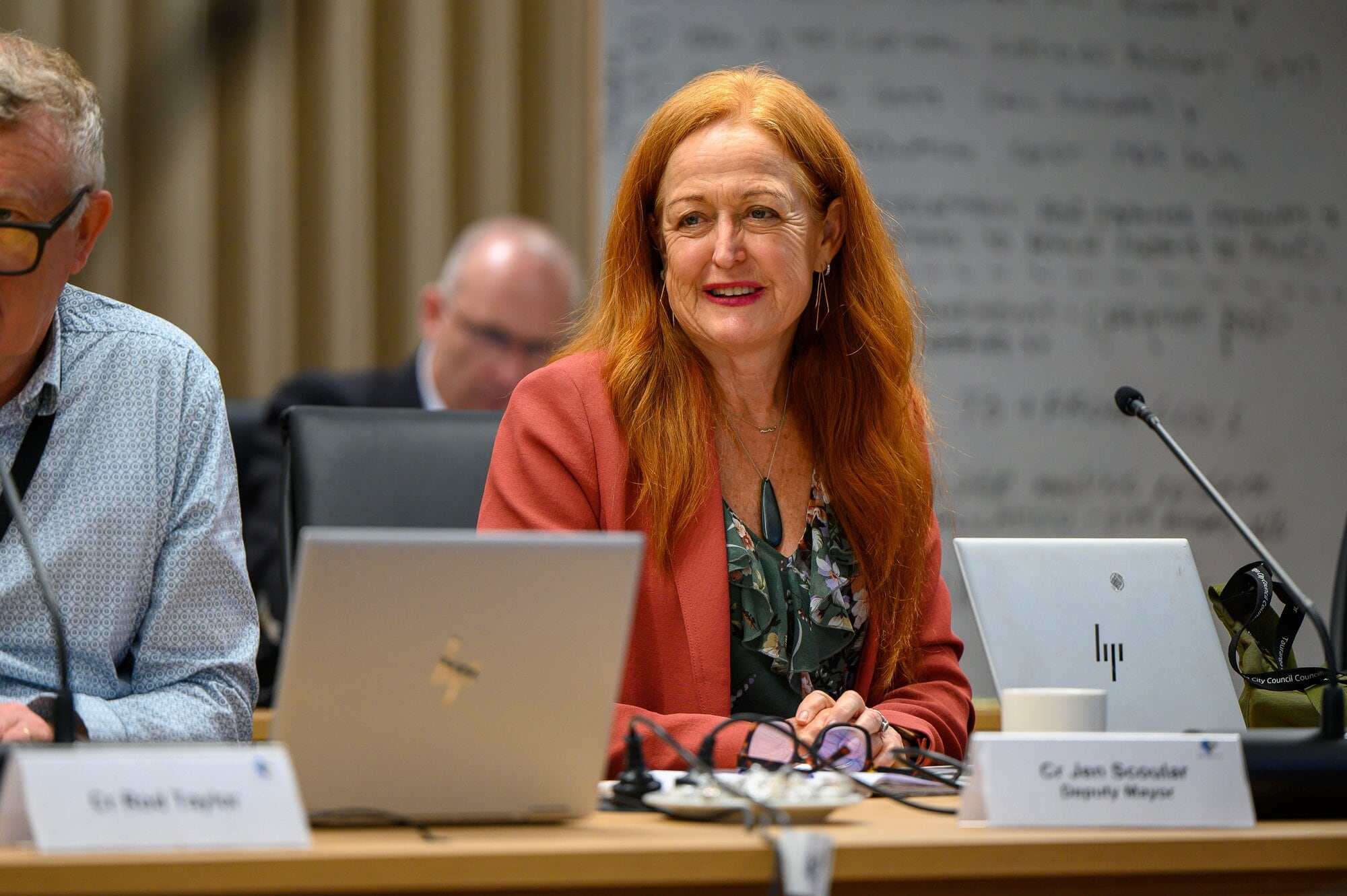
Deputy Mayor and Mount Maunganui ward councillor Jen Scoular. Photo / David Hall
Deputy Mayor and Mount Maunganui ward councillor Jen Scoular said she has asked for an assessment to be done for the allowance.
She declined to discuss any experiences or concerns leading to that decision.
“I have a good knowledge on whether there are risks that could be mitigated by having home security.
“We are in public-facing roles and I believe I should be safe at my home.”

Bethlehem ward councillor Kevin Schuler. Photo / Supplied
Bethlehem ward councillor Kevin Schuler said he did not intend to use the security allowance, but felt it was “reasonable and justified”.
“We are public property to a degree, and people can turn up to our homes with relative ease.
“I have had one instance of an envelope being dropped off inside my house while I was out.”
While he did not feel unsafe, he said others may find the thought of an uninvited or unwelcome visitor unsettling.
He said it would also be valuable to have video evidence if something got out of hand.
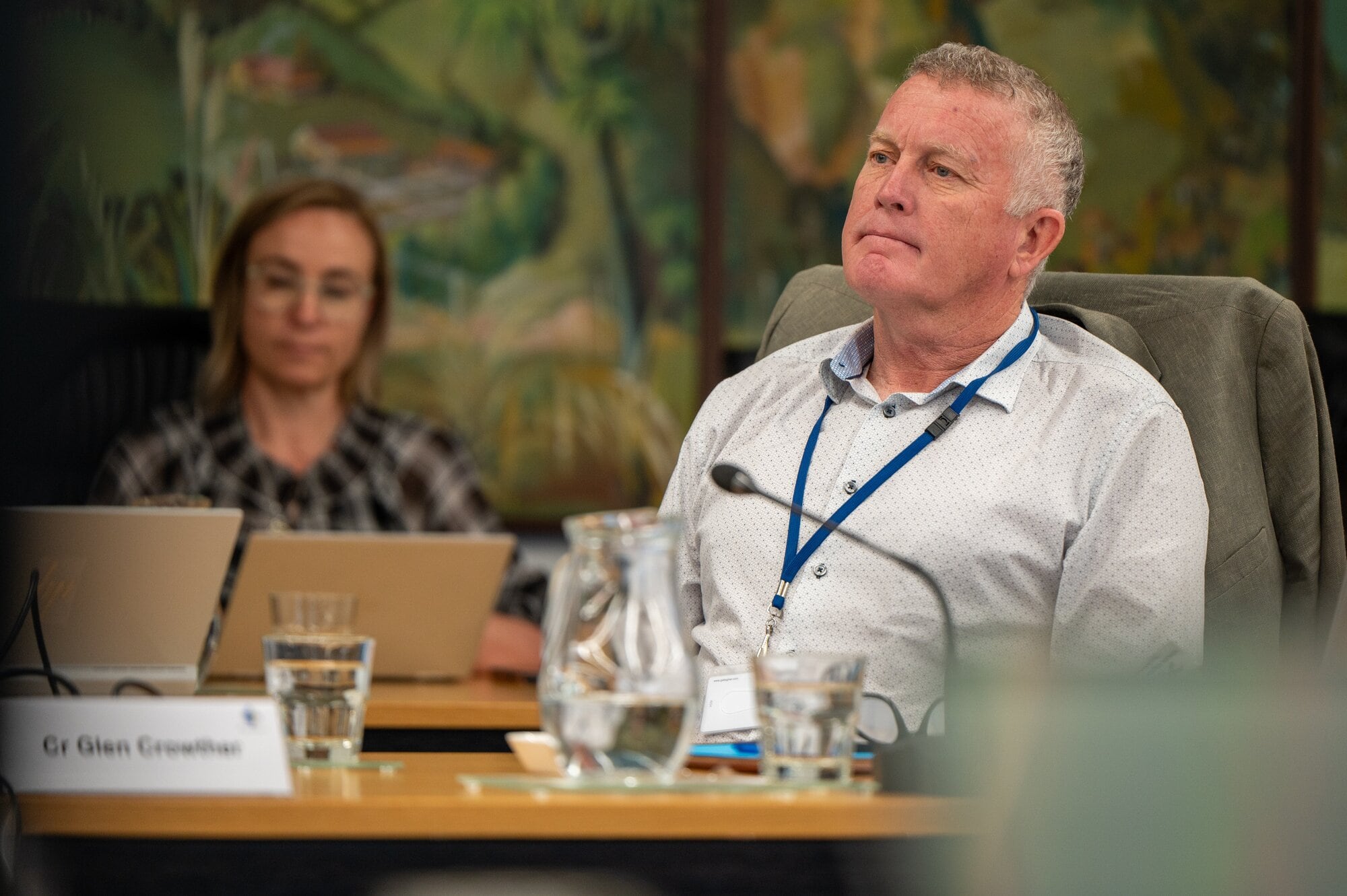
Te Papa ward councillor Rod Taylor. Photo / David Hall
Te Papa ward councillor Rod Taylor said he knew some “heated” exchanges had happened locally, including at elected members’ private residences and in front of their families.
“Personally, I haven’t had anything that would lead me to undertake installing extra security as the policy allows.”
He still believed having a clear policy with assessment criteria was important and “the right thing to do”, in case it was needed.
Te Awanui ward councillor Hēmi Rolleston said he do not intend to use the allowance, but was comforted to know it was there if any councillor needed it.
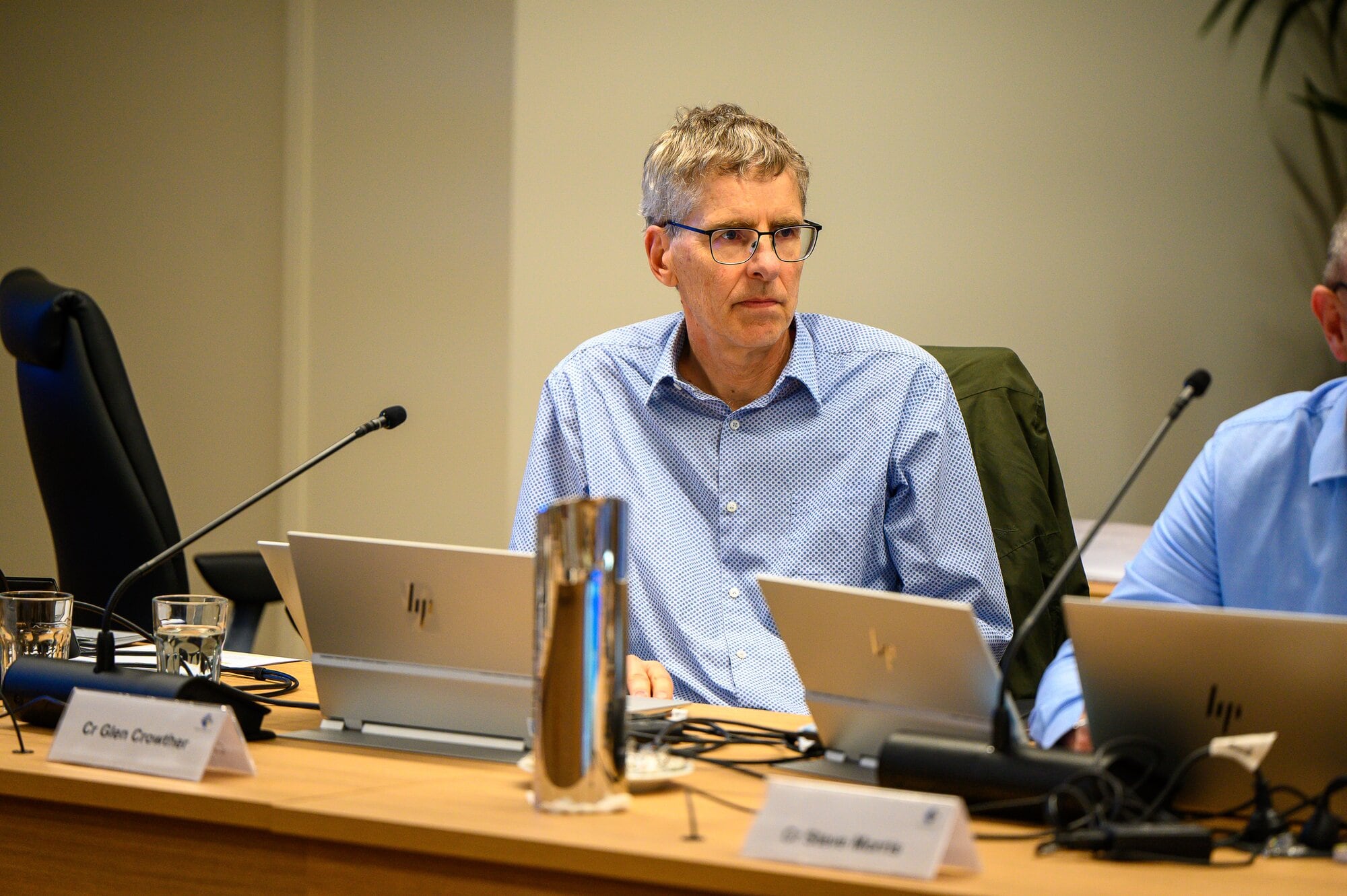
Matua-Ōtūmoetai ward councillor Glen Crowther. Photo / David Hall
Matua-Ōtūmoetai ward councillor Glen Crowther said he had not experienced any threats but supported the option for publicly funded security to be available to any elected representative “being threatened in a significant way”.
Arataki ward councillor Rick Curach said he had never been concerned for his personal security, and had not heard any current colleagues suggesting they needed a security allowance.

Tauranga Mayor Mahé Drysdale. Photo / Hayden Woodward
Mayor Mahé Drysdale said there had been incidents around the country that highlighted potential risks that came with holding public office.
“This allowance provides an option for elected members and their families if they believe there may be a perceived safety risk because of their role.”
He said it was important safety concerns did not discourage people from standing in local body elections.
“We want a wide range of people to feel confident standing for council and having measures available that may help them feel safe if they’re elected is part of that.”
He did not comment on whether he had received threats or intended to use the allowance.
Pāpāmoa ward councillor Steve Morris and Tauriko ward councillor Marten Rozeboom were also contacted for comment.
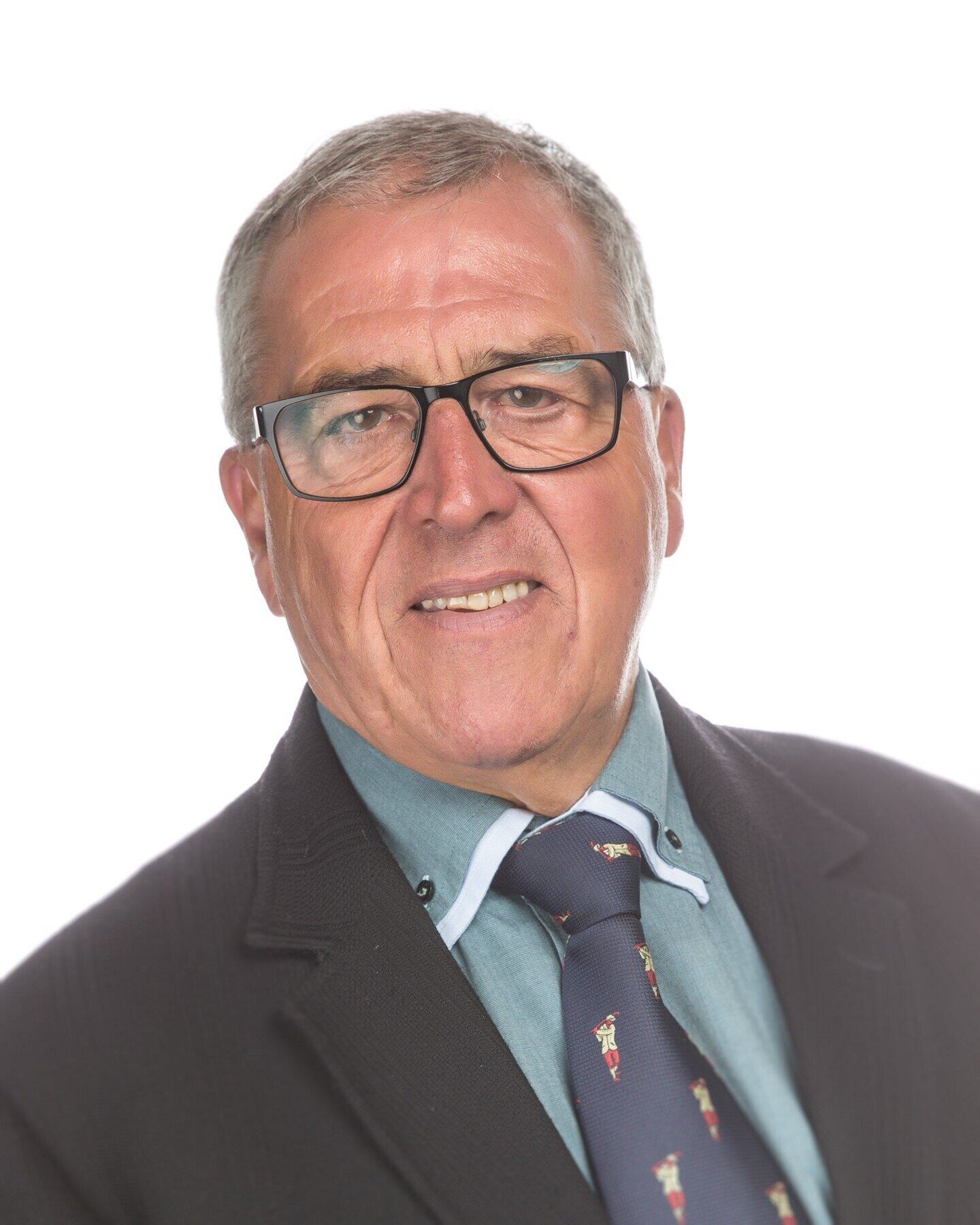
Remuneration Authority chairman Geoff Summers. Photo / Supplied
Remuneration Authority chair Geoff Summers said the provision of the home security allowance was permitted but not mandatory for local government.
He expected most councils would choose to adopt the policy so the option was available, even if few or no councillors used it.
Summers said it was there to safeguard councillors when there was a proven threat, and the policy came about from discussions with the sector about threatening situations.
“There was sufficient increasing concern being expressed that the authority decided to act.”
Local Government New Zealand president Rehette Stoltz said it had “strongly advocated” for elected members to have access to this funding to better protect council members.
“We know abuse and harassment of elected members has been increasing, both online and in person.

Gisborne Mayor and president of Local Government New Zealand Rehette Stoltz. Photo / Gisborne District Council
“This ranges from threats of physical harm to being harassed and intimidated in public.”
She said elected leaders’ families had also been targeted.
“We wouldn’t be surprised if more elected members wanted to use this funding going forward.”
Ayla Yeoman is a Local Democracy Reporting journalist based in Tauranga. She holds a Bachelor of Arts majoring in communications, politics and international relations from the University of Auckland, and has been a journalist since 2022.
LDR is local body journalism co-funded by RNZ and NZ On Air.


3 comments
User pay
Posted on 13-03-2026 14:09 | By Kancho
If you stand for any public position and stick your neck out that's a calculated position
Then home security is no different to anyone installing a system and Councillors are highly paid by ratepayers so it's a bit of a cheek to get struggling rates to pay more for their decisions .
Just another perk!
Posted on 13-03-2026 19:06 | By Watchdog
These people are on a significant salary so why don't they simply pay for their own. I.M.O.
You have to be kidding
Posted on 15-03-2026 10:44 | By earlybird
Increasing rates are getting harder and harder for pensioners to pay and now you're telling us the council wants to waste more hard to come by money on this nonsense. What's the next dumb idea? Armed security 24/7.
Leave a Comment
You must be logged in to make a comment.