


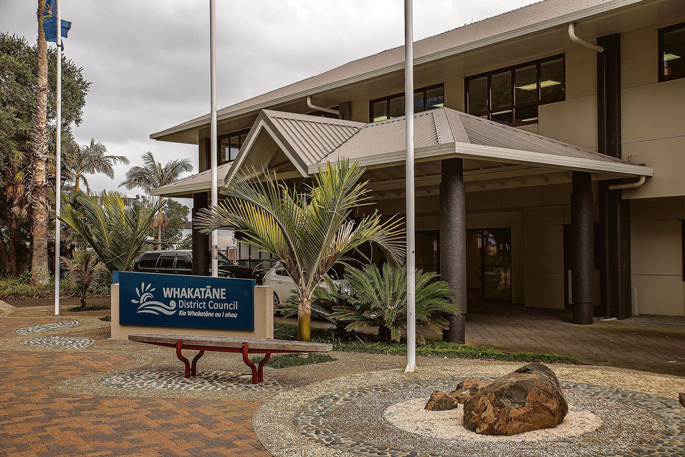
Whakatāne District Council is looking at using potential cost savings of $1.35 million to get the budget “back in the black” rather than cutting the predicted 9.4% rates increase.
A majority of councillors supported this direction at a briefing on progress of the draft budget for this year’s annual plan, to be adopted on June 25.
The savings equated to 1.7% for the rates requirement for the 2026-2027 year.
Mayor Nandor Tanczos said the council couldn’t keep rates down by borrowing to pay for an operating shortfall.
“That is short-term thinking that only leads to even bigger rates rises in the future.
“This council has indicated that we need to do the opposite – bring actual operating costs down and head the books back into the black. This is the fiscally responsible thing to do and ratepayers will be better off as a result.”
During the briefing, the councillors were offered multiple options for how to use the savings.
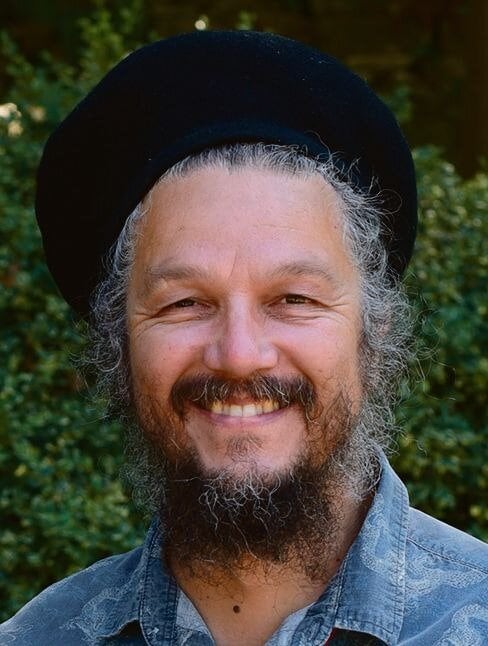
Whakatāne Mayor Nandor Tanczos said borrowing to pay for an operating shortfall would only lead to higher rates in the future. Photo / LDR
Option 1 – Rates focused: Reduce the average rate increase by 1.7% (reduced from 9.4% to 7.7%).
Option 2 – Balance Budget Focus: Reduce the operating deficit (maintain average rate increase of 9.4% and apply 1.7% to reduce operating deficit).
Option 3 –Balanced Budget with contingency: Reduce the operating deficit and create a contingency (average rate increase of 9.4% and apply 1% to operating deficit and 0.7% to a managed contingency fund).
Option 4 – Mixed application: Reduce the average rate increase and and remaining 0.7% applied to reduce operating deficit).
This was the third planning meeting at which staff briefed elected members on budget matters and sought guidance on options before approving the draft Annual Plan Budget on March 5.
The savings were found after the council asked staff to “leave no stone unturned” in seeking cost reductions at a meeting on December 4.
The Long-term Plan 2024-2034 had indicated the need for an overall 9.4% revenue increase from rates for the 2026-2027 year.
As well as reductions in operating costs and increases to fees and charges, the $1.35 million reduction included a $725,000 reduction because of projected lowering of inflation.
Finance general manager Paul Davidson suggested holding $700,000 in a contingency fund to cover any unexpected inflation costs, with anything left being put towards balancing the budget at the end of the term.
The savings also included reducing full-time equivalent employees by 16 compared to those approved for year three of the Long-term Plan in 2024.
This included removing 13 planned new full-time equivalent roles and removing roles in which the positions are currently vacant.
The vacant roles that would not be filled included an archivist, an environmental planner, a role in consent renewal, a business analyst, an animal control officer, a project support officer and a visitor information officer.
Three new roles had been added in legal services, finance and transitioning to Local Waters Done Well.
Davidson said the savings would have affected the time period within which the council would return to a balanced operating budget.
However, a recent roading review that significantly increased the value of the council’s roading assets meant that depreciation had to be increased on those assets.
This extra cost set the time period back to where it was previously tracking.
Option 3, to put $1 million towards balancing the budget and $700,000 into a contingency fund, was favoured by six of the 11 elected members, with two others stating that they were as yet unsure but were leaning that way.
Councillor Andrew Iles was alone in selecting option 1 which would put the entire amount towards reducing rates.
“People are still hurting out there. We need to keep on top of our costs better.”
Crs Gavin Dennis and Wilson James were in favour of option 2, to put the whole amount towards balancing the budget without any contingency fund.
Other budget considerations to be discussed further at the meeting on March 5 are the Rex Morpeth project; changes to the waste disposal levy; the i-Site, which was discussed at a public excluded session on Wednesday; new license plate recognition technology for parking control; and dredging to improve access to the Whakatāne Yacht Club.
LDR is local body journalism co-funded by RNZ and NZ On Air.

0 comments
Leave a Comment
You must be logged in to make a comment.