


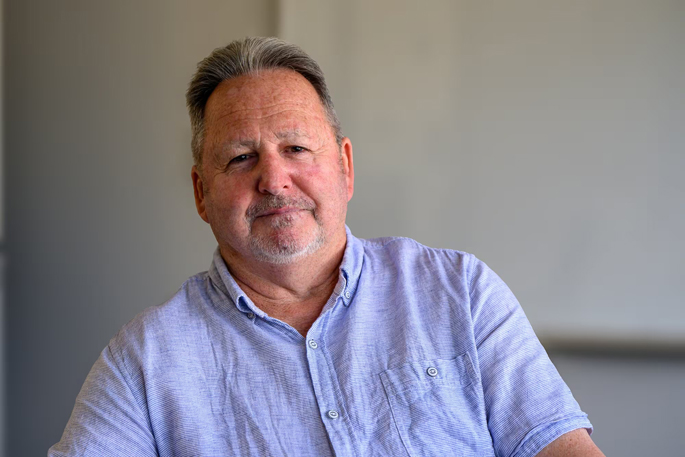
Pāpāmoa man Ray Le Prou has twice been diagnosed with skin cancer.
The 72-year-old said he had worked outside “all my life” and had been getting yearly skin checks for the past 30 years.
In November 2024, a biopsy confirmed that a mole under his left eye was cancerous.
He had cancelled his health insurance two years beforehand due to “exorbitant” premiums.
Le Prou said a Tauranga skin cancer centre quoted him $15,000 for the removal of the basal cell carcinoma cancer.
He said Mohs treatment was recommended for the face. This involved taking matter from the area and putting it under a microscope so they could “work out how much to cut out”.
The alternative was making “a big hole” and extracting “probably a lot of good tissue as well as the cancerous tissue”, he said.
“It’s quite invasive surgery ... whereas the Mohs is almost like plastic surgery. It’s very delicate, but you’re in the surgery there for a whole day while they analyse every little piece that they take out.”
Le Prou said he was not prepared to pay $15,000 for Mohs treatment in New Zealand and explored other options, including a $12,000 quote in Bangkok.
He did not want to get surgery in hospital because it did not offer Mohs treatment, and he would have been put on a waitlist.
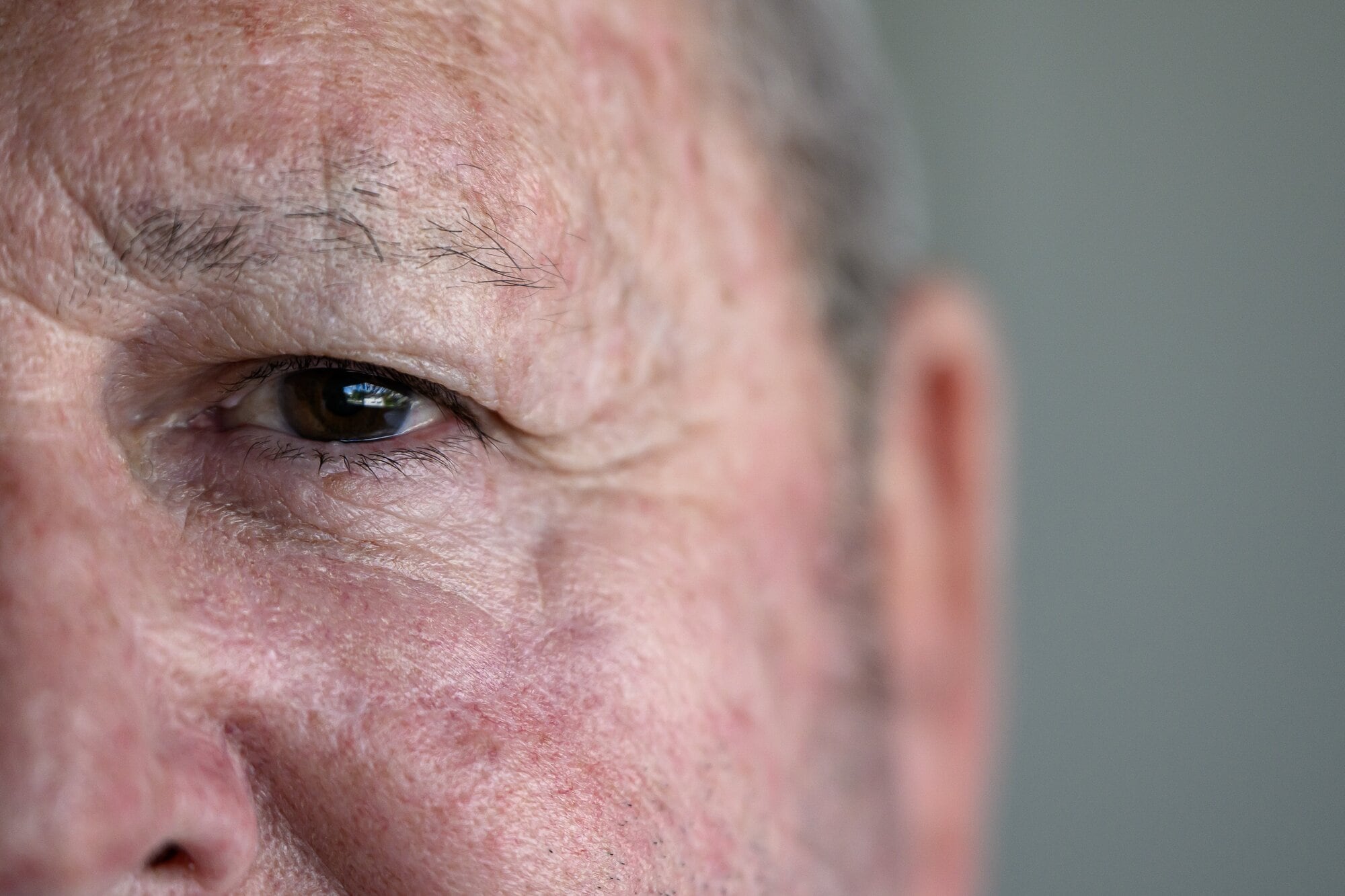
Pāpāmoa man Ray Le Prou had a cancerous mole removed under his left eye. Photo / David Hall
“Because it was so close to my left eye, I just didn’t want to lose the eyesight in my eye.”
In April, he opted for surgery without Mohs treatment, which cost about $3000.
“The job, though it was completed, was not that satisfactory.
“If I’d had Mohs, it would have been a lot better aesthetically.”
Le Prou said he had a mole removed from his back this year, which cost $800.
He encouraged people to “cover up”, use sunscreen, get yearly skin checks and buy health insurance.
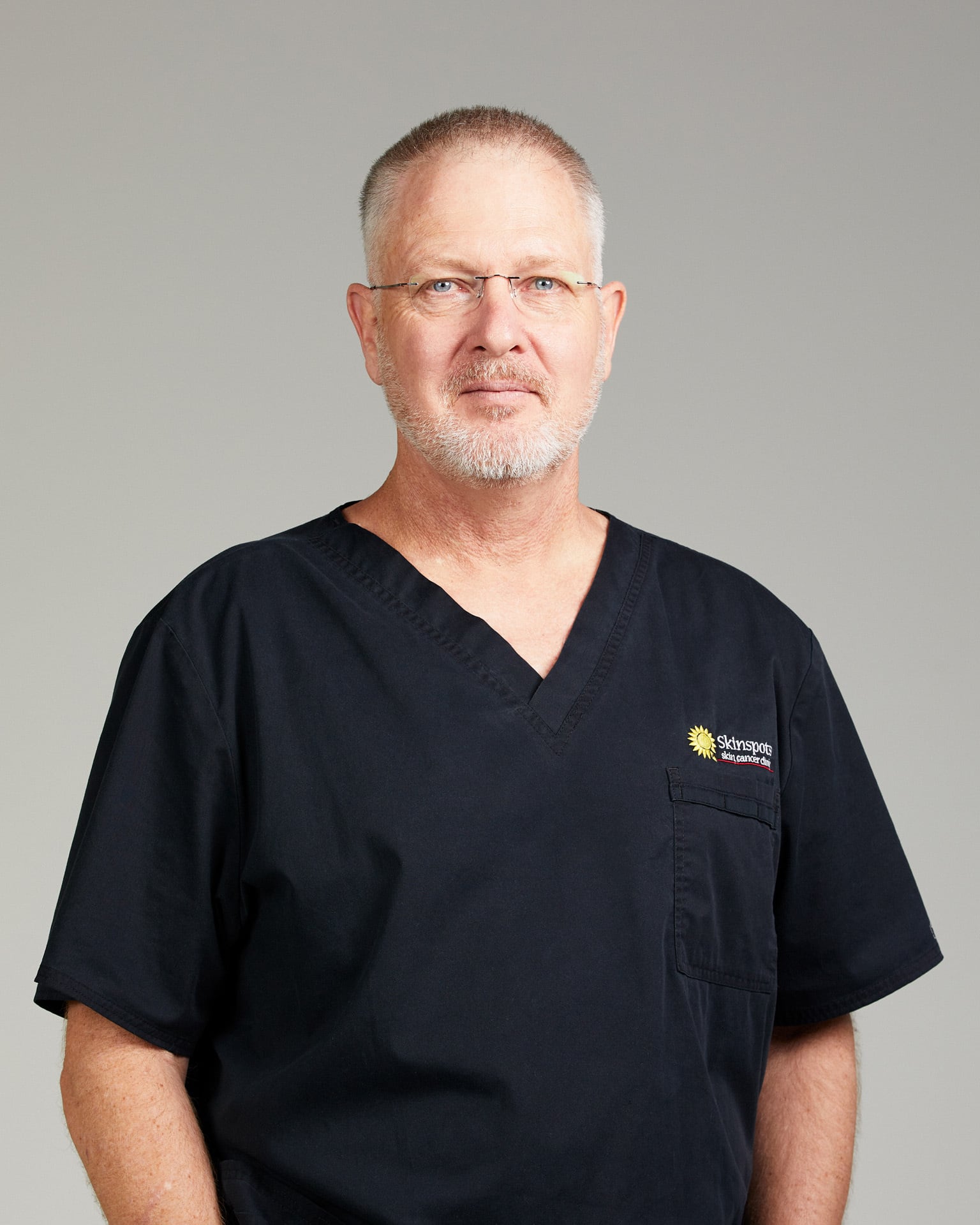
Skinspots founder and MoleMap chief medical officer for New Zealand Dr Franz Strydom. Photo / Supplied
Skinspots founder Dr Franz Strydom said skin cancer was a chronic disease.
“Once you’ve got one skin cancer, you’re very likely to have more.”
To prevent skin cancer, Strydom recommended to “never trust just sunscreen”.
“The better way to avoid it is to put something between you and the sun, and that’s normally UV protective clothing or a sunshade or an umbrella ... that’s far more effective.”
A Cancer Society Waikato/Bay of Plenty statement said about one in three New Zealanders would get cancer in their lifetime.
It said 80% of cancers in New Zealand were skin cancer.
“The good news is that most skin cancers [about 90%] are preventable with sun protection.
“As we head into summer, it’s more important than ever to slip on protective clothing and slip into some shade, slop on broad‑spectrum SPF 30+ sunscreen, slap on a wide-brimmed hat, and wrap on some sunnies when the UV index is 3 or above, even on cooler or cloudy days.”
Early detection of skin cancer could lead to more effective treatment.
“Check your skin regularly and see a health practitioner trained in melanoma detection if you notice any new or changing spots, moles or freckles.”
This could be a GP, nurse, or specialist such as a dermatologist, surgeon or plastic surgeon.
“Early detection saves lives. Together, we can make a difference through prevention, awareness and early action.”
Data received from Health New Zealand Te Whatu Ora under the Official Information Act showed there were 98 patients on the cancer lesion surgery waitlist at Tauranga Hospital as of October 1.
The average wait time for skin cancer surgery between January 1 and September 30 was 39 days.
Health NZ’s faster access to cancer treatment directive was the agency’s target for 90% of patients to receive cancer management within 31 days of the decision to treat.
For the quarter ending in June 2025, the Bay of Plenty region was at 91.9%, compared with 86.3% nationally.
In July, the Western Bay of Plenty Primary Health Organisation (PHO) implemented a funding change for skin cancer patients – those who were not Community Services Card holders or did not have a suspected melanoma lesion would be referred to the hospital for treatment.
Previously, all patients, regardless of community card status, could access community-based treatment for lesions that met the eligibility criteria.
The PHO said at the time it was in response to growing demand driven by population growth and high rates of skin cancer, while the Skin Lesion Service continued to operate within the same fixed budget.
Megan Wilson is a health and general news reporter for the Bay of Plenty Times and Rotorua Daily Post. She has been a journalist since 2021.

1 comment
Agreed
Posted on 31-12-2025 10:32 | By Kancho
Having had a serious life threatening skin cancer it's important to get checked and especially if any changes in skin not healing or any lumps etc. A note that MOhs surgery is great for the best result but not absolute. The best is to get in with treatment even if good looks are at risk as your life trumps looks anyway . My advice is be over cautious and don't delay getting professional assessment and keep self monitoring and also partner etc for areas like back etc that can't be seen.
Leave a Comment
You must be logged in to make a comment.