


Fake news, misinformation and conspiracy theories are threatening to derail the country's COVID-19 response and impede progress to alert level 1.
The government has sounded a strong warning after revealing people linked to the Mt Roskill church cluster were sceptical about the seriousness of the pandemic - while a researcher is raising the alarm about far-right groups and fringe political leaders also entering the fray.
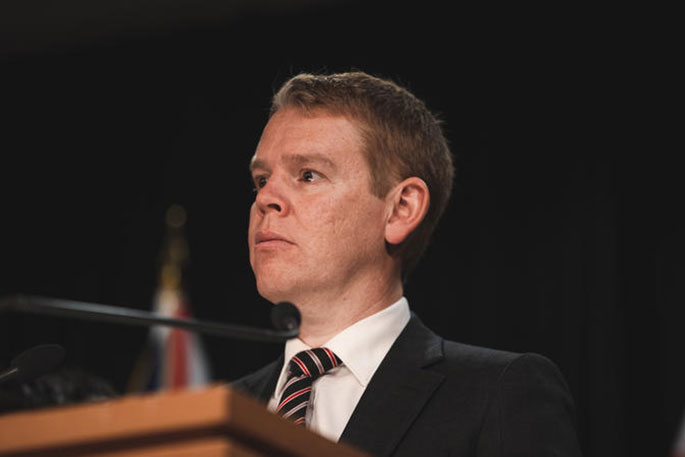
Minister of Health Chris Hipkins fronted Thursday afternoon's COVID-19 briefing with a plea to "think twice before sharing information that can't be verified".
He says looking overseas, it's plain to see the coronavirus is "very, very real" and "very, very deadly", with no vaccine - and while he wanted a co-operative approach, he did not rule out punitive measures for people who continue to deliberately spread lies.
It follows warnings that some church groups are facing a battle to deter the spread of false information among their communities.
Sociologist Paul Spoonley had his eye on tertiary institutions and groups with far-right views setting up on campuses who were "talking to those suggestible, who are keen to hear about alternative views".
"They are certainly spreading misinformation about various aspects of the pandemic and who is behind it," he says.
The other source of rumours that worried Spoonley is fringe political leaders.
"I do think that there's been a migration from views that are typically held by a very small minority of New Zealand, now into the public domain. Views that I would expect to see among the extreme right ... are beginning to be repeated by parties seeking the political image."
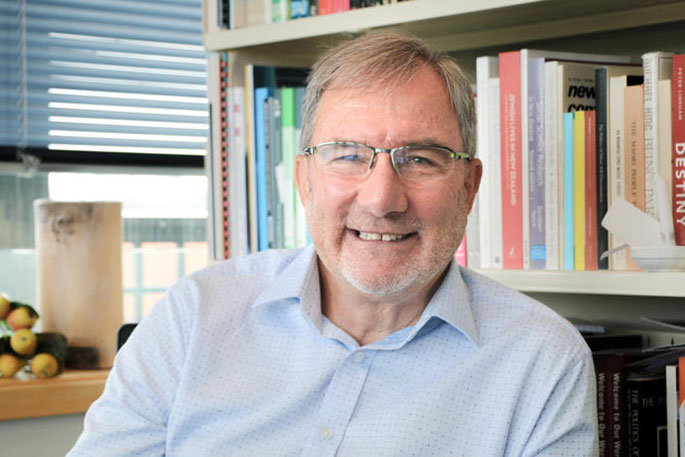 Paul Spoonley. Photo: RNZ/Katie Scotcher.
Among those on his radar is Advance New Zealand co-leader Billy Te Kahika, who is reported to have been telling his followers the government planned the most recent Auckland lockdown in advance.
On its Facebook page, his party has used quotes from epidemiologist Dr Simon Thornley, who does not believe lockdowns are the right response to the pandemic.
Dr Thornley says his views did not make him politically aligned or a believer of conspiracy theories.
"I'm guided by the science. The politics of it is not something for me to comment on. But I do strongly believe that government policy should be guided by the science. We're learning a lot in a short space of time with this virus."
New Zealand Union of Students' Associations national president Isabella Lenihan-Ikin is confident students have the skills to know verified information when they saw it.
Universities are putting out regular, updated public health information students trusted, she says.
"But I think more work can be done to inform not only students but the wider public on how to counter that misinformation, because we haven't seen that escalation or challenging process being advertised I don't think."
That view is shared by M Dentith, a conspiracy theory researcher at the University of Waikato.
Dentith says just last year the University of Auckland had allowed white supremacist information to spread on campus and initially defended its position on the right to free speech.
"Many universities have simply gone: 'Students are old enough to be able to make their own decisions. We don't need to step in'.
"I think that's the wrong response because in many situations people aren't aware of what the campaigns do, how they work or who they're trying to target. Universities should have a more paternalistic view."
Hipkins says everyone has the right to be sceptical and hold their own views but equally, everyone has a right to be safe.
He urges people to play their part in drowning out COVID-19 misinformation by sharing the right information.

0 comments
Leave a Comment
You must be logged in to make a comment.