


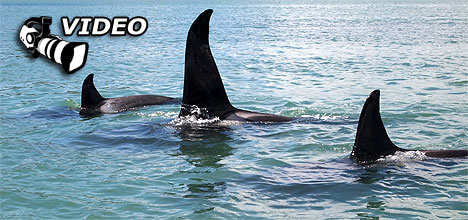
Orca sighted off The Strand and in Rangataua Bay early Tuesday are a bad sign for the stingray population of Tauranga harbour.
Orca sighted in Whitianga at the weekend. See video below of them filmed from a boat travelling at about five knots. These orca were hunting stingrays at the time and it appeared they were using the boat as part of their hunting strategy. There were about 10 in the pod, including 4-5 calves, just on high tide. In the bay there were 40-50 stingray crammed into the shallows, some in a few inches of water; looking very nervous.
This pod is the third orca sighting in the harbour over the last few days and New Zealand orca expert Dr Ingrid Visser says the pressure on the stingray population won't let up for a couple of weeks yet.
'Rays are a bit like orca chocolate, they absolutely love rays,” says Ingrid.
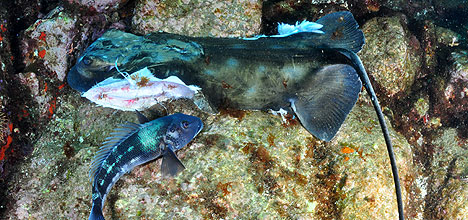
This stingray was attacked by an Orca. Photo by Shane Wasik. www.shanewasik.com
It does mean shallow bays will become gathering places for nervous stingrays, like the large stingray recently seen near the beach in Pilot Bay.
'That's probably why he's been hanging round in Pilot Bay, because he's trying to get up in a shallow place away from the orca,” says Ingrid.
'Orca will hunt at any tide, it doesn't make any difference to them. They're after the rays and of course the rays go in shallow water.”
There should be more orca heading for Tauranga over the next few days, says Ingrid.
And they should keep coming for the next couple of weeks.
'I'd give it another week and a half, two weeks,” says Ingrid.
'The animals, they don't migrate round New Zealand, but they are just heading that way at the moment. It's entirely possible you will get them heading back up here in another couple of weeks.
'It's got nothing to do with the water temperature, they are only there for the rays. You find orca in the tropics and down in Antarctica, so it's not actually the water temperature.”
Orca travel in family groups, but not always in the same group.
'The thing about sizes with the groups is they change relatively frequently. They are what's called a fission-fusion society, they sort of come together, then they come apart.
'So the groups are changing size all the time, but I do know the individuals.”
Ingrid asks people who see them to call her on 0800 SEEORCA.

2 comments
Amazing!
Posted on 30-11-2010 13:55 | By bryceh
Nature at it's best! I still can't believe that there are people in this world that would willingly hunt and kill something like this.
Posted on 01-12-2010 10:29 | By upandcomingjourno
and that there are people in this world who keep these mammals in captivity. I would pay NOT to go to Seaworld. Its not a "seaworld" its an "I should be in the sea-world"
Leave a Comment
You must be logged in to make a comment.