


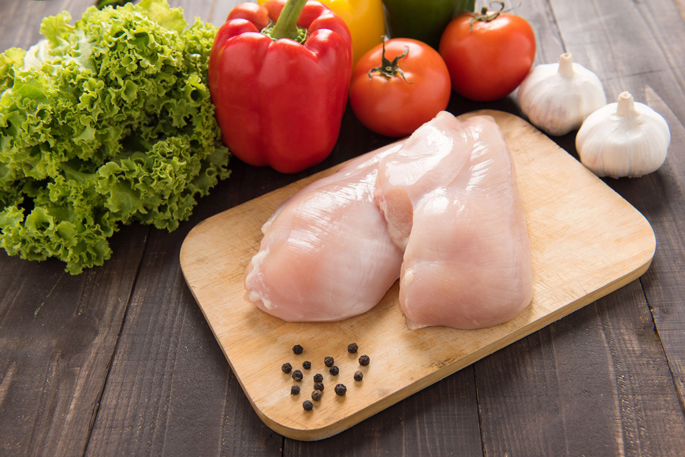
People are urged to stop washing raw chicken, with food safety experts warning the common kitchen habit can increase the risk of serious foodborne illness.
New Zealand Food Safety (NZFS) deputy director-general Vincent Arbuckle said many people mistakenly believe rinsing chicken under the tap makes it safer to eat.
“Our research shows many people incorrectly think washing raw chicken makes it safer to eat, but that’s a myth,” Arbuckle said in an MPI statement.
“In fact, washing chicken increases the risk of getting sick.”
He said rinsing raw chicken can spread bacteria such as campylobacter in water droplets on to sinks, benches, utensils and other foods around the kitchen.
The warning comes as NZFS research reveals the practice remains widespread.
The latest Consumer Food Safety Insights Survey found 67% of people who prepare chicken say they wash it either sometimes or always, while only 21% fully agree that chicken should not be washed.
Campylobacter is the bacteria responsible for campylobacteriosis, one of New Zealand’s most commonly reported foodborne illnesses.
In 2024, there were 3750 domestically acquired cases reported across the country.
Raw or undercooked chicken is the most common source of the illness.
Symptoms can include diarrhoea, fever, headaches, muscle aches, abdominal pain and vomiting, and in severe cases may last up to two weeks. Young children, older people, pregnant women and those with weakened immune systems face a higher risk of hospitalisation.
NZFS said work to improve food safety has helped cut foodborne campylobacteriosis cases by more than 70% between 2006 and 2024.
The agency is now aiming to reduce the rate by a further 15% by 2030, lowering cases from 76 to 65 per 100,000 people.
As barbecue season approaches and more people gather to share meals, Arbuckle says simple food handling practices can help keep family and friends safe.
Key food safety advice includes washing hands thoroughly with soap after handling raw chicken, keeping raw meat separate from ready-to-eat foods, using separate utensils and chopping boards for raw and cooked chicken, and ensuring chicken is cooked through to at least 75C.
For barbecue cooks, NZFS recommends turning chicken regularly to ensure even cooking and bringing any leftover marinade to the boil before using it on cooked food.
The agency also advises against leaving chicken out in warm temperatures before or after cooking.
More information is available in NZFS’ Food Safety in the Home booklet, which the agency describes as a useful year-round guide for household kitchens.

0 comments
Leave a Comment
You must be logged in to make a comment.