


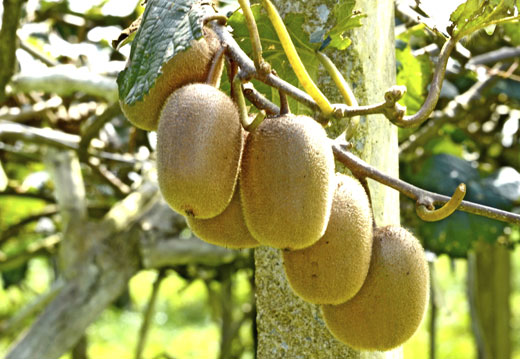
Kiwifruit growers have until March 20 to vote in a referendum designed to help shape their industry's future and protect it from 'self-interested investors”.
'We are encouraging all growers to have their say on the future of their industry and we are confident of a strong voter turnout,” says Peter Ombler of Tauranga, a grower member of the Kiwifruit Industry Strategy Project which has formulated the referendum questions.
Voting for the referendum closes on March 20.
An information brochure sent to growers encouraging them to vote says: 'Together we own a valuable, dynamic and progressive industry.
'We need solid grower support for these recommendations to protect our industry from those parties, including foreign investors, determined to pursue self-interest at the expense of delivering sustainable long-term wealth to New Zealand kiwifruit growers”.
The recommendations are a package that will 'address longstanding tensions within the industry. However, most importantly, they are a future-focused package designed to strengthen long-term grower ownership and control of the New Zealand kiwifruit industry,” the brochure reads.
However, not everyone is in favour of the KISP proposals. Independent Kiwifruit Growers Inc has taken a full-page advertisement in a local paper urging growers to vote 'no” in the referendum and to petition the Minister for Primary Industries for a one share per one tray of fruit supplied.
'IKGA is not seeking the removal of the SE – it wants the SPE to work better for growers” the advertisement reads.
It's the first time in 25 years that growers have had the opportunity to vote on control and ownership of the New Zealand kiwifruit industry and Peter says the referendum is designed to future-proof the industry for the next generation of growers.
'We are not dealing with a broken wheel in the current industry structure but it is time to take a look at it and prepare for the future,” Peter adds. 'Personally I want to ensure the next generation can enjoy the industry in the way that I have.”
Growers are asked to vote on the recommendations developed by growers for growers over the past 18 months in three rounds of grower consultation, more than 80 grower and industry meetings, and in excess of 650 submissions.
Peter says support for the industry's single point of entry marketing structure, as operated by Zespri, appears to be almost universal. Under that structure only Zespri can export New Zealand-grown kiwifruit to the world. The exception is Australia, where other exporters can send fruit.
However, changes to Zespri ownership and shareholding have created debate.
Peter says: 'The issue is complex and we are being questioned about it at road shows. Once the proposal is explained, most people seem happy with it.”
Current regulations permit orchardists who have sold their orchards to retain shares, referred to as 'dry shares” and growers who have sold some of their orchards, to hold more shares than their tray production.
The referendum proposes asking the government for regulatory changes to alter Zespri's ownership structure and allowing a transition period for that to happen.
'Growers who are over-shared or hold dry shares have done nothing wrong and we can't ignore their rights,” says Peter.
'However, through the KISP process, I think a workable compromise has been proposed.”
While he's confident of a strong voter turnout, Peter thinks there's a risk growers may forget to vote, or not feel motivated to do so.
'There's a trend in rural referendum for a low voter turnout when times are good, and currently returns to kiwifruit growers are good,” he adds.
'While no figure has been put on votes, a result in excess of 50 per cent is to be hoped for.”
The results of the referendum should be known by the end of March or early April, but full implementation of recommendations which receive grower support won't happen for several months.
The proposed changes to Zespri ownership have to be voted on at its next AGM. Some changes need government approval, but others will be handled internally by the industry.

0 comments
Leave a Comment
You must be logged in to make a comment.