


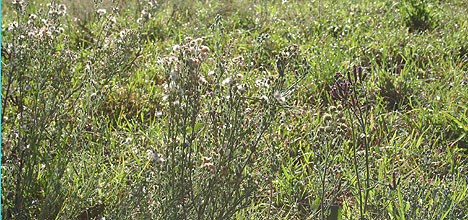
Recent work in the Lake Rotorua and Lake Okareka catchments suggests gorse could be contributing large amounts of nitrogen to these lakes each year.
Bay of Plenty Regional Council suspects this is having a negative impact on water quality.
It suspects controlling gorse could help protect water quality, and listing gorse as a ‘containment' pest would ensure rules were in place to control gorse on all properties in the catchment area.
In the council's draft regional pest management strategy, two options are proposed for a new gorse control rule in the Lake Okareka and Lake Rotorua catchments.
Option one requires landowners and occupiers to destroy all gorse on land in the Rotorua and Okareka catchments. This ensures gorse is actively controlled in the catchments, preventing negative impacts on water quality. However, this could be expensive for individual landowners, and the real benefits to water quality depends on what the land is used for after the gorse is removed.
Option two requires landowners and occupiers to control all gorse on land in the Rotorua and Okareka catchments. This includes the natural or managed replacement of gorse with native plants, or planting tree crops on infested land. Option two will cost landowners less, however, water quality benefits may not be realised for many years.
The Regional Council wants to know what residents think of these options and is hosting open days in Rotorua and Okareka to discuss both gorse control options.
Ngongotaha Bowling Club, Rotorua.
Thursday November 11, from 10am to 2pm.
Okareka Town Hall.
Friday November 12, from 4.30pm to 8pm.

0 comments
Leave a Comment
You must be logged in to make a comment.