


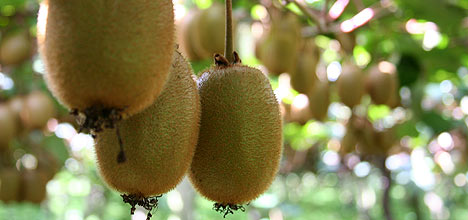
Environment BOP is concerned about the damage reject kiwifruit may do and is encouraging orchardists to dispose of these fruit appropriately.
The regional council's pest plant officer Des Pooley says many farmers are especially keen to use this fruit as stock feed, and it's great to see the fruit used.
"Farmers need to be aware, however, that kiwifruit can spread into our local environment and cause a serious pest problem."
Wild kiwifruit is classified as a total control pest plant in Environment Bay of Plenty's regional pest management strategy. This means landowners are required to control any naturalised or unmanaged plants found on their property.
If undetected, wild kiwifruit can establish and spread into native bush. It has the potential to become as bad as old man's beard, a vigorous plant known for smothering large areas of native forest remnants.
"A number of birds, particularly waxeyes, find the fruit an easy food source. The seeds are spread far and wide in their droppings. Each fruit contains approximately 1100 seeds so the potential for its spread is substantial."
Des is encouraging farmers, orchardists and packhouse workers to cover stockpiles of reject kiwifruit.
"The use of windmesh or similar materials are ideal for this.
"Secondly, when the fruit is fed out in the field, only feed the quantity that stock are able to consume.
"By carrying out these simple precautions, birds are less likely to spread viable seed in their droppings which will reduce the likelihood of further wild kiwifruit infestations."

0 comments
Leave a Comment
You must be logged in to make a comment.