


A Tauranga mother believes a police endorsed programme teaching children to recognise abuse is too graphic after her five-year-old became afraid to sleep in his own bed.
The mother, who does not wish to be named, says her child has slept in her bed every night since his class went through the Keeping Ourselves Safe programme at Otumoetai Primary School.
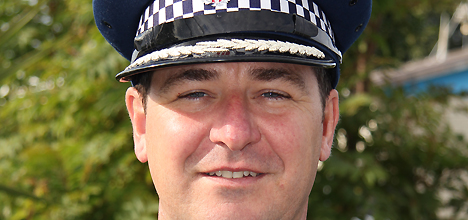
Clifford Paxton says the purpose of Keeping Ourselves Safe is to give students the skills to keep themselves safe in their interactions with other people.
She says the children were asked during the programme how they would feel if the babysitter touched them inappropriately.
'I personally think it is way too detailed. They're even asked in class why would a little boy have a sore bottom and also wanting us to talk to them about how they'd feel if they got a hug that was too tight and a big sloppy kiss.”
She understands child abuse is something that needs addressing – but is worried the current programme is too graphic for primary school-aged children.
'They're putting a fear in the children. My child's not the only one who is having nightmares and is quite terrified of it.
'Don't put ideas in their heads of what could be wrong.”
Otumoetai Primary School runs the programme every three years as part of the school's health programme.
Principal Geoff Opie is aware some parents think the vocabulary used in the Year 1 and 2 programme is 'too specific”.
'Their views have been heard and considered in a special parents meeting. Only one of the parents who raised concerns attended the first parent meeting which was open to all parents prior to the programme beginning.”
He says the school, just like every school, goes through a consultation process with the community to address its health curriculum.
Western Bay of Plenty Area Commander Inspector Clifford Paxton says since its introduction in the early 1980s, the programme has been revised to ensure the programme meets the current dangers children are exposed to today.
'This approach is regarded as one of the programme's strengths. Just as society has changed since the 1980s, the programme has also been continuously improved and updated to keep pace with this and to reflect best practice.”
Clifford says all materials used within the programme are written by experienced teachers, health educators, school counsellors, and school community officers – under the direction of research and evaluations by professor Freda Briggs.
He says it is common for parents to be concerned about aspects of the programme and understands they are looking out for the best interest of their child.
'We reassure parents and caregivers that all of the research into the reactions of children involved in KOS to date has revealed no significant negative effects, and in fact indicates that children's' views of the programme are typically positive and not reflective of their parents' perceptions.”
KOS is taught in a 'matter-of-fact and positive way” in a safe supportive class environment, and in an age-appropriate manner, says Clifford.
He says the purpose of the KOS programme is to give students the skills to keep themselves safe in their interactions with other people and encourage any who are being, or have been abused, to seek help. But it is not sex education, says Clifford.
'They are taught to recognise behaviour that makes them feel unsafe, frightened, and uncomfortable, or that is inappropriate.
'They can learn that behaviour from anyone, known or unknown, of any age, background or gender.”
Programmes are available for all primary, intermediate and college students.

1 comment
I went there.
Posted on 22-06-2013 12:28 | By The author of this comment has been removed.
I went to Otumoetai Primary many years ago, I'm sure we were never asked graphic questions like that. We were just given the emergency number and told to call them if we were ever in trouble. They taught us about stranger danger, but never anything like this and I grew up just fine!
Leave a Comment
You must be logged in to make a comment.