


My small sunny deck is covered in seed trays, and I love it.
To me, it is the start of the growing season, and I am busy sowing seeds and planting seedlings.
While still early in the season, I have all my onions in the ground, and have planted a lot this year of brown and red.
I am still using my brown onions from last season that I braided and hung from my verandah.
I am obsessed with caramelised onions, and if you have never made them before, find a recipe. You won’t be disappointed.
My early crop of potatoes is doing well, and managed to avoid the frost during a cold snap.
It was the first one in 12 years, so there is something for living on an elevated site.
My peas are fattening up; I have an overabundance of citrus, plenty of spinach, a good crop of coriander and parsley, am picking cauliflower and broccoli and still have the odd leek to use in soup.
It won’t be long, and I’ll chop and drop my winter crop.
It is a bit hard at the moment, with the calendulas making such a show.
I have planted my tomato seeds in seed trays, with a selection of chillies and capsicums.
After my success with my tamarillo tree, I am keen to plant a second tree with a passionfruit that I have been growing from seed, so a bit of work is needed over the next month or so to clear and build a growing frame for the passionfruit.
An update on my garlic that I planted in a pot – so far, no rust.
I ran a cooking class on Saturday, as I am always keen to encourage people to grow a vegetable garden, how to use what they grow and use it productively.
Most who attended did not have a vegetable garden, citing space and lack of time as the reasons.
If you are restricted by space for a vegetable garden, the best way to make the most of your limited patch is to plant the highest-return vegetables.
For instance, if you want fresh potatoes and don’t have space, one of the best ideas I have seen is a potato box.
You add your soil, starting at the base and plant your seed potatoes with the sprouts pointing upwards.
As the potatoes grow, add more dirt, leaving a few leaves poking out the top.
Continue adding soil as the potatoes grow, taking the soil to the top – this is called hilling.
This method should yield potatoes all along the buried stems.
To remove them from the box, pull the latch, open the door, and dig them out.
 If you want fresh potatoes and don’t have space, a potato box is a great way to grow. Photo / Kem Ormond
Consider what you could grow up a trellis, against a fence, or up a stake and what you want to grow in the limited space available.
Firstly, microgreens are great as they are so easy to grow, and a sunny spot in your kitchen is ideal.
Spring onions are another crop to plant all year round.
Standard tomatoes use little space as they can be trained on a stake.
You need to make sure you keep them well-trimmed.
Planting them staked up against a boundary fence means you can plant lettuces in front of them.
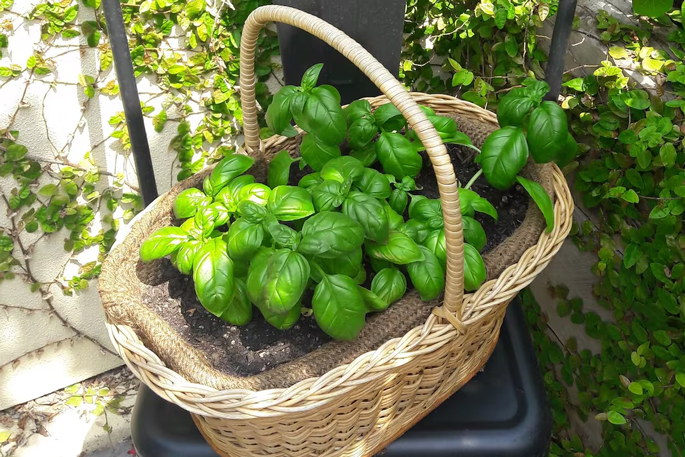
Peppers and chillies can be staked for support, while spare space in the garden can be filled with herbs such as basil, coriander, parsley, or chives.
Growing cucumbers up stakes or along netting is another excellent way to save valuable garden space.
Beans can be grown vertically in the same way.
If you have room, a permanent bean fence is a worthwhile investment.
As well as supporting beans, it can be used for peas, which thrive when given something to climb.
If you enjoy rhubarb, it is excellent value.
Once established, it requires little attention and doesn’t interfere with the crops planted around it.
Herbs can be grown in hanging baskets, lettuces planted in pots, and an old wheelbarrow can be transformed into a productive mini garden filled with chives, salad greens, and trailing thyme.
Even if you have limited garden space or are in temporary accommodation, there are plenty of ways to grow fresh produce for your family.
Kem Ormond is a features writer for The Country. She’s also a keen gardener.

0 comments
Leave a Comment
You must be logged in to make a comment.