


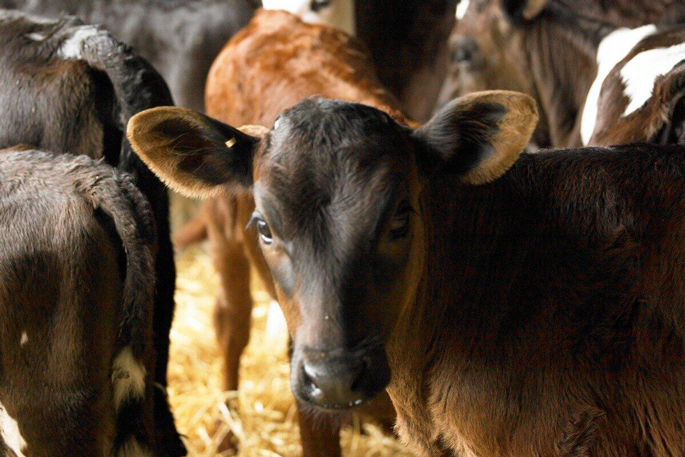
The rising use of animal shelters in New Zealand agriculture coincides with Government changes in animal care legislation.
The National Animal Welfare Advisory Committee (NAWAC), established under the Animal Welfare Act to provide independent advice to the Government, is reviewing existing codes of welfare.
These include dairy and beef cattle, and sheep, to lift and strengthen the codes to address changes in scientific knowledge, good practice, available technology, and the explicit recognition of sentience (capacity for sensation or feeling) in the Animal Welfare Act.
NAWAC released the draft code of welfare for dairy cattle for public consultation in April 2022. The consultation period ran for nine weeks, with 3527 responses received.
The Ministry for Primary Industries (MPI), which serves as the secretariat for NAWAC and also provides its own, independent advice on the code to the Government, says responses were mixed in general.
The code is currently with former Associate Agriculture Minister Nicola Grigg, who has the delegated authority for approval and issuing.

Animal barns are becoming more commonplace on New Zealand farms.
MPI says shelter of animals was one of the key areas focused on in the review of the code of welfare for dairy cattle, with body condition score (BCS), winter grazing, lying surfaces, limiting time on hard surfaces, calf rearing and end-of-life management.
Barns, feedpads and off-paddock facilities are specifically covered in the code for dairy cattle, with strict minimum standards.
MPI says these rules mandate that facilities must be maintained to prevent injury, ensure animals can lie down comfortably, and provide a clean, dry surface.
Cattle barns must meet certain criteria to comply with animal welfare standards. Failure to do so can lead to compliance notices or prosecution by organisations including the MPI and SPCA.
Industry body DairyNZ says globally, our understanding of animal welfare has evolved.
“Instead of focusing solely on health and production, there is now a broader perspective that considers an animal’s experiences and overall wellbeing,” DairyNZ senior animal care specialist Penny Timmer-Arends says.
“While NZ’s low-cost pasture-based systems generally provide high levels of welfare, very wet or very hot weather can pose challenges.

DairyNZ senior animal care specialist Penny Timmer-Arends says the understanding of animal welfare has evolved.
“Animal housing can help mitigate environmental and animal welfare risks by providing greater flexibility in managing feed and effluent, reducing the reliance on winter crops, protecting pastures, and keeping cows comfortable in inclement weather.
“Across the country, we are seeing more dairy farmers investing in off-paddock systems such as free stall and loose-housed barns,” Penny says.
“Farmers tell us that once they start looking at options, they go on to choose solutions that prioritise cow comfort.”
She says it is important for farmers to know what they want from their system and the trade-offs required to achieve it.
When planning off-paddock infrastructure, Penny recommends thinking about what a cow needs to be content and comfortable. By prioritising cow welfare in the design, farmers can create an environment that supports better health, productivity and overall farm performance.

0 comments
Leave a Comment
You must be logged in to make a comment.