


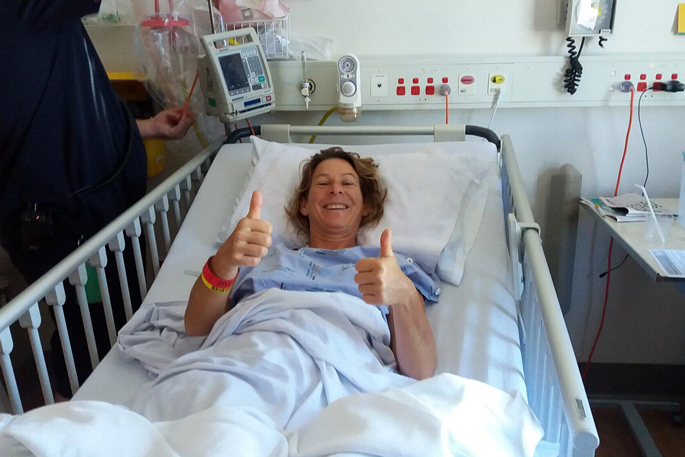
Bay of Plenty Regional councillor Sarah McCorkindale has had a varied and interesting career in the primary industries sector.
A riding accident in 2018 put her into rehabilitation for nearly two years, but she has fought back to regain physical fitness and is now wholeheartedly embracing her regional council role.
Raised in an urban environment but always a keen horse rider, McCorkindale left university with a Bachelor of Horticultural Science, an Honours degree in New Zealand plant ecology, and a Master’s paper in environmental behaviour change.
“I was lucky to be selected as a Landcorp Farm Cadet straight out of uni, which led to working with their high-country grassland group in the South Island,” McCorkindale said.
The self-professed “jack of all trades, master of none” has worked in production and amenity horticulture, a forestry gang, as a horse groom and trainer, in freshwater and marine biosecurity, driven a milk delivery truck, and spent more than 15 years working in environmental engagement and behaviour change projects.
“I am an accredited PRINZ (Public Relations Institute of New Zealand) practitioner and a qualified IAP2 (International Association of Public Participation) facilitator.”
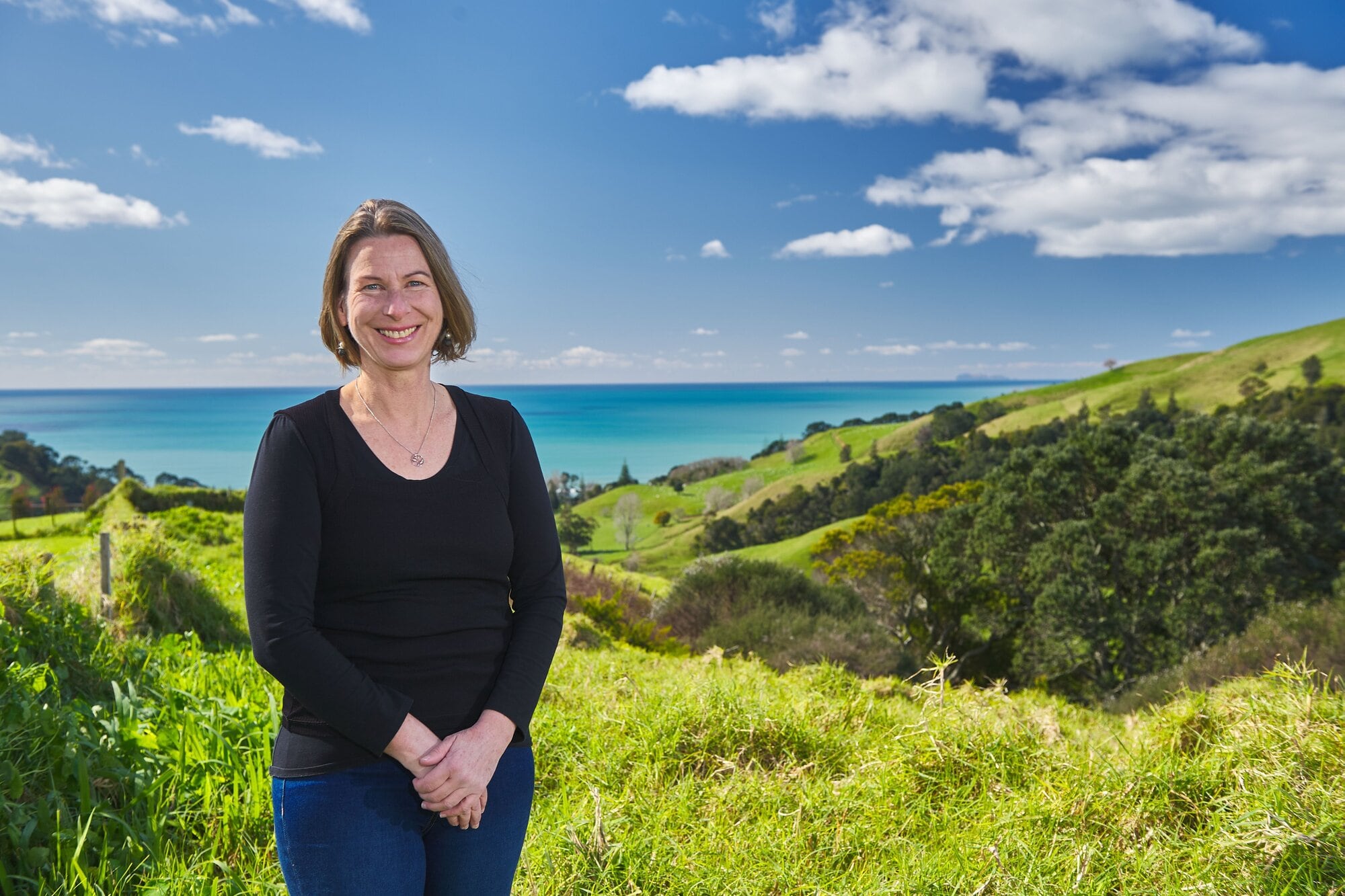
Eastern Bay councillor Sarah McCorkindale. Photo / LDR
She is currently completing a PhD investigating rural environmental issues and how women are experiencing and responding to them.
“I’m interviewing women who are living and working in rural Bay of Plenty and Canterbury. Rural research has traditionally focused on primary production, but today only 25% of rural residents are involved in primary production, and only 15% of women living rurally are working in primary production. So, to be representative of contemporary rural society, research also needs to capture the experiences and actions of those outside primary industries.”
A riding accident
McCorkindale used to run five days a week and was very active in horse riding, skiing, tramping and mountain biking. She has competed in triathlons, marathons, ultramarathons, Ironman, Coast to Coast, adventure racing, cycle touring and other endurance events.
“That lifestyle ended abruptly in May 2018 when I was bucked off a friend’s recently broken-in horse. I flew about seven feet in the air, landed flat on my back, and I couldn’t move my legs.”
A CT scan at Whakatāne Hospital revealed an L1 unstable burst fracture, and she was airlifted to Tauranga Hospital for surgery. Her surgeon said her L1 vertebra was so fragmented it was “like cornflakes and oatmeal”, and the fragments were compressing her spinal cord.
After a posterior stabilisation procedure, McCorkindale regained sensation in her feet and legs.
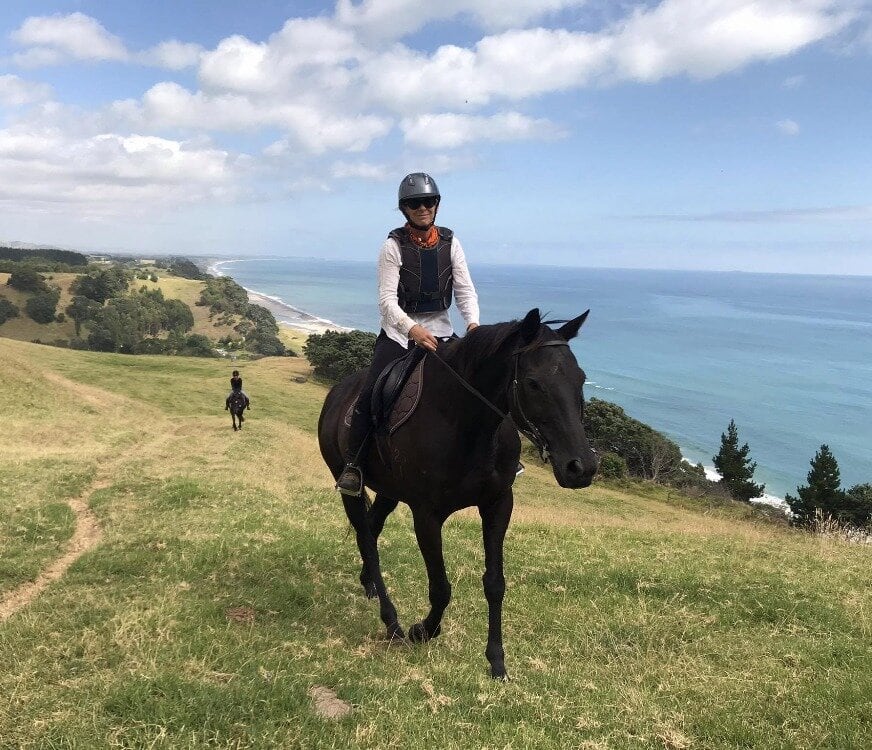
Sarah McCorkindale riding her 24-year-old thoroughbred Boots around Mimiha, near Matata. Photo / Supplied
“I spent three months in bed lying flat on my back for 23 hours a day. My brother, family, friends, and neighbours were amazing. My kids, who were 13 and 17 at the time, really stepped up – though it was very hard on them.
“Rehab was a long haul. Twelve months post-accident, I had another surgery to remove the titanium frame and screws, followed by another six months of rehabilitation.”
The entire process brought significant challenges and learning experiences, mentally and emotionally. The first thing she learned was acceptance, and she chose to cultivate gratitude – treating rehab like a full-time job.
“I started walking, swimming, gentle cycling, Pilates and yoga. Seven years post-accident, I run and walk a four-kilometre bush and farm circuit almost every day. I still mountain bike and ride horses, but with low risk and low impact, and I occasionally compete in small events.”
Regional councillor
In 2025, McCorkindale successfully stood for an Eastern Bay seat on the Bay of Plenty Regional Council, believing her education and varied career meant she was well placed to support rural landowners and managers to improve land, air, and water quality – benefiting both communities and the economy.
“More than 90% of the Bay of Plenty region is rural and under some form of primary production or indigenous forest, so these rural areas are where we will make the biggest gains in environmental quality.”
McCorkindale said the Bay of Plenty Regional Council already has strong incentive and advisory programmes for rural landowners and managers. She would like to see even more resources invested in this work area, alongside the removal of “boulders” that make some environmental improvements difficult.
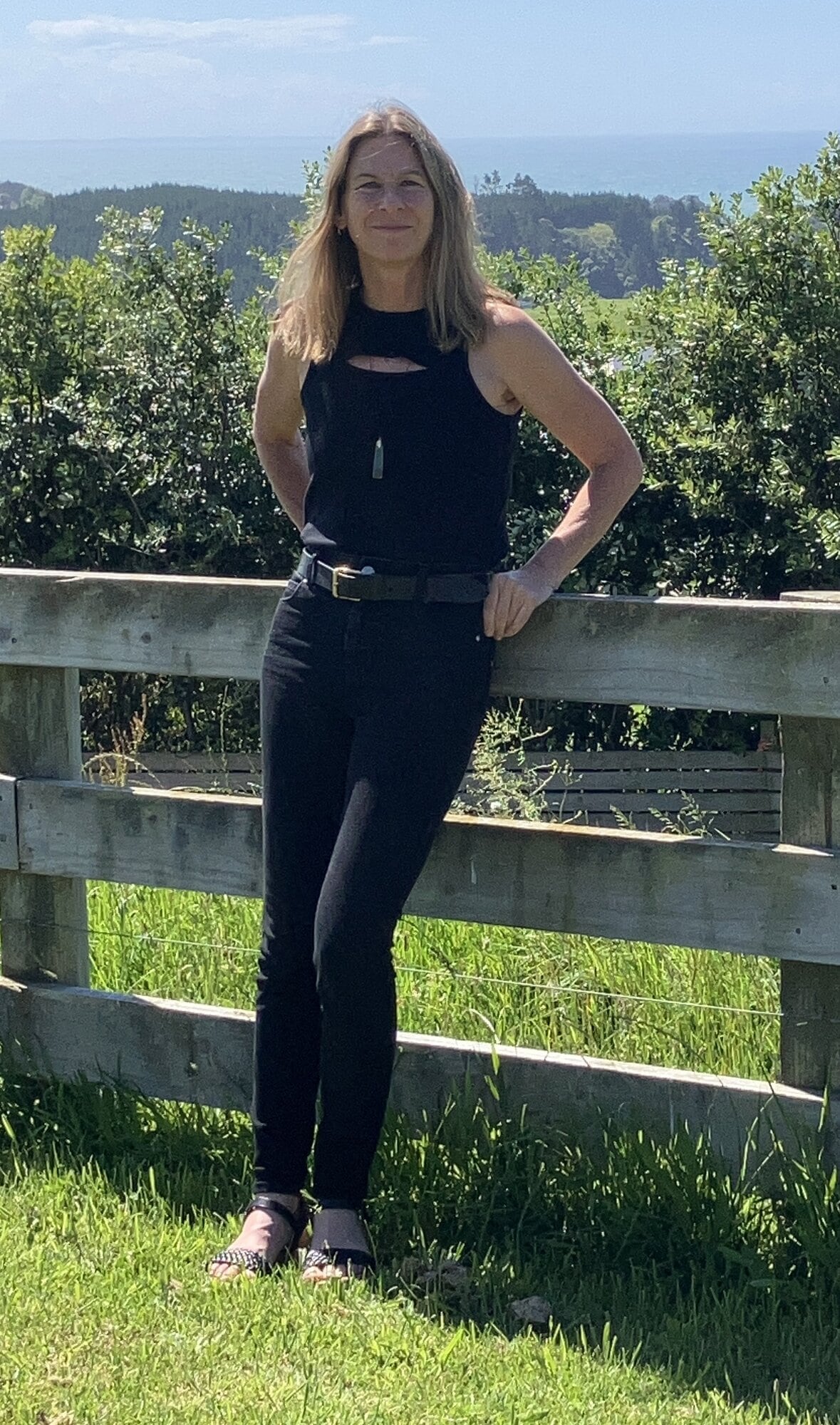
Sarah McCorkindale on her lifestyle property near Matata. Photo / Supplied
“While rules are needed to achieve bottom-line compliance, to achieve improvements beyond the baseline we really need to work in partnership and support mode, regardless of whether the land is iwi, private, council, farms, orchards, or government-owned.”
McCorkindale believes local government has become a “hungry animal” across New Zealand and she wants to contribute to reform that delivers better value for regional and national communities.
“We have to think much longer term about what will be best for the community – and not just this political cycle. Reform should be driven by local views on required functions, rather than blinkered options from central government.”

0 comments
Leave a Comment
You must be logged in to make a comment.