



More children under 12 are ringing Youthline, with its latest figures showing that age group makes up 10% of calls for help.
At the charity’s inaugural youth mental health summit at Parliament yesterday, speakers called for cross-party support and a more connected model of care for young New Zealanders who, since Covid-19, are struggling more than ever.
Youthline runs free services including a helpline, face-to-face counselling, mentoring, and programmes in schools.
Chief executive Shae Ronald said the helpline had 28,000 conversations a year, but demand had been climbing for more than a decade, particularly since the pandemic.
“We had a big jump last year in January, and we’ve had another big jump over the last three months.”
The cases were growing in seriousness, too: the number of rangatahi who were considered very high risk, and requiring emergency intervention, was up to four a day. Ronald said she remembered a time when it was one a week.
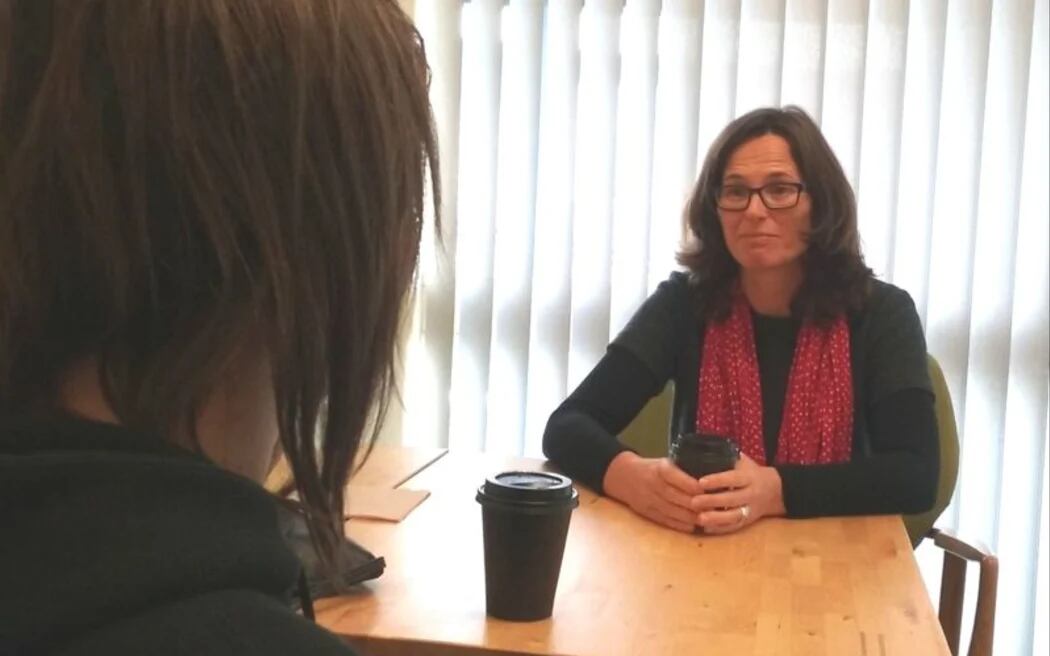
Youthline's Shae Ronald. Photo / RNZ, David Steemson
Today, many young people were battling something she called the “missing middle service gap”.
“Many young people fall into the space where their needs are serious, but do not meet the threshold for urgent or specialist intervention. As a result, they may face long wait lists, limited availability, or uncertainty about where they fit within the system.”
The callers were also getting younger.
“As of last year, 10% of all people contacting Youthline are under 12.”
Australian psychiatrist Pat McGorry said the increase in mental health distress among youths was a global trend, and it could be because of any combination of factors: social media, climate anxiety, the rising cost of living and of buying a house, and notably, Covid-19.
“The younger age groups had a much more precipitous drop in their mental health during the pandemic.
“We think it’s about 25% of the rise over the last 20 years; Covid is responsible for it.”
Mental Health Minister Matt Doocey, who spent time as a Youthline counsellor in the 1980s, expressed envy about the size and scale of Australia’s resources to respond to its mental health crisis.
But McGorry said it wasn’t all smooth sailing.
“I assume it’s the same in New Zealand.
“Life is much more precarious in an economic sense for [young people]. Their futures are clouded in many, many ways. House prices in Australia cost you three times the median income 40 years ago to buy a house. Now it’s 10 times. And rents are proportionally equal.
“And there are students in Western Sydney at the universities who have to choose between buying textbooks and eating. So they have food banks in the universities. Now, how can a society like Australia, one of the richest countries in the world, tolerate that? I mean, it’s just madness.”
Dr Jess Stubbing, a Kiwi clinical psychologist and researcher working in Massachusetts, said New Zealand had yet to see the true peak of the wave.
“I’m seeing more and more younger people, who are coming in at a younger age with really significant need, and a lot of that is young people who were in their very formative early years during Covid, when their families were stressed, the country was stressed, we were all divided, and that affects us, that affects how we grow up.”
She said the New Zealand system was not meeting the current need, and it was definitely not going to meet future needs.
That left a couple of options: to spend money today on an integrated, cohesive mental health system, “or spend ten times that in a decade when those people are adults and need our adult services”.
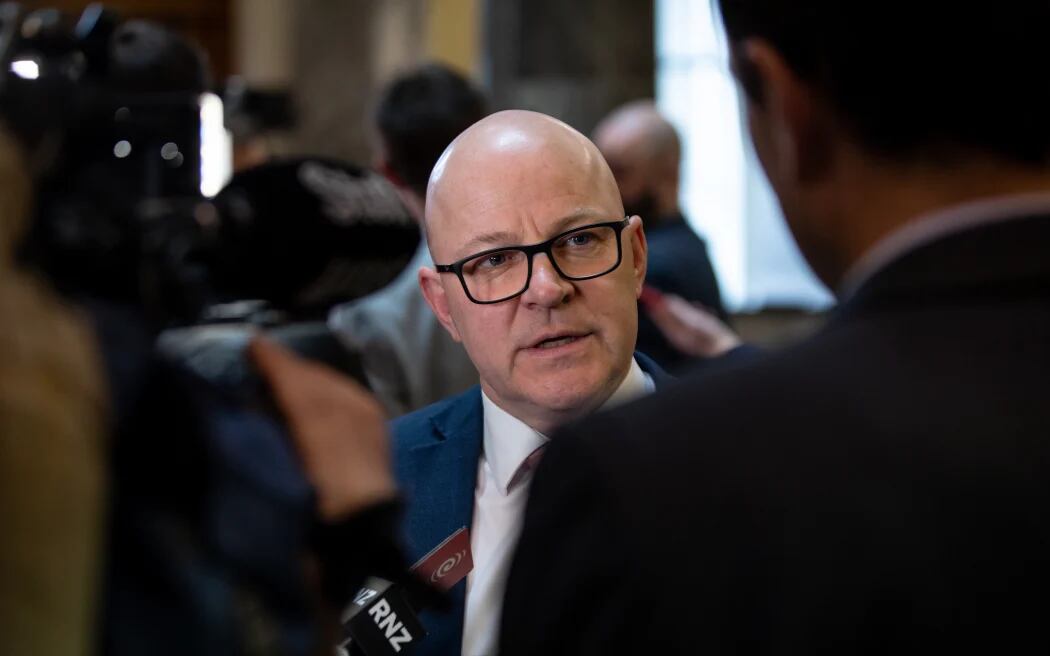
Mental Health Minister Matt Doocey spent time as a Youthline counsellor in the 1980s. Photo / RNZ, Mark Papalii
Doocey said the feedback he frequently received was that the system felt fragmented, with long wait times, unequipped to meet growing demand.
In the past 12 months, an extra 35,000 people accessed support compared with the year before, which he said was largely because of a reduction in workforce vacancies.
A prevalence survey – the first of its kind for mental health and addiction among young people – was set to begin in the coming months, Doocey said.
And while that would take years to start producing data, it was a step in the right direction for a system where the need grew year on year.

0 comments
Leave a Comment
You must be logged in to make a comment.