


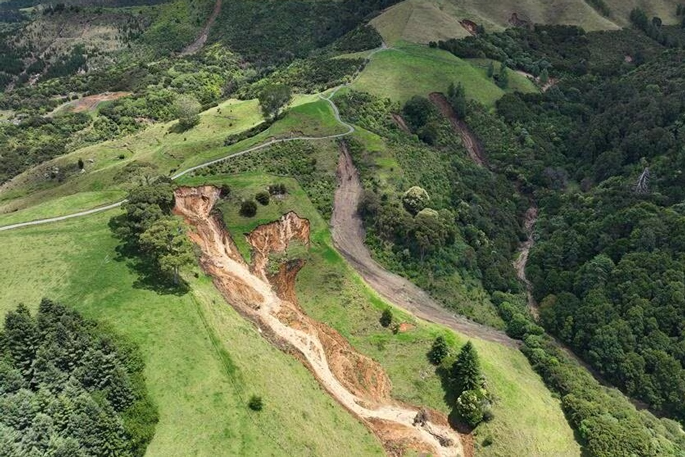
While grateful for Government support for weather‑affected farmers, an industry leader says navigating claims may test those in need.
Recent weather events in the Bay of Plenty, Gisborne/Tairāwhiti, and Canterbury have been classified as a medium‑scale adverse event.
The Ministry for Primary Industries (MPI) classifies adverse events - such as natural disasters, severe weather, and biosecurity incursions - as either localised, medium‑scale, or large‑scale.
A medium‑scale adverse event indicates that weather conditions have caused significant impacts but not to the extent of a severe weather event.
This classification enables additional support for farmers and growers in the affected regions who continue to face weather‑related challenges.
“The effects of these weather events continue to be felt in these regions,” Agriculture Minister Todd McClay says.
He says the announcement unlocks extra support, including tax relief, and enables the Ministry of Social Development (MSD) to consider Rural Assistance Payments and activate Enhanced Taskforce Green for affected farmers and growers. These measures aim to assist those impacted by the adverse conditions and help them navigate the challenges they face.
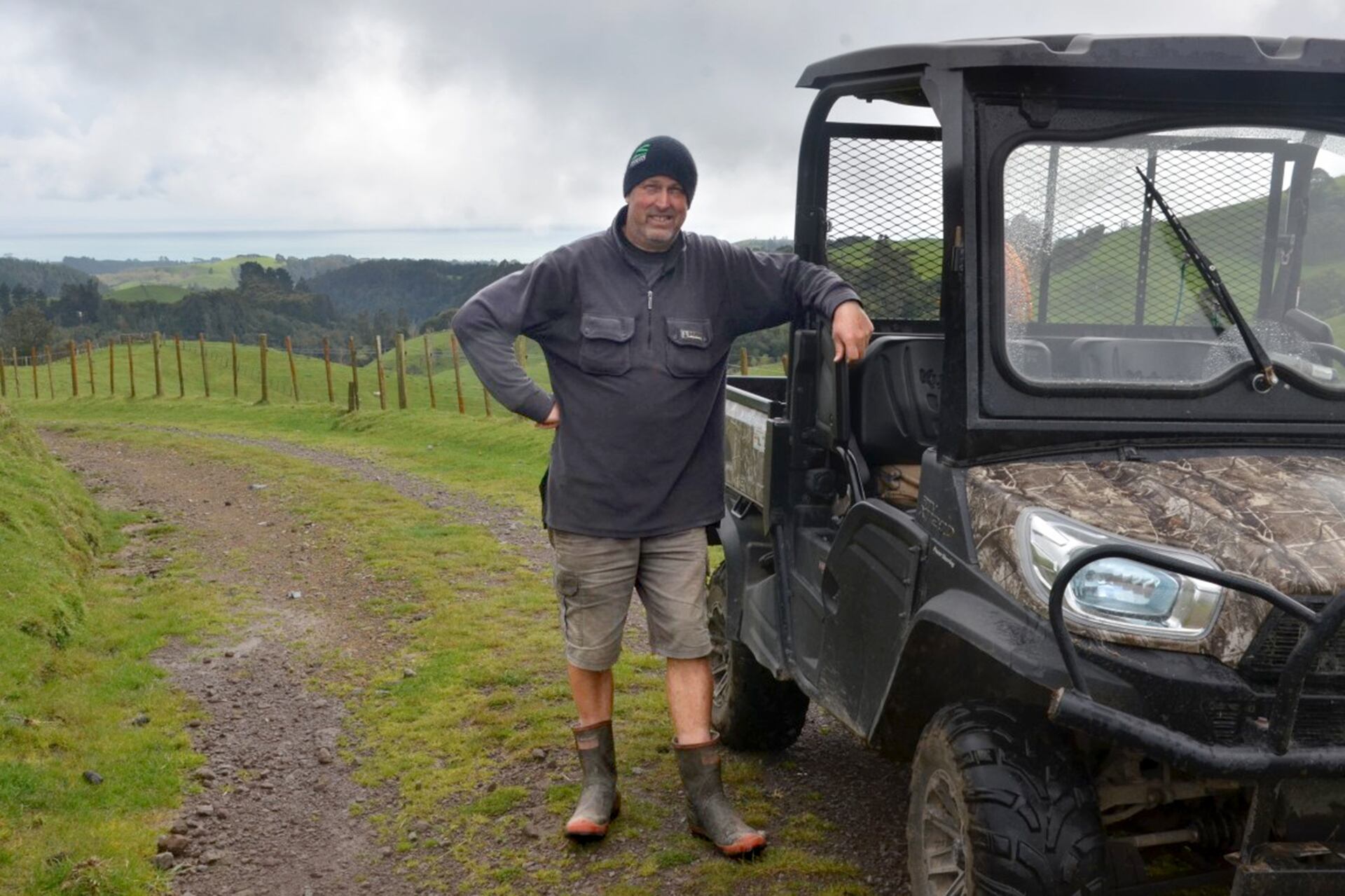
Federated Farmers Bay of Plenty provisional president Brent Mountfort.
“We are obviously appreciative, but the criteria are tight and a lot won’t qualify,” says Bay of Plenty Federated Farmers president Brent Mountfort.
“But every little bit helps.”
Running a 270‑hectare sheep and beef property near Matatā, Mountfort recalls the last time there were so many slips in the Pāpāmoa Hills was 50 years ago.
Localised damage
“It was very localised, with the Pāpāmoa Hills and the East Cape the worst hit.”
Brent says the Pāpāmoa Hills contain a mix of farms, orchards, and lifestyle blocks.
“They are facing horrific decisions about what they do in the future. Some slips have gone right through kiwifruit blocks. There is genuine hardship up there,” he says. “I feel for them.”
He says the storms have emotional as well as financial effects on landowners.
“They are asking, ‘Do we want to stay?’. It’s hell for them.”
Brent says the Waioweka Gorge and Cape Runaway were also badly affected. He had heard of 140 slips reported in Cape Runaway.
“This area is often forgotten.”
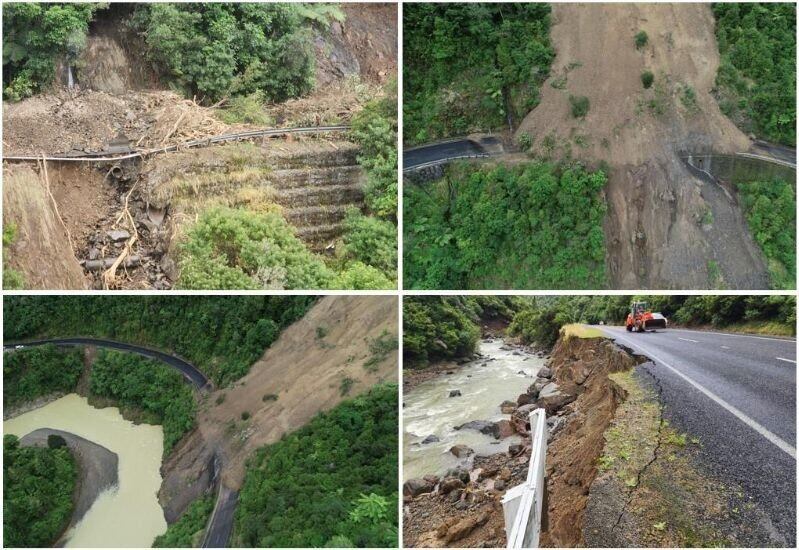
Multiple slips sites along State Highway 2 through the Waioweka Gorge. Photo / NZ Transport Agency Waka Kotahi
He says agencies including MPI, Rural Support, Federated Farmers, Horticulture NZ, and Civil Defence had all been talking before and after the storms.
“On‑farm support from MPI has been a big help.”
Bay of Plenty Rural Support Trust regional co-ordinator Jodie Craig shares Brent’s sentiments.
“We are so grateful for the classification, but there is strict criteria to be eligible for Rural Assistance Payments.”
She says the January storms were very different from previous weather events in the Bay of Plenty, affecting pockets across different council areas.
“It hit farmers and growers, and there were different factors in different areas.”
Welfare issues
Along with property damage, she says some farms and orchards were isolated, causing welfare issues such as getting children to school or to medical appointments.
“Uncertainty creates anxiety.”
Jodie says most reports came in a fortnight after the event.
“They usually run on adrenaline straight after.”
Seven staff from Bay of Plenty Rural Support were involved in the January operation. Those in need should phone Rural Support on 0800 787 254.
She says farmers need a declaration signed off by Rural Support to be eligible for Rural Assistance Payments, which are paid during or after an adverse event to help farmers with essential living costs.
Eligibility also depends on how much a farmer earns (excluding farm income) and any money or off‑farm assets they hold.
Payments are equivalent to the current rate of the Jobseeker Support benefit at the time of the event and are generally paid as a lump sum covering four weeks. Farmers needing support for longer must reapply every four weeks.
Enhanced Taskforce Green (ETFG) is a regional response to a significant adverse event—either weather‑related or resulting from a natural disaster. The Minister for Social Development can approve up to $500,000 plus GST of ETFG funding to assist with clean‑up activities where required.
At a regional level, agencies including MPI, the Rural Support Trust, and regional councils first determine whether ETFG is needed and the size and scale of clean‑up operations. ETFG workers are employed from the benefit system and are paid at least the minimum wage for the duration of the clean‑up.
“The Ministry for Primary Industries has been working closely with local groups to identify the most affected farmers and where support is needed most, including through on‑farm assessments,” says Todd.
Rural Communities Minister Mark Patterson is encouraging farmers and growers to seek support if they need it.
“It’s important we help those farmers, growers, and rural communities now facing a lengthy clean‑up.”

0 comments
Leave a Comment
You must be logged in to make a comment.