


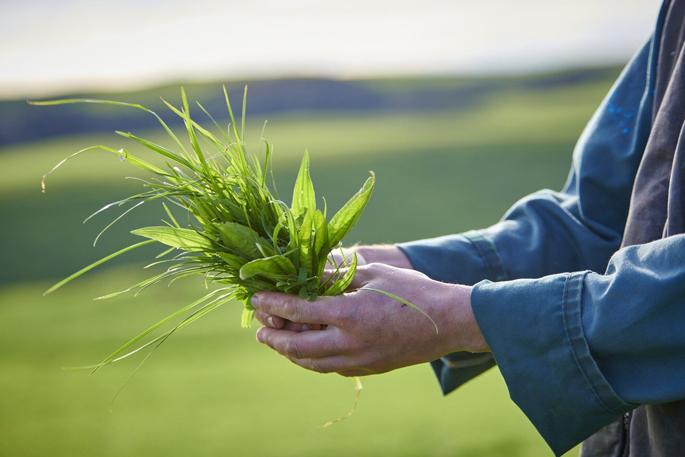
Dairy farmers need to look at their best paddocks to see what the poorest can produce once improved.
Industry-good body DairyNZ says maximising pasture growth, and harvesting it, is key to increasing a dairy farm’s profitability.
“To grow more grass, you need to identify the lowest producing paddocks and understand their potential by comparing them with the best ones.”
Renewing the poorest performing paddocks offers the biggest chance for improvement.
DairyNZ says renewing pasture is crucial for maintaining farm productivity and there are four primary methods to consider: cultivation, spray-drilling, undersowing and oversowing.
Each method has its pros and cons, with factors like cost, time and specific pasture conditions influencing the choice of renewal approach.
“Choose the method that aligns with your farm’s needs and conditions.”
DairyNZ says farmers should measure pasture performance using tools like grazing and yield records or the Pasture Condition Score Tool, which is found in DairyNZ’s Pasture Renewal Guide.
Factors such as soil fertility, drainage issues and overgrazing can affect performance.
“For poor-performing pastures, it’s crucial to address the root cause, whether that’s soil health, drainage or overgrazing.
“Analysis of your pasture growth data will help you plan the most profitable renewal programme.
“While you may instinctively know your best and worst paddocks, without measuring or assessing pasture growth paddocks cannot be accurately ranked to identify worst performance.”
DairyNZ says the best paddock(s) to renew are the poorest producers as these have the potential for greatest improvement.
Property potential
“The highest producing paddocks on a farm indicate the property’s overall potential,” DairyNZ says.
“Under-producing paddocks highlight the opportunity for extra pasture growth.”
DairyNZ says farmers should use grazing and yield records to identify the best and worst paddocks.
“The more measures and assessments you have to compare the better (and easier) the decision will be.”
These include weekly cover pasture information, and grazing and paddock records.
DairyNZ says on many farms the worst paddock only produces half as much as the best paddock.
“The trick is to know which paddocks are the poorest producers.”
DairyNZ says introducing new plants will not increase production if you do not resolve the underlying causes of low pasture production – treat the cause and not the symptom.
Aspects that need to be considered include soil fertility, poor drainage, pugging, soil compaction, overgrazing, weeds and insect pests.
There are four main ways to renew pasture: cultivation, spray-drilling, undersowing and oversowing.
Cultivation involves breaking up the soil prior to sowing with the likes of a plough, power harrow, discs or rotocrumbler.
DairyNZ says this is necessary where there is a need to eliminate compaction or levelling, or lime incorporation is required.
A direct-drill is used to sow treated seed into an uncultivated paddock after existing pasture is killed by herbicide.
In undersowing, farmers should use a direct-drill to sow treated seed into existing pasture.
DairyNZ says this works very well in the narrow window of time when a pasture has thinned out but has not yet been overtaken by weed ingression.
Farmers should use this method after extended dry conditions where large areas need to be sown, or after winter pugging damage.
“Results are variable where it’s used in pastures too dense for the new seedlings to establish well.”
In oversowing, treated seed is broadcasted onto the surface of the soil.
It is generally used to repair smaller areas (pugging damage) or to establish white clover in spring into pastures and where the land is too steep or stony for cultivation.
It is not recommended for improvement of lowland pastures due to high seeding mortality.
Sowing rates are generally higher, as establishment rates of seed placed on the ground surface are lower.
Pasture management
DairyNZ says autumn pasture management in dairy farming involves focusing on average pasture cover and cow condition to prepare for spring.
“The focus in autumn is reaching average pasture cover and cow condition targets ready for spring.”
DairyNZ says good grazing management through early autumn is maximising the pasture you grow and utilise, balanced with allowing pastures to recover following any dry periods in the summer.
“The secret to achieving this good grazing management any time of year is leaving consistent post-grazing residuals and graze pastures at the right time (2.5-3 leaves).”
More information can be found in DairyNZ’s Pasture Renewal Guide at dairynz.co.nz/renewal-guide.

0 comments
Leave a Comment
You must be logged in to make a comment.