


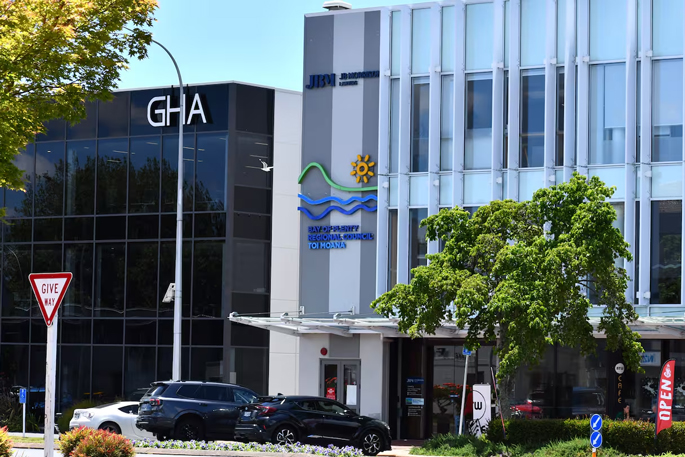
Several Bay of Plenty regional councillors have expressed dismay at a local government overhaul proposed by central government, labelling it “fundamentally” flawed, potentially expensive and lacking Māori representation.
Councillors gave feedback on a draft submission from the council on the Government’s Simplifying Local Government proposal at a meeting on Thursday.
The proposal was announced in November. If adopted, the country’s 11 elected regional councils would be replaced or restructured.
Instead, mayors from city and district councils would form Combined Territories boards to oversee regional functions such as land and water management, transport planning, and civil defence.
Dubbed the biggest change in local government since 1989, the proposal aims to strip out duplication in the system, cut red tape and drive down compliance costs.
The reforms received initial support from Rotorua and Tauranga mayors Tania Tapsell and Mahé Drysdale.
The regional council’s draft submission, signed by chief executive Fiona McTavish, supported local government reform in principle but called for a “holistic and comprehensive review.”
It called for reform to protect communities, ensure stability, and maintain services.
Eight concerns were highlighted, including the need for clear vision, strong regional input, Māori partnership, affordability, and managed financial risks. It also recommended councillors remain until 2028.
Eastern Bay regional councillor Sarah McCorkindale raised the strongest opposition to the current government proposal, calling it “entirely flawed from the get-go”.
While she supported the need for reform, she “fundamentally opposed” removing regionally elected officials.
“Regional, city, and district democrats should be working together with their communities to look at all of local government,” she said, in contrast to the proposal’s emphasis on mayor-led regional governance boards.
 Eastern Bay regional councillor Sarah McCorkindale. Photo / LDR
She supported the council’s submission, but questioned the potential effectiveness, given her low opinion of the proposal they were responding to.
She suggested she would file her own submission outlining her concerns.
Tauranga regional councillor Stuart Crosby – a former Tauranga mayor and Local Government New Zealand president – also wants reform but warned that the Government’s draft proposal was oversimplified.
“You have to walk into these things with your eyes wide open, not full of hopeful wishes,” Crosby said.
He was concerned about the potential impact on ratepayers and residents should the reorganisation falter – suggesting it could cost “tens of millions” of dollars.
“You can have a dream of a reorganisation proposal that ticks all the boxes, but when it comes to the hard reality on the ground, it’s very different,” he said.
He feared central government would provide a “framework” for reorganisation that “will not address” true costs and benefits.
 Bay of Plenty regional councillor Stuart Crosby. Photo / George Novak
Ōkurei Māori councillor Iwi Te Whau raised concerns that the current proposal did not “give a voice to our people”.
There is no mandatory role for specific iwi or Māori representation on proposed combined territories boards – effectively killing off regional Māori constituencies.
The Bay of Plenty Regional Council pioneered Māori representation at the council table, being the first local government organisation to introduce Māori constituencies in 2004.
Te Whau said the lack of a mandatory role in the new proposal was a concern among others, including regarding funding, with huge implications for “the interests of whenua and iwi”.
He wanted sections of the council’s submission related to Māori representation to be “beefed up” to ensure Māori voices were being reflected.
Councillors unanimously approved the submission, which council staff would update to include stronger views on reorganisation plans and Māori representation.
Submissions on the proposal are due by February 20.
Submissions will be reviewed before draft legislation is drawn up by the middle of the year, which the Government aimed to pass into law in 2027.
Mathew Nash is a Local Democracy Reporting journalist based at the Rotorua Daily Post. He has previously written for SunLive, been a regular contributor to RNZ and was a football reporter in the UK for eight years.
LDR is local body journalism co-funded by RNZ and NZ On Air.

4 comments
Quick !!!...
Posted on 13-02-2026 21:07 | By groutby
.....let's hold more meetings do discuss how valuable WE are and why WE are so valued by the community....and then..WE will pat each other on the back and decide WE are irreplaceable...ok, now that's done can we get to the real stuff and agree there are way too many of you not being productive and costing the ratepayer in actual productivity and benefit.
Hard to swallow but after taking on so many during covid times, we need to recognise the free ride is over and real jobs must be sought...talk some and then talk more...I wonder what the outcome will be....I reckon we know already don't we?...
The Master
Posted on 13-02-2026 22:23 | By Ian Stevenson
No surprise that they are talking about it all.
Come August, they ill all get the sack.
So let me have a random guess, they have just realised that and have gone into panic mode?
We still need some…
Posted on 14-02-2026 13:00 | By Shadow1
…sort of Regional Council, just not one that wants to sell off the assets. Their basic job should be to maintain the infrastructure that they control. They shouldn’t be looking to extend their business.
Having local councils driving the decisions should work well but we shouldn’t forget that we have elected all of the councillors and the Mayor and we want them fully engaged with the city infrastructure.
Shadow1
Regional council
Posted on 14-02-2026 13:15 | By NZoldkiwi
Best thing that could happen to them all overpaid for what?
What other business would run buses for example at multi million dollar loses. Would like to help you all on your way.
Leave a Comment
You must be logged in to make a comment.