


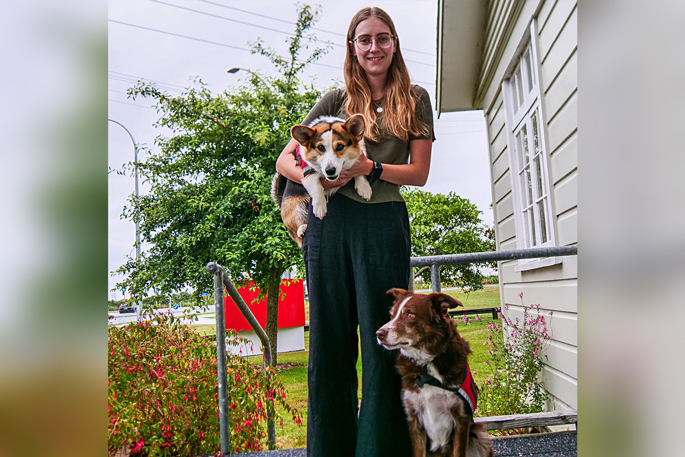
With wagging tails and finely tuned noses, two dogs are joining the fight against the gold clam, an invasive freshwater pest lurking in Lake Karāpiro.
Cino, a 10-year-old border collie heading dog cross, and Lilli, a 1.5-year-old pembroke corgi, are undergoing training to detect the pest on boats, trailers, vehicles and anything that’s been in contact with infected water.
The gold clam was first discovered in Lake Karāpiro in 2023, and how they arrived remains a mystery, University of Waikato associate professor of biodiversity and ecology Nick Ling said.
What is known, however, is the damage the pest can cause; in the US it has clogged waterways and infrastructure at a massive cost.
“In the United States of America, they have caused billions of dollars’ worth of damage.”
Now, Cino and Lilli are being trained to detect the scent of the tiny clams.
Once their laboratory training is complete, the canine duo will be deployed to boat ramps around Lake Karāpiro, where they will search for traces of the clams before vessels head elsewhere.
Waikato research assistant Lucy Tannahill, who is overseeing the programme, said the early stages of training were focused on building a strong association between the clam’s scent and positive rewards.
“To start with, I’ve just been pairing the odour of the clam with their rewards – toys and treats,” Tannahill said.
Inside the controlled environment of the university laboratory, the dogs can focus on the task, free from the distractions they would face in the real world.
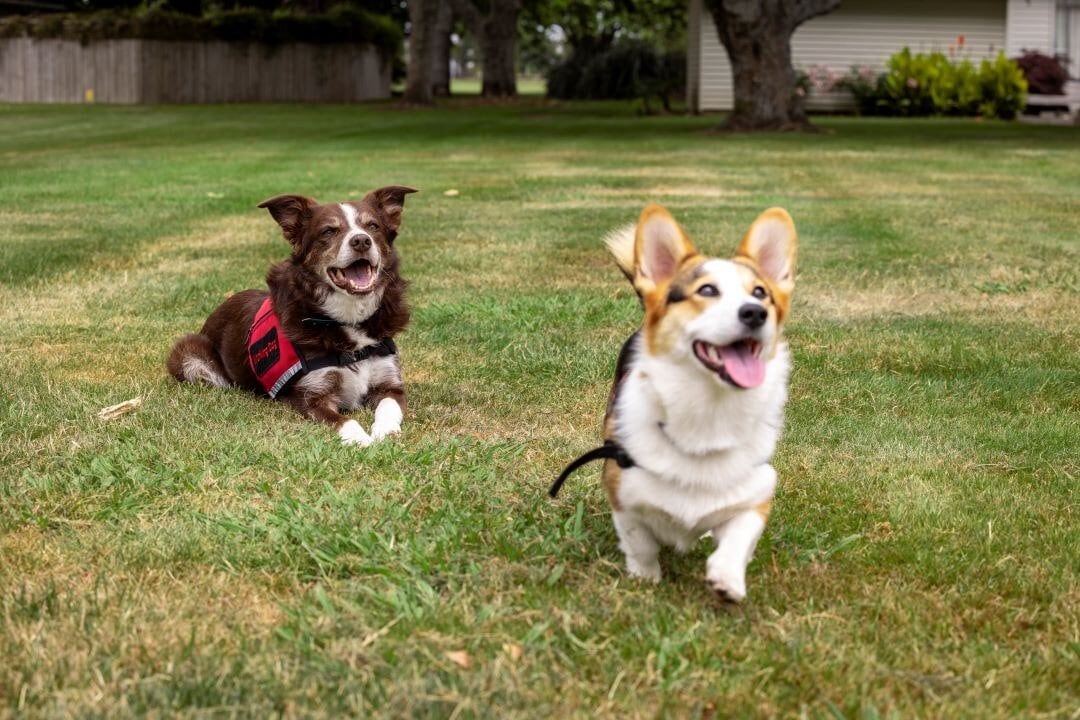
Cino and Lilli are checking vehicles for gold clams this summer.
“They’re in a pretty sterile room,” Tannahill said. “There’s no wind, there’s nothing else going on in there.
“Whereas at a boat ramp, it might be windy, it might be raining, and there are lots of different things interacting with the odour and how it spreads.”
Why dogs beat human eyes
As the training progresses, Cino and Lilli are learning to detect the scent of gold clams on vehicles and equipment, and to clearly indicate when they have found it.
The approach is more effective than relying on visual inspections alone, Tannahill said, because juvenile clams are extremely difficult to spot with the naked eye.
Once the dogs are fitted with their high-visibility jackets and sent out into the field, they switch quickly into work mode.
“They know when it’s time to work,” Tannahill said.
Both dogs are owned by Tannahill and already have experience in scent detection through recreational competitions.
An unstoppable invader
Gold clams can attach themselves to pipes, water tanks, filters and equipment. They multiply rapidly and form dense carpets across the lake bed.
“The maximum is probably around 10,000 clams per square metre,” Ling said.
“It’s just a carpet of clams. And each individual can produce up to 70,000 offspring per season.”
Gold clams are exclusive to freshwater environments, but now that they have established themselves, Ling said eradicating them is unlikely.
The clams can be killed using bleach, freezing or soaking in hot water at 55C – but preventing them from hitching rides between waterways remains the biggest challenge.
Containment remains the best defence against the clams, with detection dogs playing an increasingly important role in slowing their spread, Ling said.
“They can kind of act like ecosystem engineers,” Ling said.
“They are sucking a whole lot of nutrients out of the water and algae, and that’s food supply for other things, like zooplankton.”
Ling said New Zealand has some of the strictest biosecurity regulations in the world, particularly at its borders, but occasionally pests still slip through.
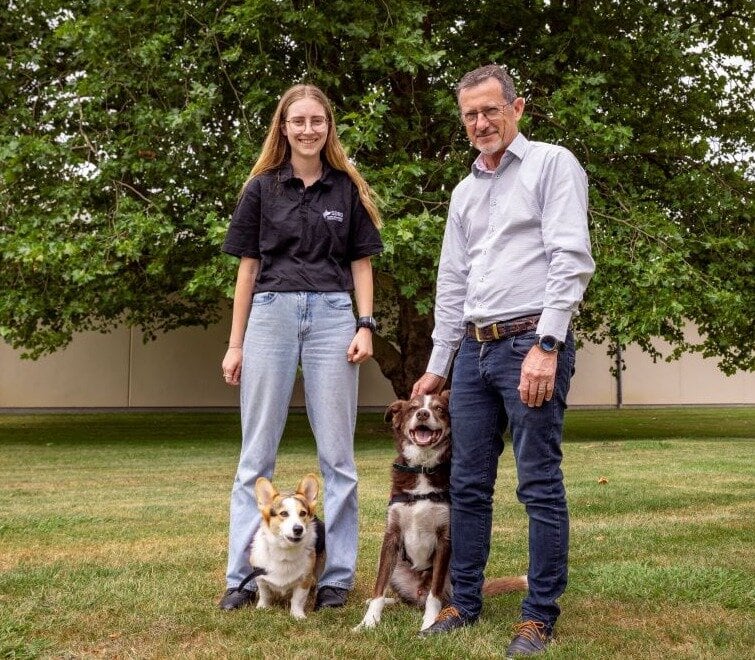
University of Waikato research assistant Lucy Tannahill with Lilli, Cino and Dr Nick Ling.
Training dogs to detect pests not only provides valuable opportunities for students and researchers but also involves the wider community, Ling said.
“While the two dogs Lucy is using on the clam project are her own, another project she’s just starting, which focuses on invasive red-eared slider turtles, has recruited three dogs from the community,” Ling said.
“In fact, most of the dogs involved in our scent-detection research group are community-recruited.”
People who volunteer their dogs drop them off for training during the day and pick them up in the evening.
Ling said while it’s rewarding for owners to know their dogs are contributing to research, it also helps shift perceptions about animal-based research.
“Research involving animals doesn’t have to be invasive or harmful,” he said.
“It’s not all about cruel procedures or testing cosmetics and new drugs. This work is genuinely beneficial not just for the science, but for the animals involved as well.”
Tom Eley is a multimedia journalist at the Waikato Herald. He previously worked for the Weekend Sun and Sunlive.

0 comments
Leave a Comment
You must be logged in to make a comment.