


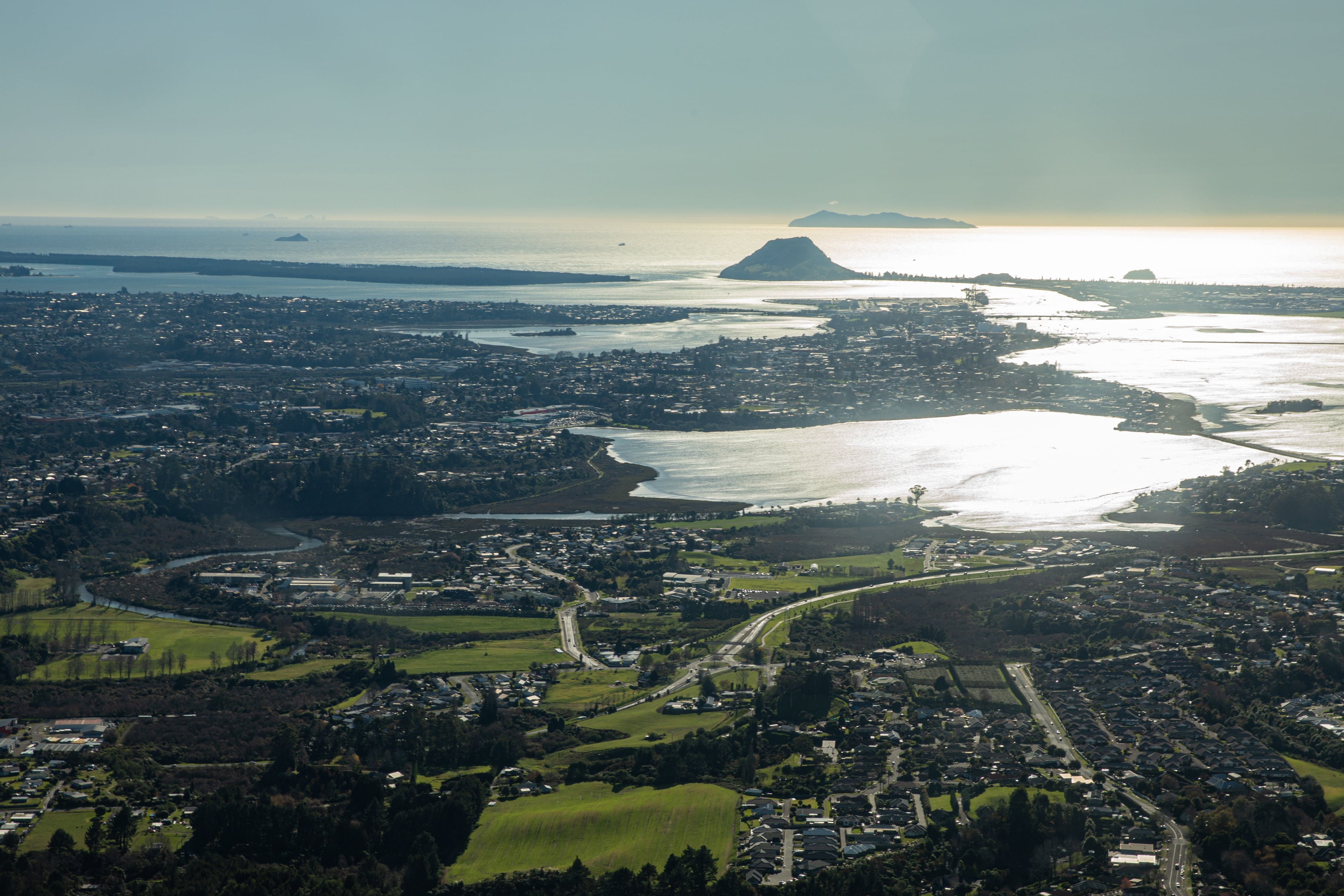
Those dreaming of a fresh start in the Bay of Plenty over the Christmas break had no shortage of options, with the region leading the country in new property listings during what is usually one of the quietest months of the year.
Latest figures from realestate.co.nz show December stock levels nationwide surpassed 30,000 for the first time in a decade, capping off a full year where monthly listings consistently sat above that mark. Across the country, stock was up 3.1% year‑on‑year to 30,390.
While Northland and Auckland topped annual stock growth, it was the Bay of Plenty that stood out for new listings, bucking the traditional holiday slowdown.
Sellers more motivated
In a month when vendors typically hit pause, the Bay of Plenty recorded 385 new listings in December — a jump of 22.2% compared to 2024, the strongest lift of any region.
The region outperformed other strong movers such as Wellington (up 18.5%) and the Central North Island (up 12.9%), helping push national new listings up 2.8% year‑on‑year to 4900.
Realestate.co.nz spokeswoman Vanessa Williams said sellers appeared more motivated than usual, despite the pressures of the holiday season.
“Typically, December is a time when vendors hit pause, so seeing this level of activity tells us many people were motivated to sell and felt confident enough to list – even before their Christmas shopping was finished,” she said.
The Bay of Plenty’s spike came as other regions slowed dramatically. Marlborough, Nelson & Bays, and Gisborne all saw double‑digit drops in new listings, with Waikato recording its lowest December total on record at just 355.
Asking prices climb into top tier
It wasn’t just listing volumes where the Bay of Plenty stood out – average asking prices in the region surged 13.3% to $931,602, one of the three largest increases in the country.
The lift puts the region firmly in the upper tier of the national market, behind only high‑value areas like the Central Otago/Lakes District, where asking prices jumped 13.1% to more than $1.5 million.
By contrast, Wellington’s average asking price dropped into the $700,000 bracket for the first time since mid‑2024, while Gisborne saw the steepest decline in the country, falling 29.1% year‑on‑year.
Williams said the wider mix of rising supply and stabilising prices could encourage more movement early in 2026.
“More than 30,000 homes on the market in December is a rarity. With national prices holding steady and stock at multi‑year highs, we could see renewed activity in early 2026, especially if confidence builds over summer.”
A strong start ahead for 2026?
For Bay of Plenty buyers, the combination of rising stock and increasing regional confidence may offer more choice — but not necessarily cheaper homes. The region’s strong seller sentiment, high listing volumes and rising asking prices suggest a market gearing up for another active year.
With summer underway and early‑year confidence likely to build, the Bay of Plenty appears poised to remain one of the most dynamic property markets in the country heading into 2026.

1 comment
The Master
Posted on 07-01-2026 13:49 | By Ian Stevenson
The most basic of economic concepts applies to Tauranga, where supply is limited and or stagnant and or minimal... then demand continuing will inevitably push up prices.
This is economics-001.
The issues are many, but the common theme is TCC related to: -
1 Consent fees are outrageous (subdivision and building)
2 The delay in completing is a shocker
3 The quality of output i.e. statute compliance leaves a lot to be desired
4 Very complicated to get a consent for any land development
5 Massive TCC ratepayer subsidies have predictably failed to achieve anything except:-
- an expectation of more. Waiting for more delays all.
- massive rates bills (you have not seen anything yet - doubling)
Leave a Comment
You must be logged in to make a comment.