


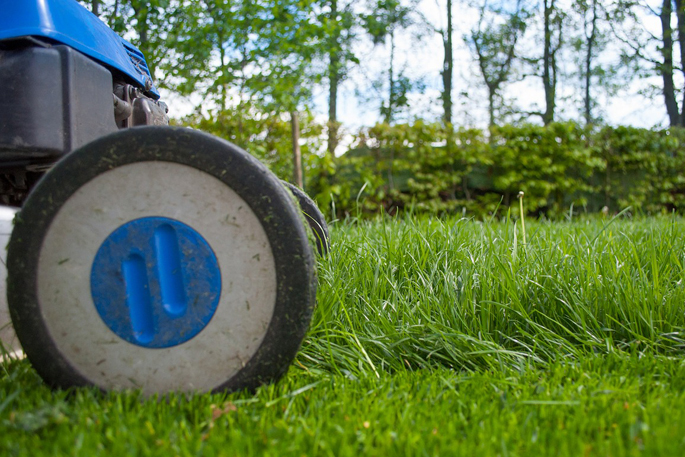
Grass berms and median islands in the Western Bay will be mown more often, after a decision by the council this week.
Western Bay of Plenty District councillors voted unanimously to increase roadside mowing in urban areas, between now and June 2026, to an average of 12 times a year.
The increased level of service would cost an additional $225,000 this financial year.
Earlier this year, the council decided to reduce roadside mowing from up to 16 times a year, to around six times a year, to save costs and avoid going over budget.
“This was partly due to NZ Transport Agency providing less funding assistance than anticipated for some local road maintenance activities, including vegetation,” the council said in a statement.
Parks and reserves were unaffected as they were funded differently.
Mayor James Denyer said the council decided to review this reduced mowing frequency, following dissatisfaction from the community about long grass and untidy berms.
“We heard clearly from the community that they were not happy with the level of service we were providing, so we moved quickly to address this.”
Yesterday’s decision aimed to strike a balance between affordability and public expectation, he said.
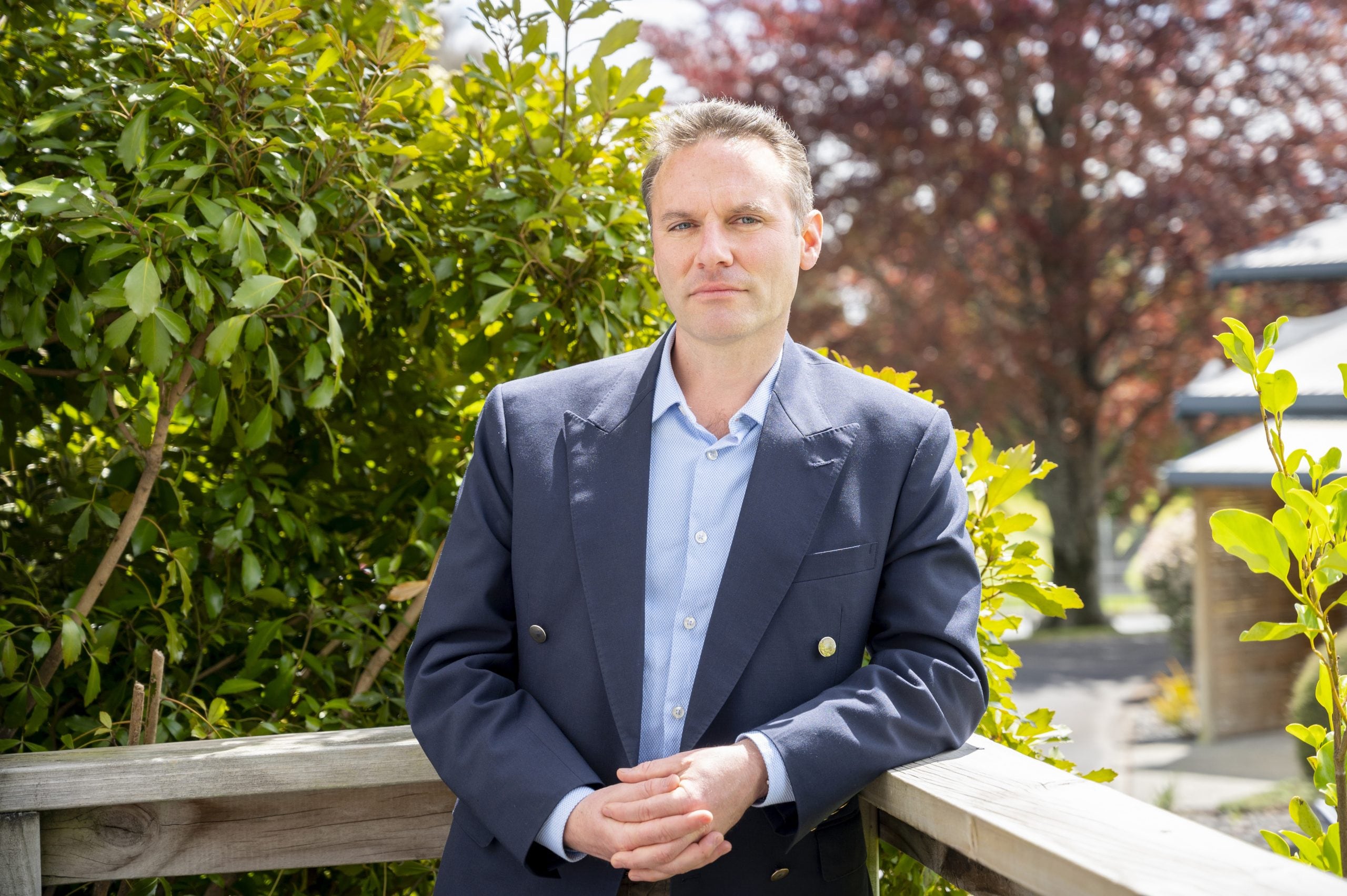
Western Bay of Plenty Mayor James Denyer.
“We know people value well-kept streets and neighbourhoods, and that mowing plays a part in how places look, feel and function day to day.
“At the same time, we need to be mindful of costs and make sure we’re delivering services in a way that’s fair and sustainable for ratepayers.”
The council said longer-term mowing frequency would be considered as part of next year’s Annual Plan process, with any further agreed changes taking effect from July 1, when the new rates were set.
Bringing mowing frequency back up to 2024/25 levels (up to 16 times a year in urban areas) would require a 1%-2% rate increase, or sourcing $1 million to $1.5m from other areas.
“This will be part of a broader conversation with the community – about the services the council provides, what matters most to people, and the choices involved in funding and prioritising them.”

2 comments
WBOPDC Mowing Problem
Posted on 19-12-2025 14:13 | By FreddyN
Reduced mowing of roadsides may be partly caused by reduced funding from NZTA, but mainly it is because Council overspent last year.
At a Council workshop on 24 November there was no mention of any funding cut by NZTA even though one of the topics for discussion was "Mowing Levels of Service for Urban Areas". The minutes of the Workshop indicate that the reason for the reduction in mowing frequency is because Council overspent the budget last year: The Agenda for the 16 December Council meeting states: "At the end of year 1 (2024-25) the total cost of delivering Environmental Maintenance activities was $5,643,640 against a budget of $3,328,799, a difference of $2,314,841. The total amount spent on mowing was $2,265,917.
Instead of upping rates to cover the increased costs Council needs to improve its supervision of contractors. Downer increased their profit 247% last financial year.
@ FreddyN
Posted on 19-12-2025 22:02 | By The Caveman
YES, who has the contract to do the mowing! And are they actually meeting the contract terms?
As for me mowing my roadside grass, there is a simple once/twice a year fix! It's called "liquid lawnmower"!
Leave a Comment
You must be logged in to make a comment.