


New research highlights the need to integrate mental health support into all phases of oil spill response training for wildlife responders, after an exploration of the long-lasting impacts of the Rena oil spill.
The 2011 Rena oil spill off the coast of Tauranga is considered New Zealand’s worst maritime environmental disaster and the largest oiled wildlife incident in the country’s history.
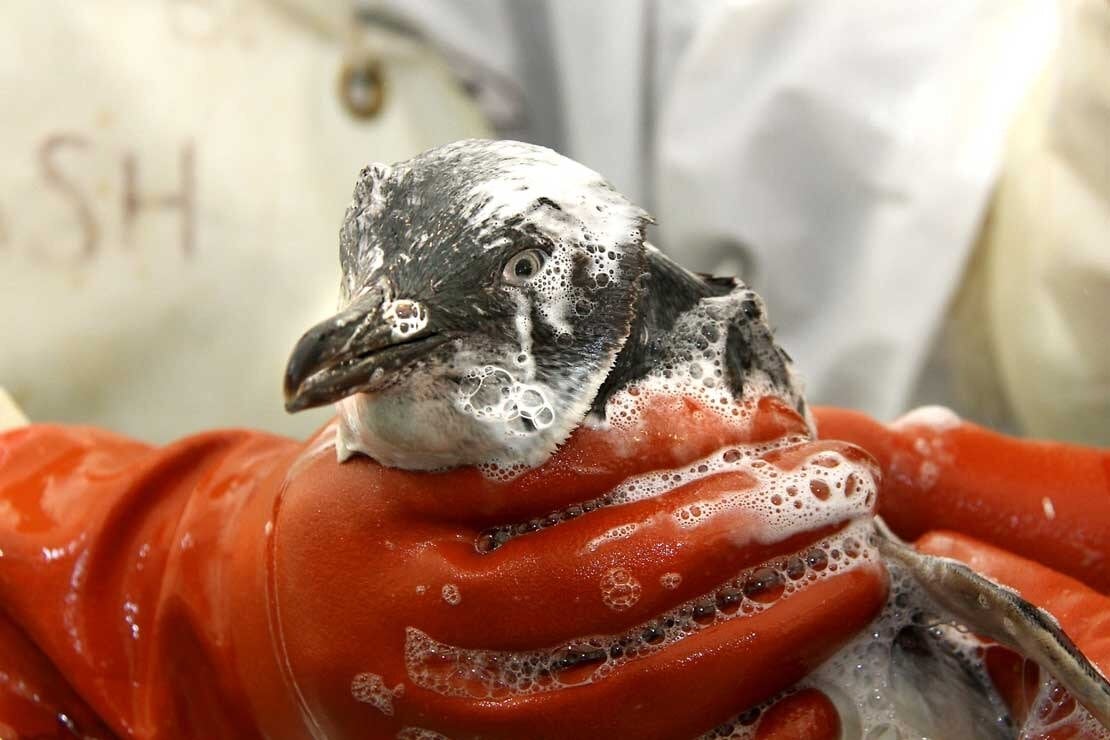
The release of 350 tonnes of oil into the ocean had a devastating effect on wildlife, killing more than 2000 seabirds across 23 species, with a further 428 birds admitted for treatment.
Immediately after news broke and for over two months after the spill, Te Kunenga ki Pūrehuroa Massey University’s Wildbase Oiled Wildlife Response established a facility in Tauranga to manage the recovery and care of oiled seabirds.
At the tail end of the response, the team brought a handful of birds back to the Wildbase Hospital in Palmerston North to continue their care.
While much research has focused on the aftermath of the Rena spill, senior technical officer Bridey White, who was a member of the Wildbase response team, noticed a gap in the emotional toll on wildlife responders.
She has recently completed a Master of Health Science with distinction in Bioscience, with her research titled The Mental Health of Oiled Wildlife Responders Deployed to the MV Rena Oil Spill in Aotearoa New Zealand.
“Despite being experienced wildlife carers, responders were confronted with unprecedented levels of wildlife mortality and community impact,” said White.
“A decade on, many still feel the emotional effects of those events.”
In late 2021, White conducted interviews with eight experienced wildlife responders who had participated in the Rena response.
The interviews focused on the challenges faced while managing oiled wildlife, working within the response environment and how mental health was promoted and protected.
The study revealed the complex emotional toll of animal death, exacerbated by the human-caused nature of the disaster, and, at the time, the lack of formal mental health support, with responders relying on personal resilience strategies.
Initial emotions among responders when deployed ranged from anticipation and excitement about the opportunity to apply their professional expertise to uncertainty and trepidation.
However, as the response progressed, the emotional burden changed.
Without proper mental health support, responders were at risk of compassion fatigue, burnout, moral distress and trauma, with flow-on effects which could impact their work and their personal lives.
Participants described informal coping strategies that developed during the response to help them manage stress.
“Participants reported having a policy that anyone feeling overwhelmed could spend half an hour watching the penguins swim, which they found very beneficial,” said White.
“One participant called it ‘good therapy’ and said it reminded them why they were doing the work.”
Responders’ experiences with death fell into three categories: humane euthanasia, which was generally accepted as part of professional responsibility but created challenges when working with inexperienced volunteers; the emotional impact of mass mortality; and the small number of accidental deaths during treatment, which for some led to lasting guilt.
“One participant recalled crying for the first time at Rena after seeing a large albatross that had died from being smothered in oil,” said White.
“It symbolised the suffering of the birds and the environmental damage caused by an avoidable accident.”
White’s research emphasises that mental health support should be integrated into all stages of an oil spill response and be part of health and safety training.
This includes emotional preparedness skills, formal and informal debriefing techniques, and strategies to support both experienced responders and volunteers, ultimately strengthening the capacity to care for wildlife during disasters.
“With intensified shipping, marine transport activities and climate changes, the risk of oil spills is increasing.
“The limited information on the mental health impacts for wildlife responders means we need to bridge that gap and ensure there are proactive strategies in place to support their wellbeing,” White said.

2 comments
Rena study
Posted on 20-10-2025 12:52 | By ARRC
I was one of the responders that Bridey interviewed.
She did a wonderful paper about the mental health issues that responders had and believe me they are real and varied. I'd like to thank Bridey for listening to what myself and other responders said they had experienced. We hope that a disaster like that never ever happens again, but it is good to know that support will be in place for all responders.
Hmmm
Posted on 20-10-2025 13:53 | By Let's get real
Is this a sign of what NZ has come to..?
We have "lovies" that are demanding emotional support, and will probably get it...
A walk along the beach will almost always result in seeing dead birds. The appropriate response, is for the vetting of the "lovies" that turn-up to these events, and the denial of assistance if they're incapable of accepting the loss of an animal.
We are a nation built on the harsh realities of death... Sh*t happens.
Leave a Comment
You must be logged in to make a comment.