


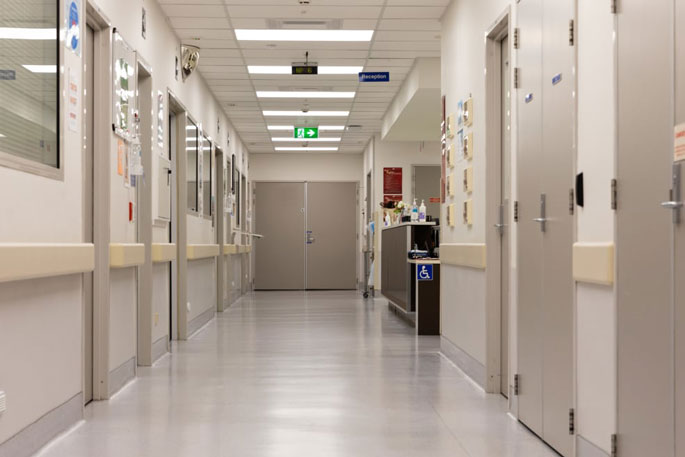
Nearly 30,000 patients waiting for elective operations - including hip replacements, hernias and fixes for incontinence - are about to receive letters from Te Whatu Ora asking if they still need surgery.
The Health Ministry says the purpose is to reassure patients and collect up-to-date data. However, doctors fear it will load more cost and stress on patients and GPs.
In an update to GPs, Te Whatu Ora says it's contacting all patients who have been waiting longer than four months, but less than three years, for treatment - to check whether "they have received their treatment or no longer wish to receive treatment".
General Practice Owners Association chair Tim Malloy agrees the agency needs better data if it' going to get rid of so-called "postcode healthcare" and make treatment nationally consistent.
But he notes it's unlikely that someone's gallstones will evaporate in four months, or that their crippled hip will miraculously heal itself.
"People will be returning back to their GPs for further assessment, which shifts the cost burden to both the patient and primary care, for something which they've already been assessed by primary care as requiring."
Most people wait months for non-urgent surgery, unless they can afford to go private, he says.
"But those who can't won't have any other choices. They have the choice to not be treated until their condition deteriorates further."
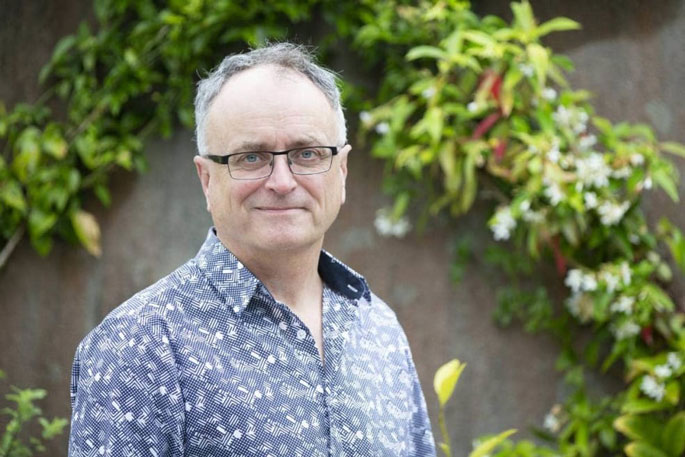 Bryan Betty. Photo: Ross Giblin / Stuff.
Porirua GP Dr Bryan Betty - chair of General Practice New Zealand - says GPs already bear the brunt of patients' disappointment and frustration.
"The problem is that when waiting lists start to blow out there's a flow-on effect back into GPs and the community, because GPs are left picking up the workload with patients.
"And that work isn't funded either, which is the other problem that we've got."
Te Whatu Ora deserves some credit for trying to make the system fairer - but it needs to acknowledge the extra cost to patients and GPs from this process, he says.
"That really should be subsidised by the government, otherwise they would be through the free public system."
Paediatric Orthopaedics specialist Haemish Crawford, president of the Orthopaedic Society, says surgeons have long been worried about the accuracy of the ministry's data, which contradictes their own figures about what's happening.
"The only thing is, if someone has been waiting four months for surgery, it's pretty clear what they need. I would be concentrating on those who have been waiting six or eight months. But at the end of the day, it will be good to have accurate figures.
"I'm surprised they didn't do it three years ago."
Every day at his surgery and at Starship Hospital he sees patients who have waited too long for "non-urgent" operations.
"If children have to wait too long for surgery, then their deformity gets worse, which makes their surgery more difficult, the outcome is not always as good as it might be.
"For adult patients, who are in a lot of pain, waiting for joint replacement or foot surgery or spinal surgery, often their independence is at risk. They might have to give up work or go into care."
The government should have given the go-ahead six months ago to the society's plan to do 2000 extra operations over two years, using private hospitals, he says.
"That would be 500 people off the waiting list already."
Te Whatu Ora responds
In a written response to RNZ, Te Whatu Ora says the letters will not change patients' priority for treatment - but did not say whether it's considering subsidising extra GP visits.
Planned care, hospital and specialist services manager Duncan Bliss blames staff shortages and Covid for the waiting list blow-out.
"We acknowledge and understand the impact waiting for treatment has on patients and we are working hard to reduce wait times.
"We want to reassure these patients to let them know they are still on the wait list and provide options for them to get in touch if they have any questions or need to update their details."
As of Wednesday, May 24, there were just fewer than 29,490 patients who had been waiting more than four months and less than three years for surgical treatment.
Te Whatu Ora has also been in touch with 28 people waiting longer than three years, of whom three are awaiting a confirmed date for treatment. And the rest will get surgery by the end of June.

2 comments
had a gutsfull
Posted on 25-05-2023 21:17 | By usandthem
My wife had a hip replacement 3 years ago this month.The operation was not done properly and was deemed a medical mis-adventure.She has been waiting 33 months for it to be rectified,10 of those months on ACC and still waiting.OVERIT
We don't know.
Posted on 27-05-2023 15:02 | By morepork
So, Te Whatu Ora ("the living eye") which replaced 20 local Health Boards on 1st July last year, is saying that they don't know who has been serviced and who hasn't. They DO know there is a waiting list with over 30,000 names on it, but there is a chance that some of these have already been done. Seems like clutching at straws to me. Why did they disband local Health Boards if they were unable to absorb local record keeping? Why weren't local boards required to submit a summary of the operation status on each of their waiting lists, and then correlate these lists into a central register. If you decide to centralize something, wouldn't that be an essential step? From personal recent experience I can tell you that the mental strain and stress from an extended, indefinite, wait for life saving surgery, is something NOBODY should undergo.
Leave a Comment
You must be logged in to make a comment.