


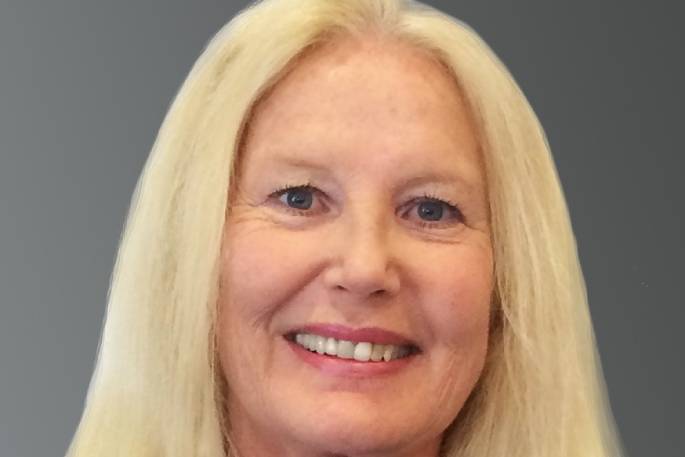
The way mental health in New Zealand is treated and considered has changed drastically over the past 30 years, says a Mount Maunganui woman recently honoured for her work in the field.
Janet Peters has been recognised as a member of the New Zealand Order of Merit for her services to mental health in the Queen's Birthday Honours list this week.
A registered psychologist who has worked in the area of mental health and addiction for the past 30 years she is delighted and gracious at being bestowed the honour.
Janet admits she was something of a 'messy” teenager but believes she is proof that you can overcome your problems and turn your life around.
'The main point I would like to make is that even if you start off life in challenges it is possible to overcome them,” she says.
'If you think of the worst teenager in the world and triple it that was me. But I was lucky to have a family that supported me.
'I am really delighted and surprised and really grateful for all my family, friends and work colleagues who I have known for a long time in mental health and addiction and disability.
'I just love what I do and wake up every day passionate about mental health and communicating stuff about it.”
When it comes to listing her proudest achievements, Janet speaks of becoming the national manager of the first Ministry of Health ‘Like Minds Like Mine' campaign in 1997.
'At the time that was revolutionary,” she states with conviction.
She also mentions working alongside rugby great Sir John Kirwan as part of the national depression initiative.
Both schemes helped to reduce stigma around mental illness and remove the taboo of openly discussing mental health issues, something Janet is pleased to have seen come a long way.
She talks of working in a previous role, years ago, in which she suggested staff might learn from patients and those suffering from mental health trouble.
One psychiatrist walked out of the room in protest, something that now seems an unlikely occurrence.
'Everyone is working toward a common goal which is better services and a more informed public which is so critical,” she says.
'Now things have changed so much that hearing from people with mental health is part of everyday work, the most important part of everyday work. So we have come a long way. Not just me, the whole country.”

0 comments
Leave a Comment
You must be logged in to make a comment.