


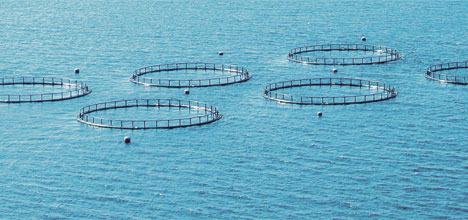
Aquaculture NZ has set a goal of $1 billion export sales by 2025. To help reach this goal, government has amended legislation to make it easier and cheaper to enter the business and is promoting the formation of strategic industry-science relationships.
Aquaculture New Zealand's fourth annual conference was in Nelson on November 9-10, showcasing advances in NZ aquaculture.
The 360 participants heard 29 speakers, including Prime Minister John Key, Minister of Fisheries and Aquaculture Phil Heatley, government bureaucrats, leaders in business and research and international celebrity chef and author Peta Mathias speak on the future of aquaculture in New Zealand.
Participants heard that worldwide aquaculture is gaining in importance and by 2020 is expected to contribute 58 per cent of all seafood on the world market. In 2010, aquaculture contributed only 20 per cent to New Zealand's seafood exports with earnings of $380 million, but this is set to increase dramatically if the government's target of $1 billion sales by 2025 is to be achieved.
The Prime Minister says reaching this goal requires legislative changes to remove obstacles to new marine farms and the development of strategic research – industry partnerships.
Until recently the Aquaculture Management Area system limited the area that could be set aside for aquaculture and virtually froze new development, so on October 1, 2011, the government abolished AMAs and the process of obtaining an aquaculture lease reverted to one of obtaining resource consent from the relevant council.
This move will speed up the application process and reduce the prohibitive costs of entering the industry.
At present, New Zealand does not boast a wide range of farmed marine species – salmon and mussels have the lions share of the industry, with oysters a distant third. Phil Heatley, Minister of Fisheries and Aquaculture says science is pivotal to development of new aquaculture species.
He says changes in legislation have been made to streamline the process of obtaining development funds and encourage farmers to look at new marine species such as hapuka and other finfish. The Prime Minister, however, ruled out research and development tax incentives for farmers – so the way forward will lie in obtaining grants and forming partnerships between industry and institutions such as Cawthron, NIWA and AUT.
The conference stage was dominated by inspirational speakers, such as Andrew Ferrier, former Fonterra chief executive, who compared the aquaculture and dairy industries and stressed the rewards to be gained by both industries in seizing opportunities offered by an ever increasing demand for protein of Asia's new middle classes.
The programme was clearly tailored to established producers, however and the lack of special interest ‘break-away' sessions, a popular feature of the 2010 conference, was a disappointment to many. Break-away sessions offer a forum to discuss subjects not central to the main forum, such as eel and other fresh water cultivation and without them smaller producers and those looking to enter the industry were deprived of a voice as the main the floor was dominated by established producers. In the end, the message from the conference was loud and clear; the marine aquaculture industry is on the move and set for a very bright future, but fresh water aquaculture is, at least for the present, in the ‘too hard basket'.

0 comments
Leave a Comment
You must be logged in to make a comment.