


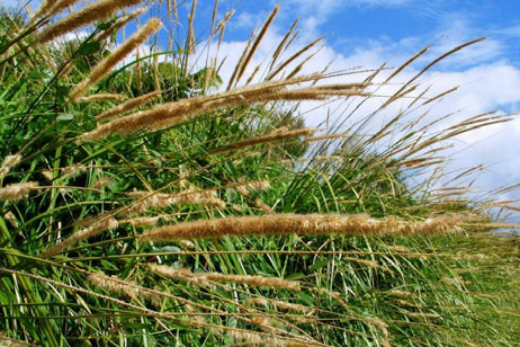
The Bay of Plenty Regional Council has notched up a win in their battle against the invasive pasture weed African feather grass.
Land Management officer Tim Senior says for the first time since control work began in 2000 council staff have found zero African feather grass plants growing in Opotiki this season.
The Bay of Plenty Regional Council says this summer they found zero African feather grass plants in any of the Opotiki infestation sites they've been monitoring since 2000. Photo: BOPRC
'African feather grass is an unwanted pest plant because it dominates over other pasture grasses and stock won't eat it,” says Tim.
'But this summer, for the first time since control work began, we haven't found an African feather grass plant in any of the 12 Opotiki infestation sites we've been working on.”
Tim explains it is hard to eradicate African feather grass as it is quite resistant to glyphosate which is the usual herbicide people use on grasses.
It's also difficult to find and identify as the weed is only obvious during its brief flowering season each Christmas.
Since 2000, he's worked with landowners and contractors to remove the weed from infestation sites located in coastal areas around Ohiwa and Opotiki through the use of a herbicide called ‘haloxyfop'.
But while they've won a battle against the weed with the absence of the feather grass this summer – the war against African feather grass is far from over.
'We'll need to re-check the infestation sites annually for another five years before we can be certain of success there. In the meantime control is ongoing at a number of infestation sites in other parts of the region, especially around Lake Rotorua,” says Tim.
Tim says new pasture weed infestations are a constant risk that farmers need to be vigilant to avoid.
Like many other pasture pests, African feather grass seeds are easily carried and spread from place to place on animal fur, machinery or in hay, he says.
'Farmers can protect their paddocks by making sure any machinery or stock they bring to their property is from a safe source and thoroughly cleaned first.”
WHAT IS AFRICAN FEATHER GRASS AND WHAT DOES IT LOOK LIKE?
African feather grass has long leaves and a distinctive, long flower head. It was first introduced to New Zealand as a soil binding plant and then used widely in gardens before its invasive habits became understood.
The weed is now classified as a containment pest plant in the Bay of Plenty Regional Pest Management Plan which means it's illegal to sell, propagate or distribute it in the region.
Landowners or occupiers are responsible for controlling African feather grass on their own properties. Regional Council offers advice and assistance with identification and control.
For more information including a factsheet on African feather grass, visit: www.boprc.govt.nz/pestplants
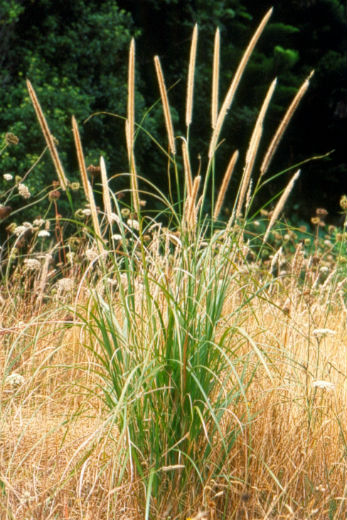
Photo: BOPRC

1 comment
lots
Posted on 28-02-2016 15:48 | By Capt_Kaveman
more to go
Leave a Comment
You must be logged in to make a comment.