


Vomiting children is a summer hazard that can be avoided by paying stricter attention to basic food hygiene.
The moist, warm weather that has people outdoors and eating outdoors is also helping breed bacteria that cause foodborne illness, says Medical Officer of Health Dr Neil de Wet.
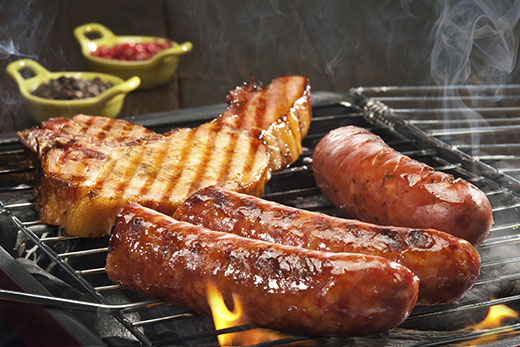
The risks of barbecuing.
Campylobacter and Salmonella multiply very fast in warm, moist conditions. The illnesses these bacteria cause are avoidable by following simple food handling tips.
One Tauranga family complained this week of children vomiting all night after swimming at Ferguson Neil believes the children are more likely to have picked up a gastro bug from the food, rather than from the harbour water.
'We haven't had any reports about illness related to swimming at Ferguson Park,” says Neil. 'But again gastro is quite common in the city at this time of year.”
The Wairoa River, which flows past Ferguson Park, only carries a health warning for the 48 hours after rain, and it's been longer than that since it rained, says Neil.
He recommends people take note of the summer food handling advice on the Ministry of Health home page.
Clean
Wash hands thoroughly with soap and warm water and dry them with a clean dry towel or paper towel.
Wash and dry hands before and after handling food. Wash and dry hands every time after you touch raw meat or chicken.
Before handling food, make sure all tools and working surfaces are clean.
Follow the 20+20 hand washing rule before and after handling food.
Wash hands for 20 seconds with soap and hot water then dry hands for 20 seconds with a clean dry towel or paper towel.
Cook
Defrost frozen foods thoroughly before cooking.
Defrost frozen foods in the fridge before cooking - not on the bench top. Pre-cook chicken, meat patties and sausages before barbecuing.
Minced meat and sausages should be cooked right through, and pork and poultry juices should run clear - use a meat thermometer to check temperatures. Place cooked items on a clean plate - not one already used for raw meat.
Use one set of utensils for raw meat and chicken and another set for cooked food. When cooking or eating outdoors ensure that all food remains covered and cool until ready to cook or eat. Reheat leftovers until steaming hot throughout and do not reheat more than once.
Cool hot foods, covered and for no more than 30 minutes before refrigerating. Reheat leftovers until steaming hot throughout and don't reheat them more than once.
Chill
Ensure the fridge is operating at a temperature of between 2 and 4 degrees Celsius. Keep all perishable foods cold until you are ready to use them.
Use an icepack or chilly-bin to keep food cold outdoors. Ensure raw meat and chicken is properly wrapped to stop drips; also keep raw meat and chicken away from other foods and beneath ready-to-eat foods in the refrigerator.
Cover and refrigerate food as soon as possible after cooking. Throw out perishable foods that have been left at room temperature for more than two hours.
Keep food very cold or very hot - bacteria causing foodborne illnesses thrive at room temperature. A chilly bin is a good way of keeping chilled products cold when taking them home from the supermarket.
Put a frozen chilly pad with your picnic food to keep food safe. Defrost meat and poultry thoroughly before cooking. Cover perishable food before storing it in the cupboard or fridge. Cover and refrigerate or chill leftovers as soon as possible after cooking.

0 comments
Leave a Comment
You must be logged in to make a comment.