


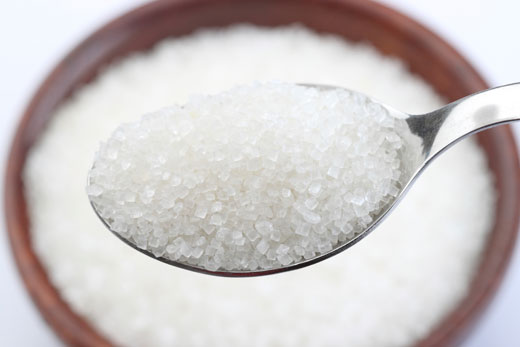
Cutting back on sugary foods could be the answer to reducing high obesity rates in the Bay of Plenty, according to health professionals.
Bay of Plenty District Health Board medical officer of health Neil de Wet says the Bay's obesity rates closely follow those stated in a recent report highlighting increasing rates of obesity worldwide.
Bay of Plenty District Health Board medical officer of health Neil de Wet says cutting back on sugary foods could be the answer to reducing high obesity rates in the Bay of Plenty.
The international report, published in ‘The Lancet', shows two-thirds of New Zealand adults are classified as overweight or obese, up from 50 per cent recorded 30 years ago to 66 per cent.
As result, NZ has seen the biggest increase in obesity rates among developed nations in the study – while Kiwi childhood obesity rates increased to 29 per cent from 18 per cent during the same three decades.
Neil says the Kiwi childhood obesity rate of 29 per cent is similar to the amount of obese or overweight children living in the Bay.
'The Bay of Plenty and Lakes area is probably quite similar to the rest of NZ with approximately 30 per cent of children being in the overweight and obese category. It's approximately 20 per cent overweight and another 10 per cent obese.”
Neil says one of Toi Te Ora Public Health's priorities is preventing childhood obesity, with an aim to reduce child obesity rates by one-third during the next 10 years.
One of the biggest changes during the last two decades is the type of high-sugar foods made readily available to residents, says Neil.
'We're definitely aware that one of the big issues is the amount of sugar we consume and not always being aware of how much we're consuming.
'You're just consuming a large amount of sugar for no nutritional gain.”
Becoming alert of sugary foods in everyday diets can help stop people gaining unwanted weight, particularly children, says Neil, who recommends cutting back on breakfast cereals, some tomato sauce brands and school lunchbox snacks containing as much as 35 per cent sugar.
'I think what's really important is trying to reduce that unnecessary sugar consumption.
'We try to focus on prevention and we want our children to grow up in an environment that supports a healthy weight,” says Neil.
'We want them to be in a home, [and] school environment where they have access to healthy food that isn't high in added sugars.”
In the long term, obesity is associated with many chronic diseases and conditions, says Neil.
The most obvious is diabetes, as well as high blood pressure and heart disease.
'It's an epidemic that's been developed over a number of decades – and I think it's going to take an equally long period of time to see a reduction. It's the challenge of the century for us.
'The fact that we have these reasonably high rates of being overweight and obese is a real concern, not only for those individuals who are affected – but also in terms of future ill health and the impact on the health system.”

3 comments
tax all sugar goods like the fags
Posted on 31-05-2014 13:40 | By dave4u
and don't forget beer and wine plus all fruit contains sugar ..tax that too. Ban breakfast and lunches unless its a lettuce leaf lets go really crazy.
The Flavour of Life
Posted on 31-05-2014 14:15 | By Disappointed
The simple reason we have a growing obesity problem is because people eat too much and do too little. Apportioning blame elsewhere is nothing more than a distraction from the truth.
Why are some fat and others not?
Posted on 01-06-2014 11:24 | By Annalist
We all eat food, but some choose to eat more food and others less food. Some choose big quantities of fast food, usually with a diet drink of course. Others choose mostly healthy food but with occasional treats. So don't blame the food, blame the people and in the case of kids, blame the parents. We don't need a fat tax, an obese tax would be better. Don't penalise everyone because some people don't have self control or responsibility. Tax the obese.
Leave a Comment
You must be logged in to make a comment.