


The first trapping results for fruit fly in Whangarei have shown no suspect flies detected.
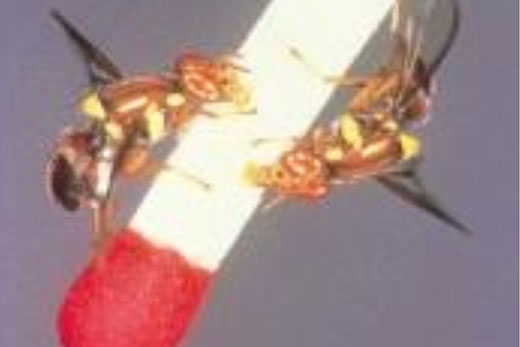
A single fruit fly, possible the biggest single insect bio-security threat to the kiwifruit industry, was collected from a trap on January 21 and formally identified on January 22.
Photo: file.
Since its identification, field work has continued to check whether the insect is solitary, or if there is w wider population in the area.
As of 8.30am today, there are 83 traps in the area closest to the original find (known as Zone A) and 162 traps have been deployed in the Zone B area which goes out to 1.5km from the detection. There are 92 amnesty bins in Zone A and 203 in Zone B.
MPI Deputy Director-General Compliance and Response Andrew Coleman says the findings are a good early result but it's important not to get complacent.
'We have still got a number of days to go before we know for sure whether there is a breeding population or not.”
Andrew says the Whangarei community has been hugely supportive and to date has placed 180kgs of restricted produce in bins in Zone A and 70kgs in Zone B.
'We are very appreciative of this support. It is vital that material that could contain the fly is not taken out of the zone, just in case there is a breeding population present in the area, which takes in Parihaka, Riverside and parts of central Whangarei.”
This insect is an unwanted and notifiable organism that could have serious consequences for New Zealand's horticultural industry. It can damage a wide range of fruit and vegetables.
Restricted produce includes all fruit and some vegetables. Leafy and root vegetables are not hosts for fruit fly and their movement is not restricted.
The key fruits and vegetables that should not be taken out of the Controlled Area are: citrus fruit, stone and pip fruit, tomatoes, capsicums and avocados.
Full information on the restrictions is at: www.mpi.govt.nz – and follow the fruit fly button.
The Ministry has a new online tool in place to assist local people work out if their property is inside or outside the Controlled Area.
This online tool, which enables people to enter their address and check, is at www.esam.co.nz/Fruitfly/
Garden rubbish- green waste- (particularly clippings from fruit trees, fallen fruit, tobacco weed and woolly nightshade) may contain fruit flies, should a population be present. Residents are asked to dispose of this material in amnesty bins rather than taking it to the Whangarei Weigh Transfer Station.
'Once again, MPI would like to thank the people of Whangarei for their co-operation in this response. Compliance with these restrictions is a critical precaution to protect our horticultural industries and home gardens,” says Andrew. 'It is likely the restrictions will be in place for at least a couple of weeks.”

0 comments
Leave a Comment
You must be logged in to make a comment.