


Fruit fly, possibly the biggest single insect bio-security threat to the kiwifruit industry, has been found in Whangarei, says the Ministry for Primary Industries.
The single fly was collected from a trap on Tuesday, January 21 and formally identified on Wednesday.
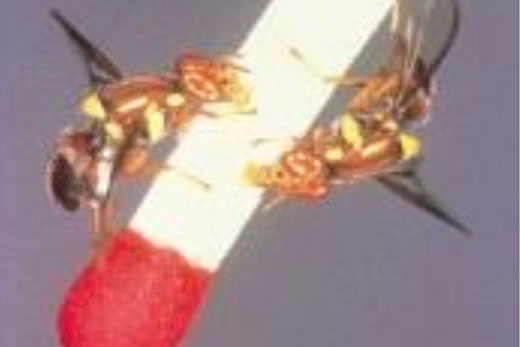
The Queensland fruit fly. Photo: Biosecurity NZ.
When fruit fly was discovered in Auckland in 1996, China shut its doors to New Zealand exports for two years.
An incursion in the Bay of Plenty would seriously impact on kiwifruit exports. SunMedia is currently contacting industry leaders for their reaction to the Whangarei find.
MPI Deputy Director General Compliance and Response, Andrew Coleman, says only the one male insect has been found.
'Queensland fruit fly has been detected three times before in New Zealand – in Whangarei in 1995 and in Auckland in 1996 and 2012. In all cases increased surveillance found no further sign of Queensland fruit fly.”
MPI has responded promptly and field teams will be starting to work in the Parahaki area near Whangarei's port. Teams are setting additional traps to determine if other fruit flies are present in the area.
'It is vital to find out if the insect is a solitary find or if there is a wider population in Whangarei.
'This insect is an unwanted and notifiable organism that could have serious consequences for New Zealand's horticultural industry. It can damage a wide range of fruit and vegetables.”
MPI is working closely with international partners and the horticultural industry to minimise the risk to New Zealand growers and exporters.
The Ministry will have a controlled area in place, which will likely restrict the movement of fruit and vegetables out of the defined area. MPI will publicly advise further detail of this shortly and will work closely with the local community.
Andrew says the most likely way that fruit fly can arrive in New Zealand is in fresh fruit and vegetables.
MPI has strict import requirements in place to minimise this risk. All plant material and fruit that can host the Queensland fruit fly can only be imported to New Zealand under the requirements of the relevant Import Health Standard. These standards define the approved pre-export treatment systems and certification requirements to manage the risk of fruit fly and other pests from entering and establishing in New Zealand. Air and sea passengers are prohibited from bringing fresh fruit and vegetables into the country.
MPI – and the former MAF – have to date been highly successful in keeping this insect threat out of New Zealand crops.
This latest find demonstrates the benefit and effectiveness of MPI's lure-based surveillance trapping network and the biosecurity system. The network involves some 7500 traps set nationwide and checked regularly.
'By setting traps for these pest insects, we are able to detect their presence early, have assurance about exactly where the problem is located and respond faster and more effectively where finds are made.”
Residents in the Whangarei port area may notice increased activity in their neighbourhood over the next few days as MPI staff go about their inspections and trapping. MPI asks that people support this work if inspectors seek permission to investigate trees on properties.
Information about the Queensland fruit fly is on the MPI biosecurity website at:http://www.biosecurity.govt.nz/pests/queensland-fruit-fly

1 comment
Triple the fines at airports
Posted on 24-01-2014 08:06 | By Adrian Muller
I think it is high time that MPI imposed some realistic fines on the constant stream of offenders (shown weekly on TV programmes like "Border Watch") who continue to bring fruit into the country. At present there is something like a $200 fine, yet this pest could cost us billions over the years if it was established here.
Leave a Comment
You must be logged in to make a comment.