


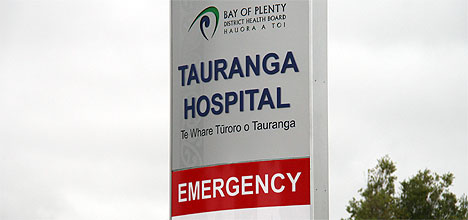
Patients at Tauranga Hospital are experiencing shorter stays in the emergency department, according to the latest health figures.
Figures released by the Ministry of Health show a 6.7 per cent increase in hospital ED referrals in the last 12 months.
Health target figures for the first 2013/14 quarter show people are spending less time in Tauranga Hospital's Emergency Department.
The first quarter figures for the months of July, August and September show the number of admissions has increased by 1096 - from 15,907 to 16,976 compared to the same quarter last year. This represents a 6.7 per cent increase in patients treated year-on-year.
The first quarter of 2013/14 figures also show the BOPDHB maintained a 90 per cent performance for admitting, discharged, or transferring patients from ED within six hours.
The national target is 95 per cent and BOPDHB is currently ranked 16 out of 20 DHBs in the country for performance. The organisation sits behind the West Coast on 100 per cent and South Canterbury on 97 per cent.
BOPDHB chief executive Phil Cammish is pleased they have been able to maintain swift referrals despite increasing number of patients accessing Tauranga and Whakatane EDs.
Another area to show strong vitals is an improving access to elective/planned surgery with the DHB recording 108 per cent performance – placing them 7th behind the Lakes District Health Board with 123 per cent.
Nationwide, the target is a total increase in the volume of elective surgery, across all DHBs, by at least 4000 discharges annually. Already DHBs are 1964 surgeries ahead of proposed targets after planning to deliver 38,629 for the year to date.
Phil says heart and diabetes checks also remain steady with 72 per cent of the eligible population receiving their cardiovascular risk assessments for the second consecutive quarter, and plans are already in place to increase efforts.
'The result is three per cent above the national average of 69 per cent. Plans are to take performance on to the 90 per cent target.”
But as a result of the rise in the national average, from 67 to 69 per cent, the Bay drops out of the top 10, from 10th to 11th with Wairarapa first with 82 per cent.
BOPDHB dropped one percent in the number of vaccinations from 89 to 88 per cent due to a 5 per cent jump in national immunisation targets.
The national immunisation target is now 90 per cent, up from 85 per cent last quarter, for eight-month-olds to have their primary course of immunisation at six weeks, three months and five months on time by July 2014.
'The BOPDHB is pleased to note the inequalities gap between Maori and non-Maori has reduced to one per cent as it continues to work towards this target.
'It is committed to further improving its performance to achieve against the new 90 per cent target by July 2014, while seeking to eliminate the inequalities gap.”
The DHB is looking to focus greater attention on the primary care tobacco targets after retaining a 95 per cent achievement for the number of patients who smoke to be seen by a health practitioner in public hospitals.
Phil says the BOPDHB will use the hospital's high performance in this area, to boost the number of patients who smoke to be given advice at primary healthcare practices outside the hospital setting.
At present 75 per cent of patients who smoke are being given advice and support to quit at general practices. This puts the BOPDHB in sixth place out of the 20 DHBs in this area.
Phil adds the DHB continues to meet the 100 per cent target for access to both radiotherapy and chemotherapy.

0 comments
Leave a Comment
You must be logged in to make a comment.