


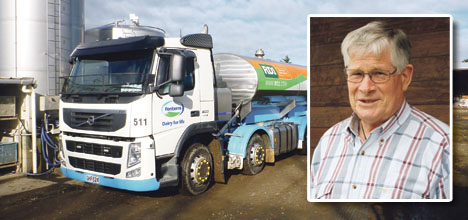
The process which led to the formation of Fonterra and resulted in significant savings for dairy farmers is a template which Local Government would do well to consider, says Garry Webber, Kaimai Ward councillor of the Western Bay of Plenty District Council.
The driver behind the move to form the dairy co-operative was the promise of efficiencies which would return an additional $450 million per annum to dairy farmers.
Garry believes amalgamation between the Tauranga and Western Bay of Plenty District councils could bring savings for ratepayers too.
'Currently, we have seven Bay of Plenty Regional councillors, 22 Western Bay of Plenty and Tauranga City councillors, two mayors and 20 community board members, serving a combined population of 160,000,” says Garry.
'There needs to be an independent report into whether or not amalgamation between Tauranga City and the Western Bay would bring efficiencies and savings for ratepayers.”
Garry believes, with local body elections over, now is an excellent time to debate the issue of amalgamation. He is in a unique position to make the comparison between restructuring in the dairy industry and local government – he has experience in both.
Alpine
He was CEO of Alpine Dairy Products Ltd, one of four dairy companies, which, in the late 1980s, met to chart a new course forward for the dairy industry. (The other companies were Northland Co-op Dairy Co, Tui Milk Products and Bay Milk). That move, in fact, marked the beginning of the end of his career in the New Zealand dairy industry.
'There was no way I was going to get the job of CEO of Fonterra, so I went to Japan to work in the dairy industry there.” However, Garry has no regrets that he and other CEOs and board chairmen were instrumental in the re-formed dairy industry structure because he says it needed to happen for the benefit of farmers.
Garry has been a Western Bay of Plenty District councillor for three years, who was recently re-elected for a second term; and he believes strongly that ratepayers could be receiving better value for money than they currently do.
The two councils have been working closer together in recent years – and there are natural synergies, especially in roading, water and waste water services. However, Garry accepts the concept isn't popular and there are concerns about some ratepayers having to take on the debt of others.
Independent
Only an independent report, which has access to all relevant financial information for each council for both operating and capital costs during the next 30 to 50 years, will be able to find out if those concerns are justified and where any risks may lie, says Garry.
However, even if such a report shows benefits for ratepayers, Garry says personalities and politics will play a role in attempting to stymie change, just as they did with Fonterra. (See Coast & Country July 2013 – page 25).
Some councillors will be concerned about their jobs, as will council staff. But Garry says, while combining the two councils would see fewer councillors and less staff, people who are good at what they do will find other employment and opportunities either in New Zealand or offshore – as was seen in the dairy industry.
The three-year term of councils also needs to be investigated, because it clouds thinking and discourages elected representatives from having the courage to make tough decisions, based on long-term benefits. Instead, they focus on short term gains which will see them re-elected, says Garry.
He is a fan of the SmartGrowth plan, which aims to be 'a cohesive sub-regional plan for managing the growth of the greater Western Bay during the next 50 years”; and he believes it should be part of a template for planning the future prosperity and affordability of the wider region.

0 comments
Leave a Comment
You must be logged in to make a comment.