


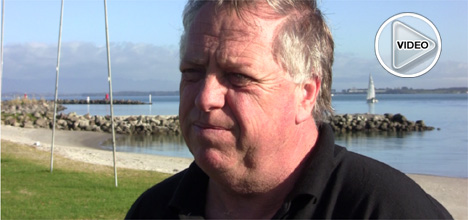
Passionate Bay of Plenty fishers are failing to take the bait on the Government's proposed snapper quota changes following a full public meeting last night.
About 250 people packed the Tauranga Yacht and Power Boat Club for a public meeting to explain the state of snapper stock in Bay waters and outline Government proposals to lower the recreational snapper fishing limits.
The meeting, organised by New Zealand Sport Fishing Council's fundraising advocacy arm LegaSea, comes after the Ministry for Primary Industries released a paper outlining three options for the Snapper 1 area that includes Bay of Plenty, Hauraki Gulf and East Northland.
One of the options in the proposed legislation is reducing snapper limits from nine to just three per person.
LegaSea strategist Scott Macindoe says it was an attentive turnout with issues summed up in two simple questions and resounding answers.
'‘Hands up those who will conserve fishing for increasing exports? - Not a hand in the room,” says Scott.
'‘Hands up those who are willing to conserve fish to provide for the reasonable foreseeable needs of future generations? Everyone.”
Scott says the proposals are one sided and pre-meditated, and the aim should be conserving snapper for future generations rather than see the conservation efforts of recreational fishermen swallowed up by commercial operations.
'We are rejecting all of the proposals. They are all based on squeezing the public into a quota which they call a proportion.”
Snapper 1 is New Zealand's most popular recreational fishery and is the country's fifth-most-valuable commercial fishery by asset value.
According to MPI, proposed recreational options include reducing bag limits from nine to three, increasing the minimum legal size from 27cm to 35cm, or opting for a combination of the two.
He says LegaSea will continue rejecting all proposals as it is not about sustainability, but sovereignty of the fish, which recreational fishers have been conserving for the last 15 years.
People who attended last night's meeting are encouraged to make a submission on the Ministry of Primary Industry's position paper by August 23 adding to the 14,000 strong response already recorded by LegaSea.
'This is an opportunity for people to come together and speak up. Be part of a growing voice for public interest.”

6 comments
got my vote
Posted on 07-08-2013 12:39 | By Johnney
I wish them well. Had a gutsful of all this us and them. The tribes have been paid out so they can move on now. How did NZ get Maori names for NI & SI when the Maoris were never united before Cook arrived. Each tribe would of had their own name. Anyone have an answer.
Pandering
Posted on 07-08-2013 14:57 | By Jitter
Pietro,I believe this giving in to "Maori" will only last as long as the political party in power need the Maori Party coalition support.
pietro
Posted on 07-08-2013 15:35 | By maildrop
Not sure what Cook, Maori & what the islands are called has to do with Snapper 1 fish stocks. Anyone have an answer?
Theodorus
Posted on 07-08-2013 23:07 | By Theodorus
If the Moriori,s were the first settlers here in Niew Zeeland as Abel Tasman named named it and they should be the most likely indidgenus people and the Maori,s owe them a lot of land and money and we do not owe the Maori, a Cent or any land!
wrong issue,wrong time
Posted on 08-08-2013 14:30 | By Aster
To Pietro,Theodorus could I respecfully suggest that you remove your heads from wherever you have them buried,and focus on the issue of restrictions on recreational fishers in Snapper 1. That issue has nothing to do with Maori,the Maori Party,or Morioris! All current and future recreational fishers in NZ are likely to be affected by this stupid proposal to limit catches. I am with LegaSea in rejecting the whole stupid proposal.
Forced out
Posted on 09-08-2013 10:32 | By YOGI BEAR
So the real game here is to shut out the public from fishing, that forces all to go and buy fish instead. The commercial fisherman are the ones that are catching the vast majority of fish so if there really is a conservation issue then they are the ones that need to reduce the catch and/or change what they are doing to ensure the life of the fishery.
Leave a Comment
You must be logged in to make a comment.