


More than 1400 burns injuries in the Bay of Plenty last year have prompted a renewed safety push as winter risks climb.
New data shows ACC accepted 1430 burns-related injury claims across the region in 2025, costing $2.2 million to support recovery. So far this year, 616 claims have already been accepted at a cost of $862,000.
The figures come as Burns Awareness Month highlights the personal and financial toll of preventable injuries, particularly those affecting young children.
Nationally, more than 20,000 burn-related claims were lodged in 2025, costing more than $40 million – the highest number since 2021 and the largest cost in the past five years.
In a statement, ACC injury prevention leader James Whitaker said many of these injuries happened in the home and could be avoided with simple precautions.
“A burns-related injury can have a lifelong impact,” Whitaker said.
“Most injuries are predictable and therefore preventable – we can reduce risk by taking a moment to think before acting.”
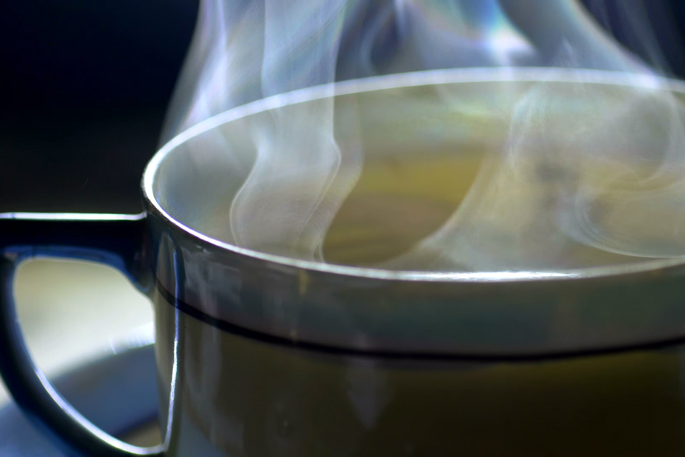
Hot drinks and hot water bottles are among the most common causes of winter burns, with emergency departments treating hundreds of cases each year.
Children aged under 5 are the most at risk, recording the highest number of burns claims nationally, at 2570 in 2025. These injuries alone cost more than $5 million.

ACC injury prevention leader James Whitaker. Photo / ACC
Whitaker said the figures are particularly concerning.
“It is a real concern to see very young kids are most likely to sustain burn injuries. When children experience serious burns, it can affect them throughout their lives.”
He’s urging parents and caregivers to keep hot drinks out of reach, test bath and bottle temperatures, and stay vigilant in busy areas such as kitchens.
National Burn Centre clinical nurse specialist Jackie Beaumont said the impact of serious burns can be devastating for families.
“It’s heartbreaking when a young child comes in with a severe burn injury. One moment can have lifelong consequences,” she said.
“We all live busy lives, and it is easy to get distracted, but most of these injuries can be prevented by slowing down and staying present.”
ACC said the message during Burns Awareness Month is simple: take a moment to think about hazards at home – particularly as colder weather brings more hot liquids, heaters and cooking hazards into use.
With hundreds of Bay of Plenty families already affected this year, officials are urging residents to take extra care to prevent avoidable harm.
ACC – burns claims by the numbers
– In 2025, ACC accepted more than 20,000 burns-related injury claims, which came at a cost of more than $40m to help people recover.
– The age group with the highest number of burns-related injuries was 0 – 4 years (2570), ahead of 35 – 39 (1495) and 30 – 34 (1476). The regions with the highest number of burns-related injury claims in 2025 were Auckland (7046), Canterbury (2448), Waikato (2195) and Wellington (1573).
– Claims were even for males and females.
– The most likely place to sustain a burn injury in 2025 was the home (15,416), ahead of a commercial or service location (1341), industrial place (685), school (617), and sports and recreation (486).
– The most likely cause of a burn injury was preparing food or drink (3195 claims), ahead of employment-related tasks (1092).
– The most common areas of the body affected were hand/wrist (5840,) lower leg (3224), and upper and lower arm (2740).
ACC tip for burns prevention
Hot drinks
– Keep kettles and their cords well out of the reach of children.
– Keep your cups well away from the edge of benches and tables – this can prevent children from being able to pull the drink upon themselves.
– Test drinks you give to children to make sure they’re warm, but not hot.
– Encourage children to be seated and still while enjoying their drink.
Hot water bottle-related burn prevention tips
– Never use freshly boiled water.
– If the water is too hot to touch or handle, it’s too hot to use.
– Make sure the bottle’s top is firmly closed.
– Use it to warm the bed, then remove before the person gets into bed.
– Use a cover or wrap the bottle in a towel before using – this will help prevent burns.
– Check your hot water bottles regularly for any splits or perishing – if damaged, get a new one.
– Replace your hot water bottle every two or three years if you can afford to.
– When buying a new one, choose one that has a safety stamp that looks a bit like a daisy.
– The stamp shows when it was made and helps you to know when it should be replaced.
What to do if injured
– If you do sustain a burn injury, put it under cool running water for 20 minutes.

0 comments
Leave a Comment
You must be logged in to make a comment.