


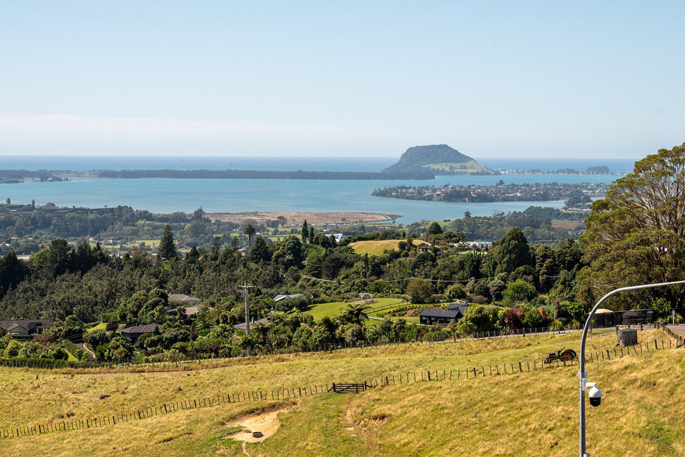
Residents across the Western Bay are being asked to weigh in on the future shape of local government.
Western Bay of Plenty District Council has released a discussion document outlining five possible reorganisation scenarios, from maintaining the status quo through to forming larger, combined councils.
The consultation centres on a fundamental question: whether the district should largely stay as it is, or join with neighbouring councils in the future.
Mayor James Denyer said the initiative comes as the Government signals significant change for the sector, including a push toward fewer, larger councils.
“Change is coming to local government. The current Government has made it clear it wants fewer councils, so this is our opportunity to explore what that could mean for Western Bay – and to make sure our community’s voice is part of that conversation,” Denyer said in a media release.
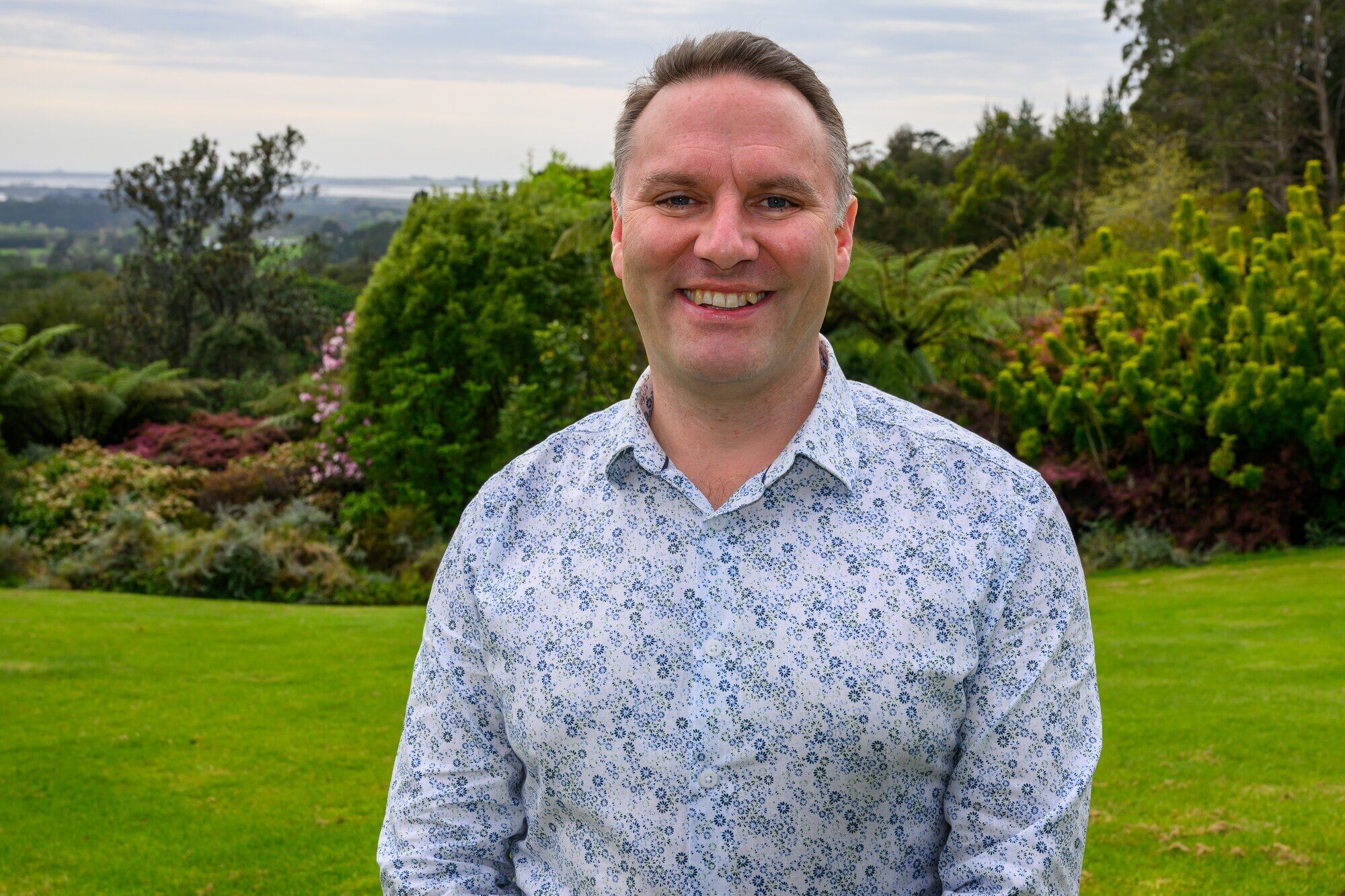
Western Bay of Plenty Mayor James Denyer. Photo / David Hall
The Government earlier announced a “Head Start” pathway for reform, encouraging councils to put forward reorganisation proposals by August 9.
If approved, those changes could be implemented before the 2028 local body elections.
Councils that opt out may instead be subject to a separate “Backstop” process, where the Government determines restructuring.
Denyer said the council had not settled on a preferred option.
“We’re keeping an open mind. There are a range of possible scenarios – from staying closer to home, to working with neighbouring councils at a larger scale – and each comes with opportunities and challenges. What matters most is understanding what our communities value.”
The five scenarios range in scale and structure. They include a single regional unitary authority covering the entire Bay of Plenty, a combined Western Bay–Tauranga authority, and a broader provincial model excluding Tauranga. Other options include splitting the district between neighbouring councils, or forming a standalone Western Bay unitary authority with some functions delivered collaboratively across the region.
While the standalone option falls outside the current Head Start criteria, it has been included to support longer-term decision making.
Denyer said each option involved trade-offs around representation, cost and how closely decisions reflect local needs.
“The future shape of local government will ultimately be determined by central government. Regardless of what direction is taken, our focus will remain the same: to act in the best interests of our communities and stand up for what matters most to Western Bay.”
The council acknowledged detailed financial analysis had not yet been completed because of tight timeframes, but said it would play a key role in assessing the options.
Public feedback is open until midnight on Sunday, June 14. Residents can contribute through an online survey, community workshops across the district, and a livestream session later this week.

2 comments
joining up
Posted on 26-05-2026 19:34 | By terminal
so where are the comments from long legs peace be with you brother
I dislike….
Posted on 27-05-2026 11:26 | By Shadow1
… the assumption that Central Government will decide the future shape of Local Government. Ratepayers are pretty much the entire population of NZ and they decide the future shape and makeup of Central Government as voters. Annoy voters at your peril Chris Bishop, you’ve already been moved sideways by your party leader and this policy has been passed to you for a reason.
The three month timetable is far too short for such a radical change, and is worthy of a referendum.
Shadow1
Leave a Comment
You must be logged in to make a comment.