


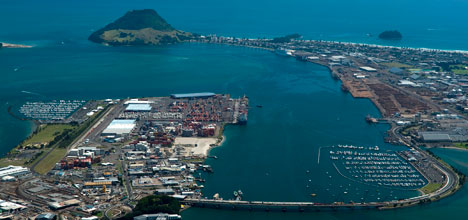
Iwi concerns about the environmental and ecological impacts of the next round of harbour dredging have resulted in a more in depth look at the issues.
The Ngaiterangi Rununga submission was one of about 90 that expressed concerns that deepening and widening the harbour channels will have a bad effect on the harbour's marine life.
The Port of Tauranga has been advised by major customers the port needs to be able to accommodate container ships in the 6000-7000 TEU (a measure of cargo volume) range as soon as practicable.
As a result PTL has lodged a resource consent application to widen and dredge harbour channels and sitting basins to 14.5 metres draught at all tides.
Of particular concern to the Ngaiterangi Rununga are pipi beds on the central bank and at Pane Pane point, says chief executive officer Brian Dickson.
'We have had meetings with the Port of Tauranga to discuss our concerns with them,” says Brian.
'We have come to an arrangement with the Port of Tauranga to undertake a cultural impact assessment and that way all the various hapu can raise their concerns about where it is to be dredged.”
While one of the biggest concerns was the immediate impact dredging will have on the shellfish beds, there may be ongoing effects as the shellfish beds are also an important food for harbour fishery.
'It is part of the whole food chain,” says Brian.
'Take out the one link of it and it has an effect right throughout the harbour.
'It is not just iwi and hapu that access the centre bank; it is everyone on the harbour.”
It is also possible that the changes in the width and depth of the commercial channels will affect the tides and currents in the harbour channels outside the commercial port area of the harbour.
'We want some work done on that as well,” says Brian.
'We have to weigh up the economic reasons against the long term environmental impact and the seafood resource and the effects on the harbour as a whole.
'That's where it sits at the moment.
'They are going to probably extend the time for submissions so we can complete our cultural impact assessment, then it will follow the normal process after that where it will go to a hearings committee.
'I think most of us indicated we want to be heard at that hearings committee,” says Brian.

0 comments
Leave a Comment
You must be logged in to make a comment.